Rome
Capital of Italy blending ancient ruins with vibrant modern culture
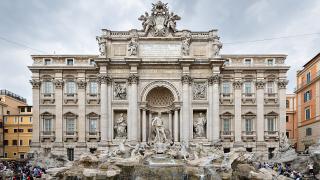
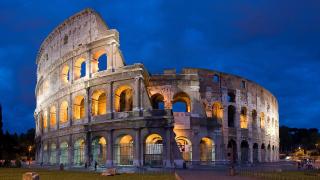
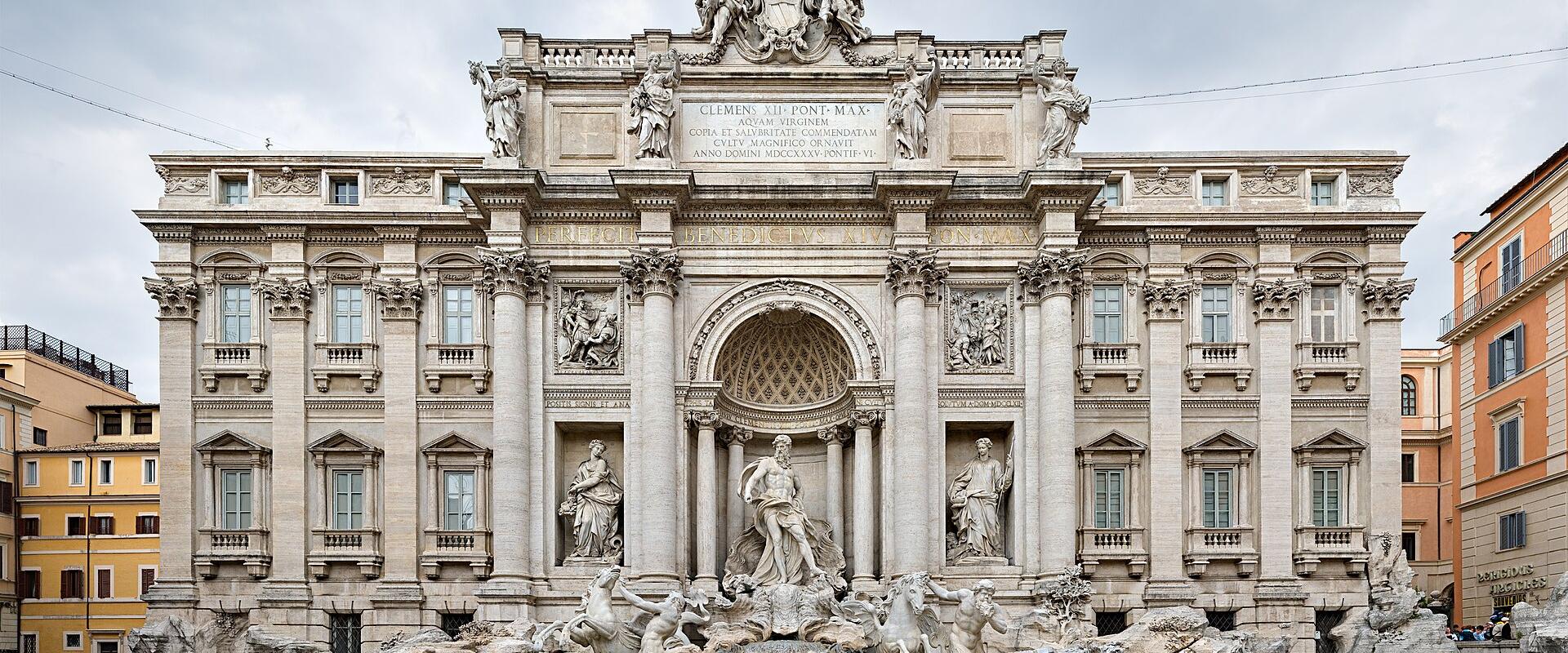
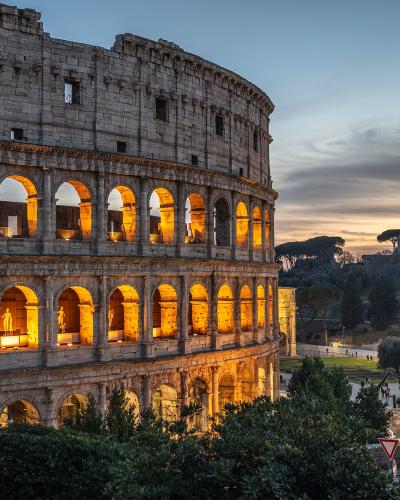
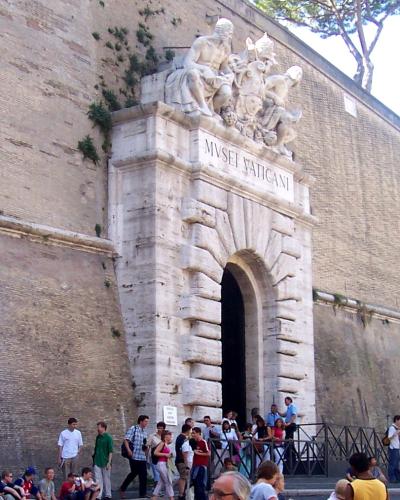
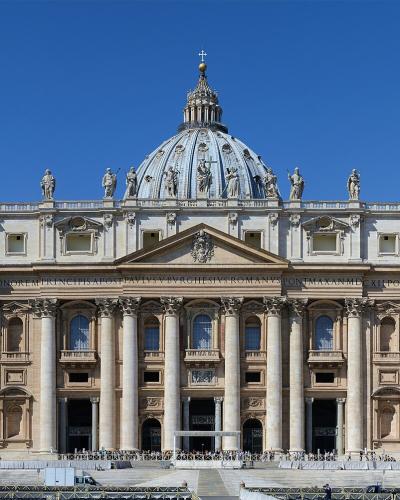
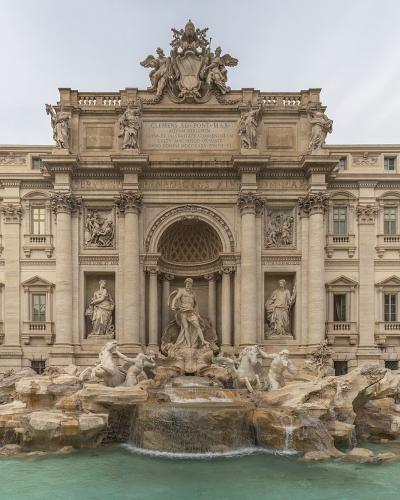
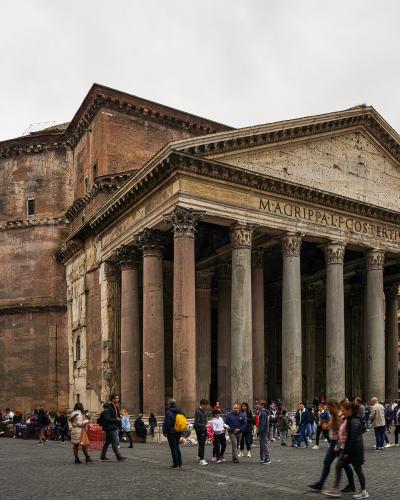
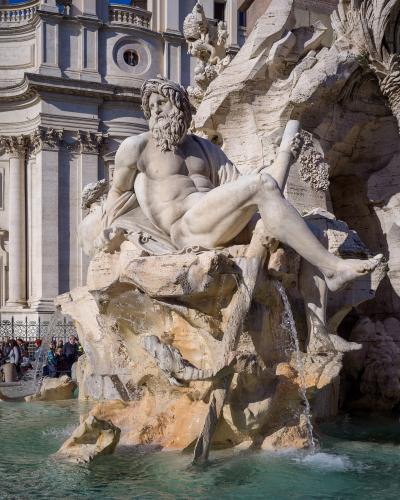
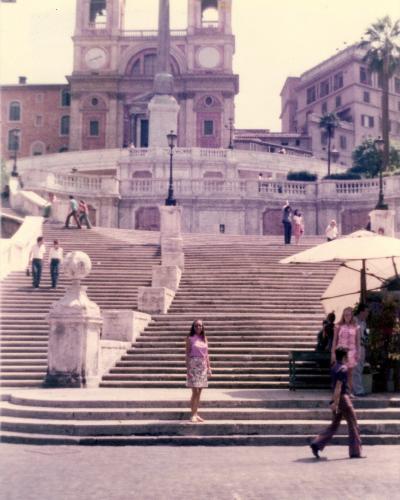
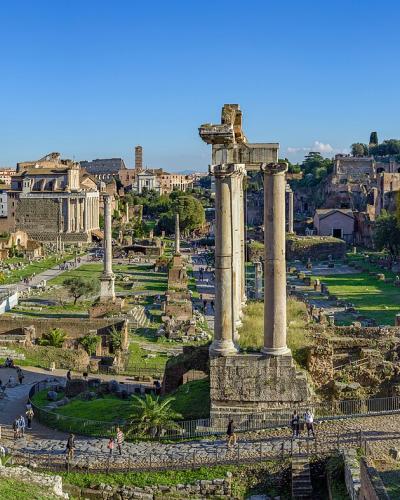
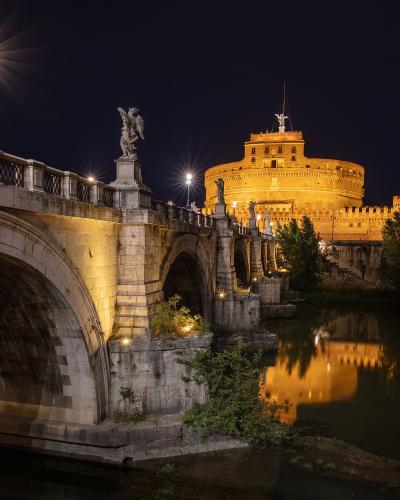
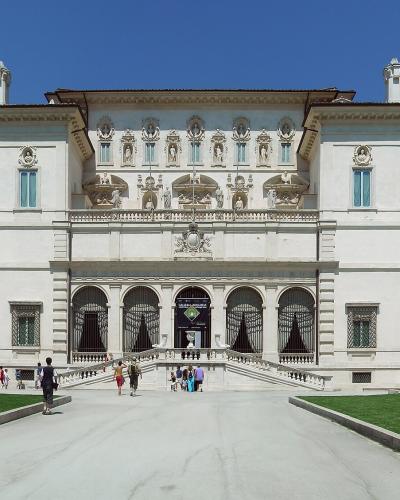
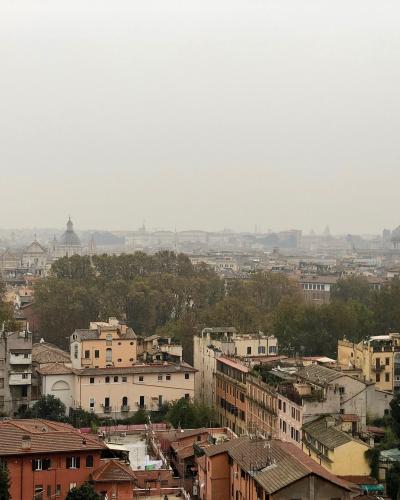
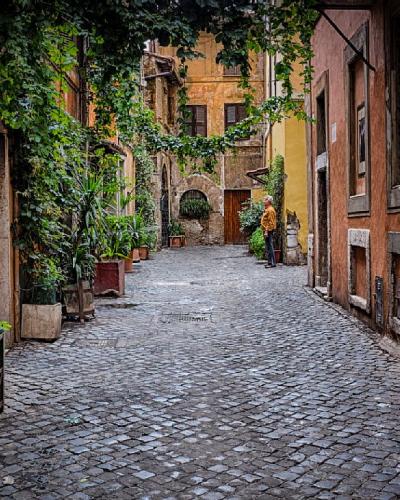
Rome, known as the Eternal City, is a destination where history is palpable in every street and structure. Traditionally founded in 753 BC, Rome grew from a small Italic settlement beside the Tiber River into the capital of a vast empire that defined Western civilization. The city's history is stratified, with layers of Roman, Medieval, Renaissance, and Baroque influences visible in its architecture. The ancient center, including the Roman Forum and the Palatine Hill, offers a glimpse into the political and social life of antiquity. The Colosseum, the largest amphitheater ever built, remains an iconic symbol of Imperial Rome, hosting gladiatorial contests and public spectacles. Beyond the ancient era, Rome became the center of the Catholic Church, with the Vatican City serving as the spiritual and administrative headquarters. St. Peter's Basilica and the Sistine Chapel, with Michelangelo's frescoes, are masterpieces of Renaissance art and architecture. The Pantheon, originally a Roman temple and later a church, is renowned for its massive unreinforced concrete dome and oculus. Other significant attractions include the Trevi Fountain, a Baroque masterpiece, and the Spanish Steps, a popular gathering place. The city's neighborhoods each have distinct characters; Trastevere, with its narrow cobblestone streets and medieval buildings, offers a bohemian atmosphere, while the historic center is dense with monuments. Activities in Rome range from historical tours and museum visits to culinary experiences. Food tours highlight local specialties like carbonara, cacio e pepe, and supplì. Visitors can also enjoy boat trips on the Tiber or day trips to nearby towns like Tivoli to see the Villa d'Este. Getting to Rome is straightforward via Fiumicino Airport (FCO) and Ciampino Airport (CIA), which offer international and domestic flights. The city is well-connected by rail, with Roma Termini being the main railway hub. Public transportation includes a metro system, buses, and trams, though walking is often the best way to explore the compact historic center. The best time to visit Rome is from April to June and September to October. During these months, the weather is mild and pleasant, with average temperatures ranging from 15°C to 25°C, making it ideal for sightseeing. Summer months can be extremely hot and crowded, while winter is cooler and wetter but offers fewer crowds. Avoiding peak summer allows for a more comfortable exploration of the city's outdoor sites and museums.
Best Time to Visit
Visit in April to June or September to October for mild temperatures and fewer crowds.
Did you know?
Interesting, verified facts about Rome
Roman Holiday Was Hepburn's American Screen Debut
Film & TVThe 1953 classic "Roman Holiday" was filmed entirely in Rome — on location among landmarks including the Spanish Steps and the Mouth of Truth, with studio interiors at Cinecittà — and a 1952 New York Times report called it the first Hollywood picture to be shot and processed in Italy. Audrey Hepburn, making her American screen debut after minor roles in European films, won the Best Actress Oscar for her performance as a runaway princess.
Source: AFI Catalog of Feature Films (American Film Institute)Rome Is Shaped by a River
HistoryLocated in the central-western portion of the Italian Peninsula along the Tiber River, it serves as the administrative center of the Metropolitan City of Rome.
Source: TiberRome Has Another Verifiable Detail
DiscoveryToday, it is a major tourism destination, drawing millions of visitors annually to witness its unparalleled archaeological sites, Renaissance art, and Baroque architecture.
Source: Baroque architecture - WikipediaPlan Your Visit to Rome
Essential travel tips and information for your trip to Rome.
Suggested Itineraries
Extended Rome Experience
3 daysThree-day Rome itinerary covering ancient sites and Vatican highlights
View ItineraryTravel Tips
Currency
EUR • Cards widely accepted
Language
Italian • English in tourist areas
WiFi
Free WiFi in cafes and hotels
Explore Rome by Interest
Discover attractions and experiences in Rome organized by your interests and travel preferences.
All attractions in Rome
Sorted by our recommendation score
Quick Facts
Book your stay
Frequently Asked Questions
More destinations in Lazio
Explore other amazing places in the Lazio region