Circuit Geography and Core Hubs
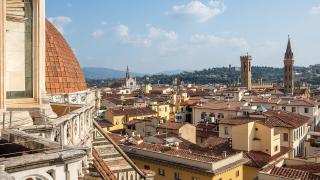
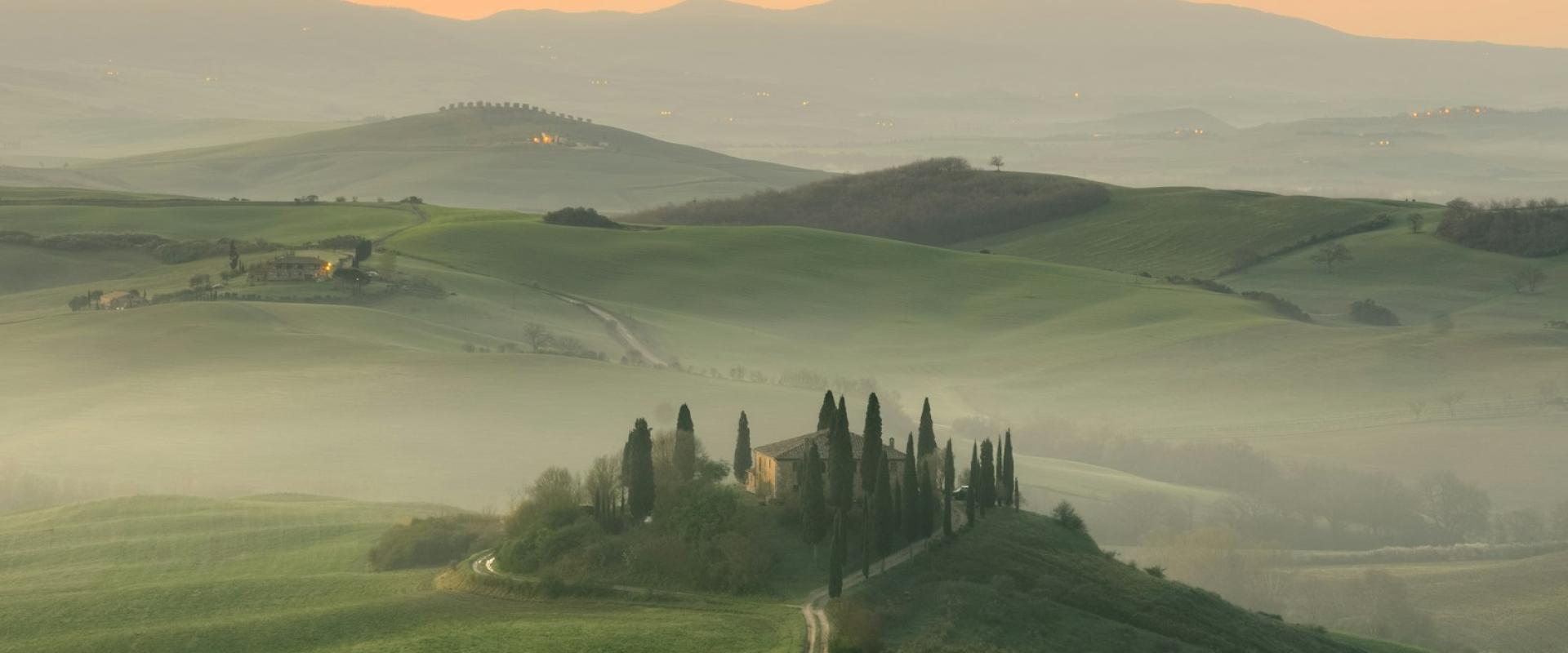
The Tuscany Wine and Art Circuit connects three primary Italian hubs: Florence, Siena, and Arezzo. Florence serves as the northern anchor, offering major Renaissance art collections. Siena acts as the central medieval core, bridging cultural heritage and viticulture. Arezzo provides an eastern gateway to historic Etruscan sites. The circuit links urban art centers with surrounding rural wine regions. Travelers move between museums in city centers and vineyards in the countryside. This dispersed geography requires strategic routing to maximize efficiency. Direct highways connect major hubs, but secondary roads access wine zones. Key wine locations include the Chianti Classico zone between Florence and Siena. Montalcino lies south of Siena, famous for Brunello production. Montepulciano sits southeast, known for its Vino Nobile. Distances between hubs range from 40 to 80 kilometers. Driving times typically span one to two hours. The circuit structure allows for integrated cultural and culinary experiences. Visitors can explore art in the morning and taste wine in the afternoon. This logistical framework defines the practical scope of the Italian journey.
Transportation Logistics and Routing
Private cars offer flexibility for the Tuscany Wine and Art Circuit. However, historic centers enforce ZTL zones. These restricted traffic areas prohibit unauthorized entry. Fines for violations are steep and frequent. Parking in Florence, Siena, and Arezzo is scarce. Drivers must use peripheral lots and shuttle buses. Public trains connect major hubs like Florence and Siena. Regional trains are affordable but infrequent in rural areas. Bus services to small wineries are limited. Schedules often do not align with tour hours. Self-driving requires careful route planning. Tour groups benefit from hired drivers. Professional drivers navigate ZTL rules and narrow roads. This option reduces stress and legal risks. It allows guests to focus on wine tasting. Private transfers provide door-to-door service between hubs. Costs are higher than public transit. However, they ensure timely arrivals. For complex itineraries, a driver is essential. Public transport works only for simple hub-to-hub travel. Rural wine routes demand private vehicles or guides. Always verify ZTL boundaries before entering cities. Parking fees in historic centers add up quickly. Plan extra time for parking searches. Drivers know the best rural roads. They avoid traffic and construction delays. This efficiency maximizes sightseeing time. Private transport is the recommended choice for this circuit.
Museum Access and Booking Protocols
Advance online booking is mandatory for major Florentine museums. The Uffizi Gallery and Accademia Gallery require timed entry slots. Visitors must reserve tickets weeks ahead. Walk-in access is rarely available. Premium wineries in Chianti Classico also demand reservations. Tastings at estates like Antinori or Frescobaldi need prior scheduling. Some venues close on Mondays. Others observe specific Italian holidays. Always verify current opening hours before travel. Coordinate museum and vineyard visits carefully. Florence and Siena are close but traffic varies. Plan transit time between sites to avoid conflicts. Book morning slots for popular art galleries. Afternoon slots often suit wine tastings better. This strategy prevents scheduling overlaps. It ensures a smooth circuit experience. Do not rely on same-day availability. Italian institutions enforce strict entry policies. Missing a slot may mean losing entry. Confirm all bookings via official websites. Use local Italian booking platforms when available. This approach minimizes wait times. It maximizes time for viewing art and wine.
Cost Structures and Budget Allocation
Accommodation costs vary significantly across Tuscany. Florence hotels command premium rates due to high demand. Rural agriturismos in Chianti offer lower nightly prices. These rural stays provide authentic local experiences. Transportation expenses depend on routing choices. Private car rentals incur fuel and toll fees. ZTL fines in historic centers add unexpected costs. Museum entry fees are substantial in major hubs. Uffizi and Accademia tickets require advance booking. Wine tasting fees range from ten to thirty euros. Many wineries waive fees with bottle purchases. Dining costs differ by location. City center restaurants charge higher prices. Local trattorias in smaller towns offer better value. Budget travelers should prioritize lunch menus. These fixed-price options provide significant savings. Allocate fifteen percent of the total budget for flexibility. This reserve covers unexpected transport changes or extended stays. It also handles incidental museum guide fees. Prioritize core art sites over optional activities. This strategy ensures essential experiences remain funded. Plan daily spending limits to avoid overspending. Track expenses using a simple digital ledger. This method maintains financial control throughout the circuit.
Seasonal Timing and Crowd Management
Peak season runs from June to August. High temperatures and large crowds define this period. Tourist numbers surge, causing congestion at major sites. Booking windows for museums open months in advance. Shoulder seasons in April-May and September-October offer mild weather. These months balance manageable crowds with pleasant conditions. The Chianti harvest occurs in September. This period attracts wine enthusiasts but increases local demand. Accommodation rates rise during these peak harvest weeks. Off-peak winter months see significantly lower visitor numbers. Many rural agriturismos reduce operating hours or close entirely. January and February offer the lowest accommodation rates. However, some smaller galleries may have limited opening days. Avoid major Italian holidays like Ferragosto in August. These dates cause widespread travel disruptions and higher prices. Advance reservations remain essential year-round for popular attractions. Strategic timing allows for better access to art collections. It also ensures more relaxed wine tasting experiences. Planning around local events prevents unexpected congestion.
Etiquette and Cultural Considerations
Museums enforce strict silence. Flash photography remains prohibited in most galleries. Visitors must maintain quiet voices in historic centers. Wine tastings require respectful engagement. Listen to sommelier explanations before asking questions. Do not rush the tasting process. Expect a structured, educational experience. Dining schedules differ significantly from other regions. Lunch typically occurs between 1:00 PM and 2:30 PM. Dinner starts no earlier than 8:00 PM. Many kitchens close between these hours. Religious sites demand modest attire. Cover shoulders and knees when entering churches. Remove hats inside sacred spaces. Environmental respect is mandatory. Littering in vineyards or historic squares incurs heavy fines. Do not pick grapes or flowers without permission. Respect private property boundaries in rural areas. Cultural sensitivity involves observing local rhythms. Avoid loud conversations in residential neighborhoods. Tuscany values tradition and order. Adhering to these norms ensures a respectful visit. Engage with locals using basic Italian phrases. This gesture demonstrates respect for the culture. Patience is essential during peak tourist seasons. Queues form quickly at major attractions. Follow all posted signage strictly. These guidelines preserve the region's heritage for future visitors.