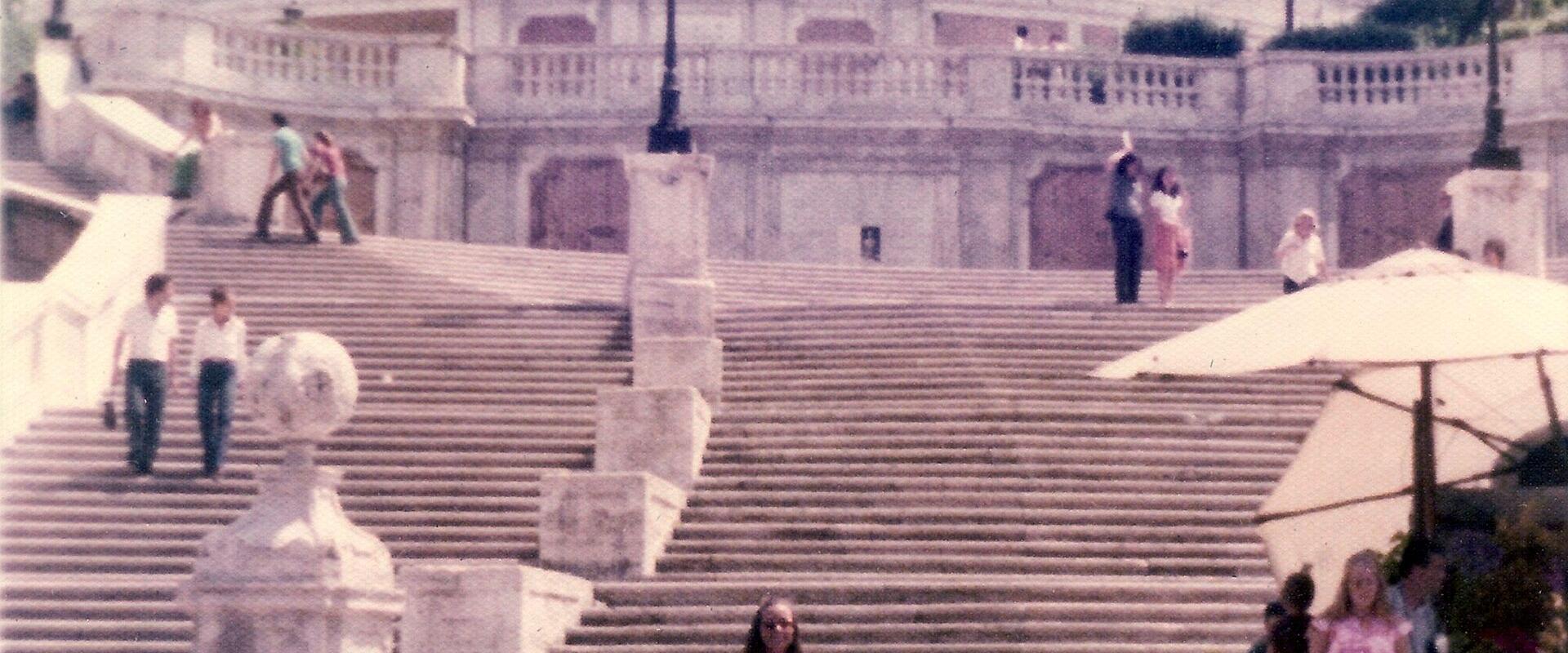
Spanish Steps
Baroque travertine steps, UNESCO site
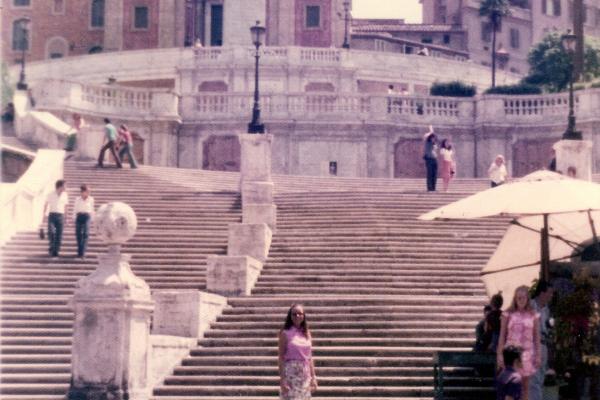
The Spanish Steps in Rome are a monumental Baroque stairway constructed between 1723 and 1725 using travertine stone. Designed by architects Francesco de Sanctis and Pietro Francesco Borromini, this landmark connects the Piazza di Spagna at the base with the Trinità dei Monti church at the top. As a UNESCO World Heritage Site, the steps are one of Rome’s most iconic symbols and a central meeting point for locals and tourists alike.
Access to the steps is free and open to the public at all times, with no ticket required. At the base of the staircase stands the Fontana della Barcaccia, a fountain designed by Pietro Bernini that resembles a ship sinking in water. Visitors often sit on the steps to people-watch, enjoy the view, or take photographs. However, recent regulations have restricted sitting on the steps during certain hours to preserve the monument, so travelers should check current local ordinances.
The area surrounding the steps is vibrant, featuring high-end boutiques, cafes, and the Keats-Shelley House Museum, which requires a separate admission fee. The Spanish Steps offer a tangible connection to Rome’s artistic and social history, serving as a stage for public gatherings and celebrations. The experience is enhanced by the architectural grandeur of the Trinità dei Monti church at the summit, which offers panoramic views of the city. For visitors, the steps provide a central hub for exploring the historic center, blending historical significance with everyday urban life.
Categories
More photos coming soon
Hours & Fees
Hours
No specific opening hours; access to the steps themselves requires no tickets or specific opening
Admission
Free admission
Nearby Attractions
Other places to visit in Rome
Frequently Asked Questions
Quick Facts
Best Time to Visit
Visit in April to June or September to October for mild temperatures and fewer crowds.