
Culinary Immersion Defined
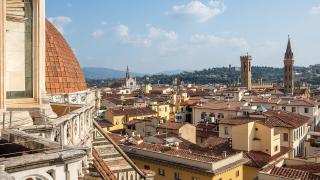
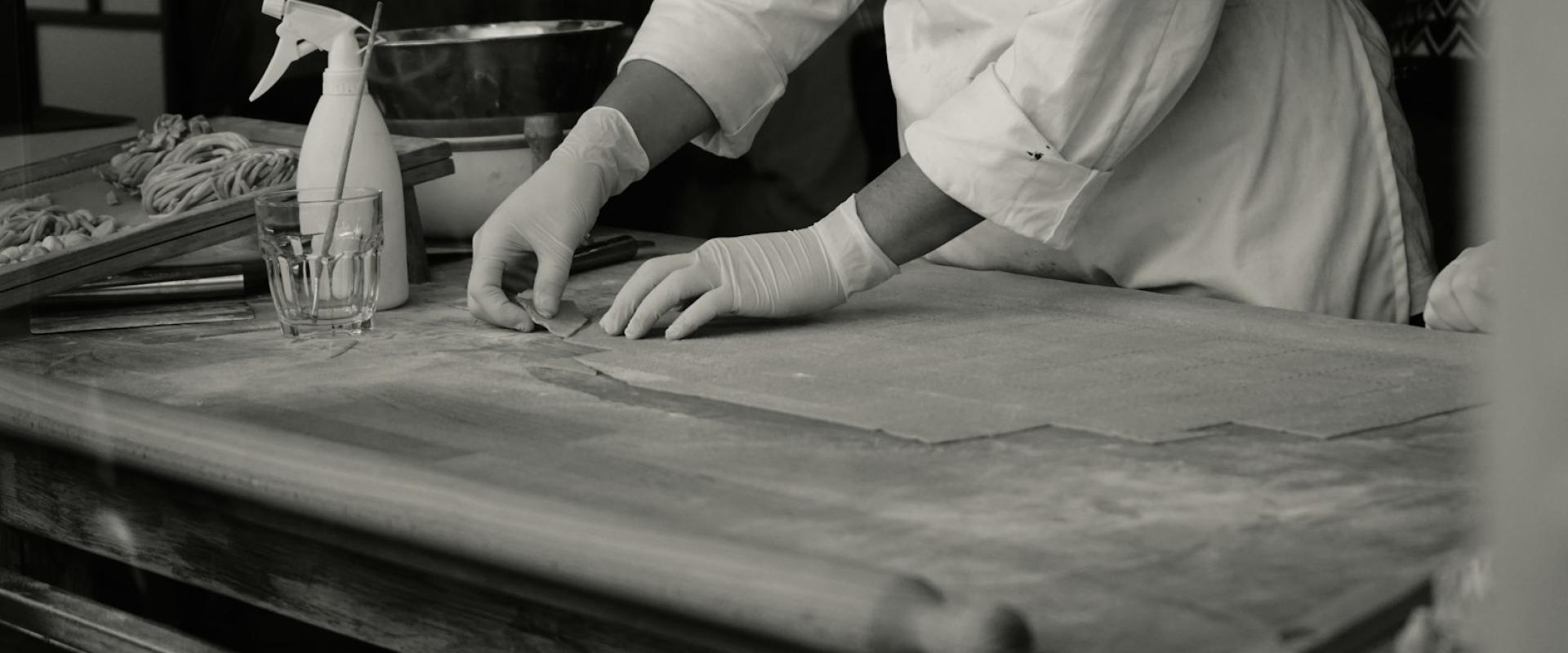
Food tours and cooking classes in Italy prioritize active participation over passive consumption. Participants learn regional techniques directly from local experts. This approach ensures deep cultural immersion through hands-on practice. Tours often focus on specific areas like Tuscany. Key locations include Florence, San Gimignano, and the Chianti region. Activities range from making pasta to preparing tiramisu. These experiences blend culinary skills with gourmet food and wine tastings. Multi-day formats allow for comprehensive exploration of local lifestyles. Options vary from three-day tours to week-long immersive programs. Self-drive choices offer flexibility for independent travelers. Seamless transportation connects iconic sites and cooking venues. Accommodations are typically charming and centrally located. This structure fosters genuine interaction with locals. It moves beyond standard tourist adaptations to authentic traditions. Participants engage in social rituals inherent to Italian dining. The focus remains on understanding ingredients and methods. This method provides a factual, practical view of Italian food culture. It emphasizes learning through direct experience and local guidance.
Regional Specializations
Northern Italy focuses on rich, butter-based dishes. Tours highlight risottos and truffle hunting in Piedmont. Classes teach complex sauce preparation techniques. Participants learn to make fresh pasta with cream. Central Italy emphasizes traditional pasta making. Tuscany offers wine pairing and cheese tasting. Cooking classes cover regional specialties like ribollita. Southern Italy centers on seafood and tomatoes. Tours explore coastal markets for fresh catch. Classes utilize ancient grains like farro. Ingredients reflect local agricultural geography. Culinary interests align with specific regions. Northern tours feature earthy, heavy flavors. Central experiences highlight olive oil and herbs. Southern lessons focus on bright, acidic profiles. Duration varies by region and activity. Prices depend on ingredient sourcing and location. Guides provide historical context for each dish. Participants engage directly with local producers. This structure ensures authentic regional exposure. Food tours connect travelers with local culture. Cooking classes preserve traditional culinary methods. Each region offers distinct gastronomic identities. Selection depends on preferred flavor profiles.
Operator Selection Guide
Select operators offering hands-on instruction from local chefs. Avoid generic guides who lack culinary expertise. Prioritize small group sizes for personalized attention. This ensures direct interaction with instructors. Verify direct partnerships with local producers. Authentic tours visit farms and markets directly. Check language options carefully. English-speaking classes are common in tourist hubs. Read recent reviews for service quality. Cooking Italy offers expert-led sessions in various regions. The International Kitchen provides multi-day vacation packages. Cooking Tours Italy focuses on Tuscan experiences. Their tours include transportation and accommodation. Prices vary by region and duration. Expect higher costs for private sessions. Short classes last two to three hours. Multi-day tours span three to seven days. Confirm ingredient sourcing before booking. Ensure menus reflect seasonal local produce. This guarantees an authentic Italian culinary experience.
Booking and Pricing Realities
Prices for authentic cooking classes in Italy vary significantly by region and operator. Basic pasta workshops in cities like Florence typically range from €80 to €150 per person. These sessions often include ingredients, wine, and a meal. Multi-day immersive tours in Tuscany cost considerably more. Packages covering three days or a full week can exceed €1,000. These all-inclusive options usually provide transportation, accommodation, and guided excursions to locations like San Gimignano or the Chianti region. Booking well in advance is essential. Popular operators like Cooking Italy and The International Kitchen fill slots quickly during peak seasons. Always verify what is included. Some tours charge extra for market visits or premium truffle hunting experiences. Check if transportation between sites like Florence and rural estates is covered. Hidden fees often appear for non-alcoholic beverages or optional wine tastings. Assess value by comparing inclusions. A €100 class with transport and a full meal offers better value than a cheaper option requiring separate travel arrangements. Prioritize operators with clear, transparent pricing structures to avoid unexpected costs during your culinary journey.
Smart Strategies for Success
Communicate dietary restrictions clearly when booking. Italian chefs appreciate advance notice for allergies. Confirm menu adjustments before arrival. Wear comfortable, closed-toe shoes for kitchen safety. Avoid loose clothing near open flames. Engage actively with the instructor. Ask questions about regional techniques. Support local businesses by purchasing ingredients locally. Visit markets before tours. This boosts the local economy. Participate fully in hands-on activities. Do not just observe. Document your experience with photos. Capture the final dishes. Share these images responsibly. Respect kitchen hygiene rules. Follow all safety instructions strictly. This ensures a smooth experience. Focus on learning authentic methods. This maximizes the educational value. Prioritize interaction with local guides. This provides deeper cultural insight. Ensure you understand the itinerary. Clarify transportation details beforehand. This prevents logistical confusion. Stay hydrated during hot days. Drink water between tastings. This maintains energy levels. Respect the pace of the class. Do not rush the cooking process. Enjoy the traditional Italian approach to food preparation.