







- Where
- Rome, Lazio
- Directions
- Directions
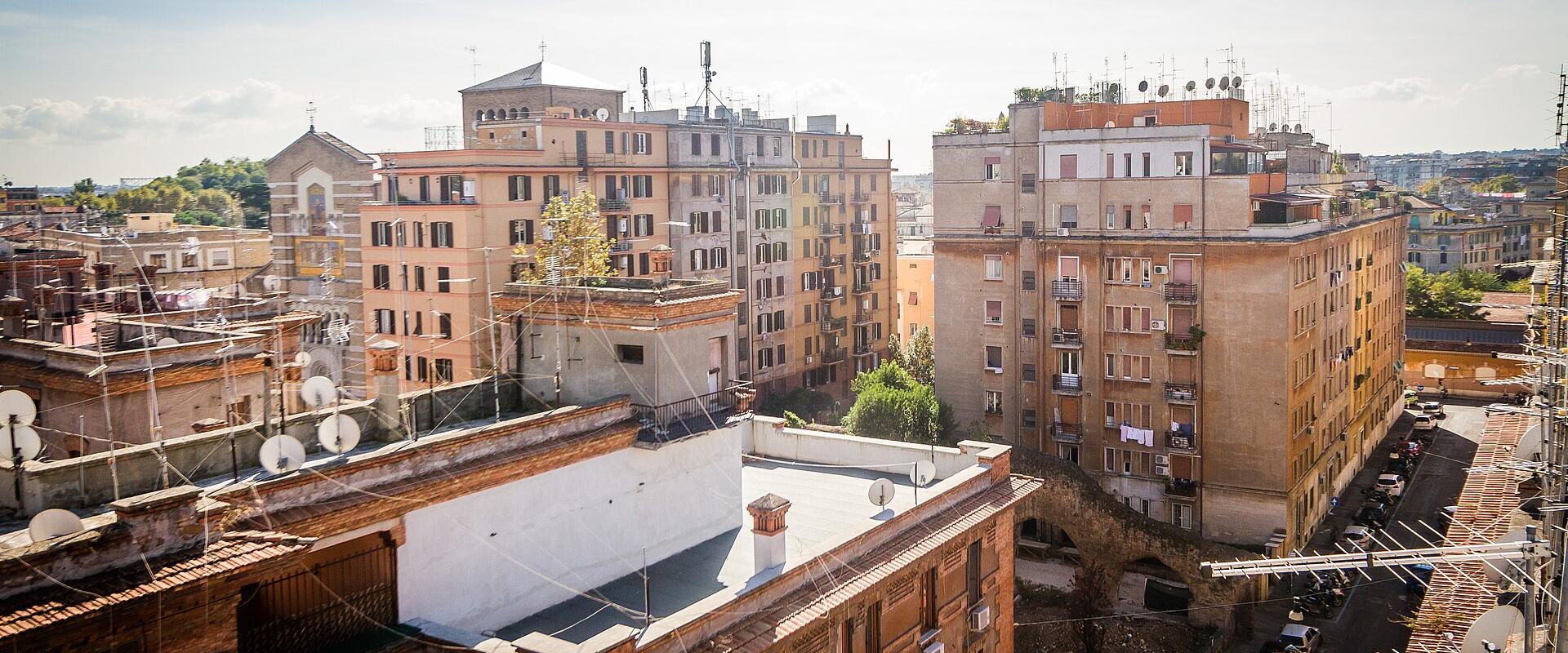
Testaccio is the Rome that Romans still live in. The neighbourhood lies south of the Aventine Hill, close to the Tiber, and was laid out in the late nineteenth century as a working-class district for workers at the slaughterhouse and the river port. Its grid of straight streets and apartment blocks feels very different from the winding lanes of the centre, and the area keeps a neighbourly, unpolished character that many visitors find refreshing after the crowds around the Colosseum and the Pantheon.
The name comes from Monte Testaccio, the artificial hill of broken amphorae that gives the quarter its identity. The Monte dei Cocci, the mountain of shards, grew over several centuries in Roman times from discarded clay jars that had carried olive oil to the city's nearby river port. It is a remarkable piece of Roman waste management, and you can walk the hill or look at the exposed layers of pottery on its flank. Nearby, the Pyramid of Cestius, a steep marble tomb built in the first century BC in the Egyptian style, rises beside the city wall, and the Non-Catholic Cemetery beside it holds the graves of poets such as Keats and Shelley.
The former slaughterhouse, the Mattatoio, has been converted into a cultural space that hosts contemporary art and events, and the district's street art, murals on apartment blocks and along the river, adds colour. Football history lives here too: the early home of AS Roma was in Testaccio, and the local spirit of the club remains strong.
Food is the main reason to come. The quarter's cooking grew from the slaughterhouse trade, when workers were paid partly in the cheaper cuts known as the quinto quarto, the fifth quarter. That is the origin of classic Roman dishes such as coda alla vaccinara, oxtail stew, and trippa alla romana. The market, with stalls selling produce, cheese and cured meats, is busy in the morning, while restaurants and trattorie fill in the evening.
The area is easy to reach by metro, tram and bus, and walking on from here you can head up the Aventine or across to Trastevere, with the Roman Forum and the Colosseum not far away. Testaccio suits food lovers, repeat visitors and anyone who wants to see a living neighbourhood. Come hungry, ideally at lunchtime or after dark, and allow time to wander the quiet streets.
Categories
More photos coming soon
Nearby Attractions
Other places to visit in Rome
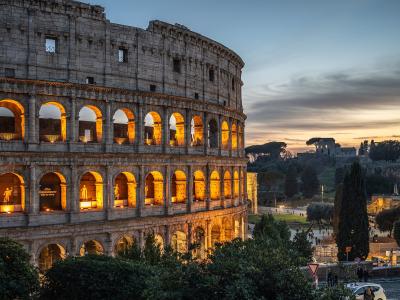
The Colosseum
Largest ancient amphitheater, built 70-80 AD
Ancient Ruins · Architectural Monuments
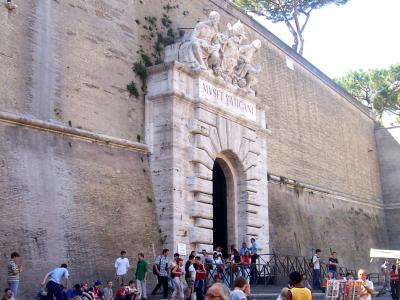
Vatican Museums
Papal museums housing Renaissance masterpieces
From €5 History & Heritage · Museums & Culture
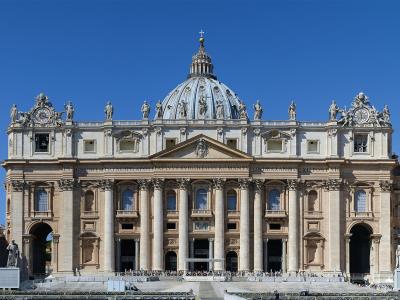
Vatican City (St. Peter's Basilica)
Renaissance basilica on Saint Peter's burial site
Architectural Monuments · Art Museums
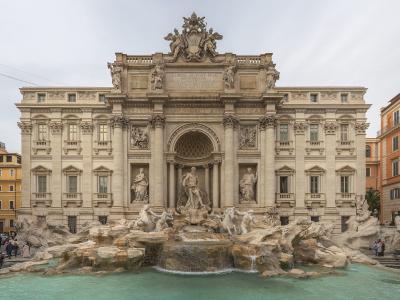
Trevi Fountain
18th-century Baroque fountain in Rome
From €2 Architectural Monuments · Historic Fountains
Questions people ask
Quick Facts
Best Time to Visit
Visit in April to June or September to October for mild temperatures and fewer crowds.