







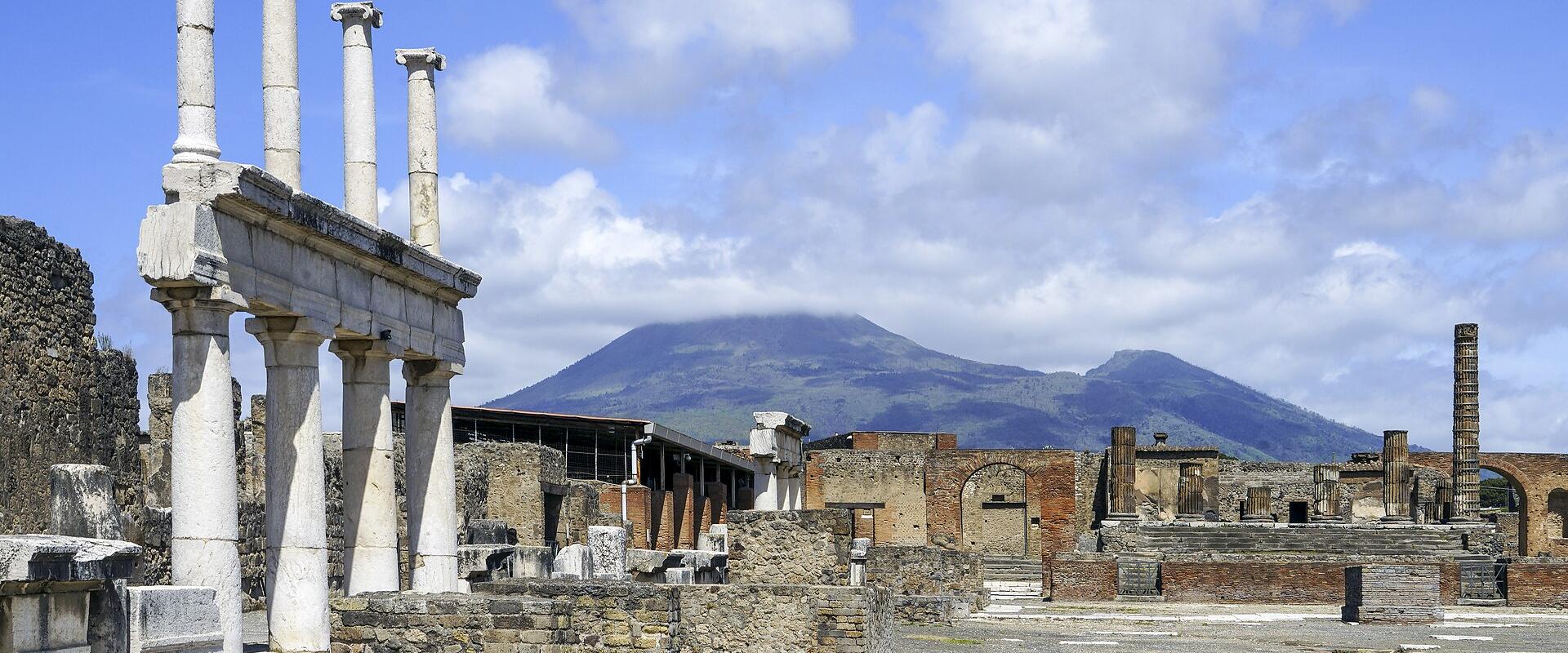
Pompeii
The Roman city buried by Vesuvius, and the pilgrimage town that grew beside it
Ancient Pompeii was a prosperous town near the mouth of the Sarno river, on the Bay of Naples. Founded by the Oscans and later influenced by Greeks and Samnites, it became a Roman colony in 80 BC. By the 1st century AD it was a busy commercial centre with paved streets, public baths, temples, two theatres, an amphitheatre and hundreds of shops, workshops and houses, many of them richly decorated. In AD 62 an earthquake damaged much of the city, and repairs were still under way when Vesuvius erupted in AD 79.
The eruption buried Pompeii under several metres of pumice and ash, while Herculaneum, on the other side of the volcano, was engulfed by pyroclastic flows. The event was described by Pliny the Younger, whose uncle, Pliny the Elder, died while trying to rescue people by sea. Pompeii's location was forgotten for centuries until systematic excavations began in 1748 under the Bourbon kings of Naples. In the 19th century the archaeologist Giuseppe Fiorelli developed the technique of pouring plaster into the cavities left by bodies in the ash, creating the haunting casts of victims that are among the most moving sights of the site. Excavations and research continue today, and large parts of the city remain unexcavated.
A visit to the Pompeii Archaeological Park usually starts at the Porta Marina entrance or at the Piazza Anfiteatro entrance. Highlights include the Forum, surrounded by the Basilica and the Temple of Apollo and Jupiter; the Stabian Baths; the Lupanar; bakeries with millstones and ovens; the House of the Faun, one of the largest private houses; the House of the Vettii with its frescoes; the Via dell'Abbondanza, the main street lined with shops and inscriptions; the Large Theatre and Odeon; and the amphitheatre, one of the oldest surviving Roman amphitheatres. The Garden of the Fugitives preserves casts of a group of victims. The site is large, uneven and has little shade, so comfortable shoes, water and a hat are essential, and most visitors need at least half a day.
Just outside the city walls, beyond the Herculaneum Gate, the Villa of the Mysteries is famous for its cycle of large frescoes on a deep red background, thought to depict a ritual connected with the cult of Dionysus. It is part of the archaeological park and can be included in the same visit. Many of the finest mosaics, paintings and objects found at Pompeii, including the Alexander Mosaic from the House of the Faun, are displayed at the National Archaeological Museum in Naples, which makes a natural complement to the site.
The modern town of Pompei has a character of its own. Its centre is the Sanctuary of the Blessed Virgin of the Rosary, a large basilica begun in 1876 by the lawyer Bartolo Longo, who also founded orphanages and charitable institutions around it. The shrine, with its venerated image of Our Lady of the Rosary and its tall bell tower, draws large crowds of pilgrims, especially for the Supplica, the solemn prayer recited on 8 May and on the first Sunday in October. The main square in front of the sanctuary is lined with cafés, hotels and restaurants.
The archaeological sites around Vesuvius are all linked by the Circumvesuviana railway between Naples and Sorrento. The Pompei Scavi - Villa dei Misteri station is next to the main entrance of the ruins, and the same line has stops for Herculaneum at Ercolano Scavi and for the Villa of Poppaea at Torre Annunziata, making it easy to combine several sites. Pompei also has a mainline station, and buses run from the town up the slopes of Vesuvius. From Pompei, Sorrento and the Amalfi Coast are within easy reach, as is Naples with its historic centre and museums.
Best time to visit
April to early June and late September to October offer pleasant temperatures for walking the ruins; summer is very hot with little shade, so start early in the day.
What to see in Pompeii
Our picks first.
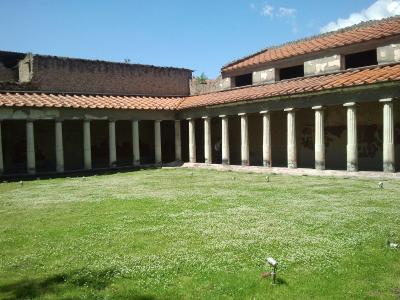
Parco Archeologico di Oplonti
1st-century Roman villas buried by Vesuvius
Ancient Ruins · Archaeological Museums
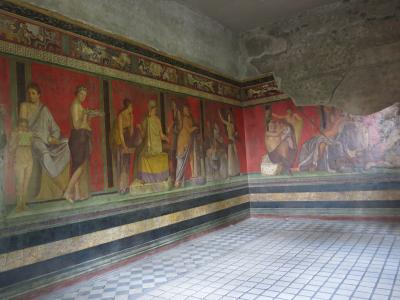
Villa of the Mysteries (Villa dei Misteri)
The great Dionysian frescoes outside the walls of Pompeii
Ancient Ruins · Archaeological Museums
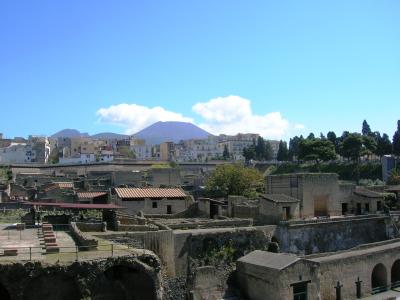
Herculaneum Archaeological Park (Ercolano)
The best-preserved Roman town buried by Vesuvius
Ancient Ruins · Archaeological Museums
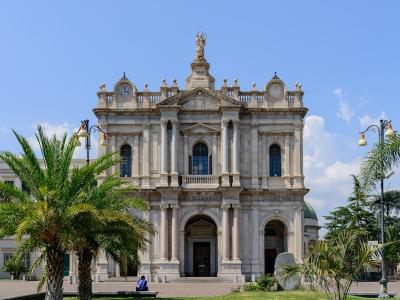
Sanctuary of the Blessed Virgin of the Rosary of Pompei
The great Marian shrine at the heart of modern Pompei
Free Architectural Monuments · Historic Churches
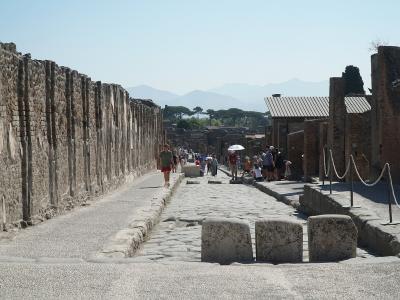
Pompeii Archaeological Park
The Roman city frozen in time by the eruption of Vesuvius
Ancient Ruins · Archaeological Museums
Pompeii by interest
The same sights, grouped by what you came for.
- Ancient Ruins
- Parco Archeologico di Oplonti Villa of the Mysteries (Villa dei Misteri) Herculaneum Archaeological Park (Ercolano) Pompeii Archaeological Park
- Archaeological Museums
- Parco Archeologico di Oplonti Villa of the Mysteries (Villa dei Misteri) Herculaneum Archaeological Park (Ercolano) Pompeii Archaeological Park
Planning a visit to Pompeii
Good to know
- Currency
- EUR
- Language
- Italian
Quick Facts
Book your stay
Questions people ask
More places in Campania and Amalfi Coast
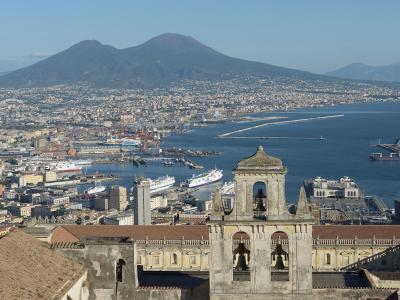
Campania and Amalfi Coast
Naples
Vibrant Neapolitan city with UNESCO heritage, pizza origins, and Vesuvius views
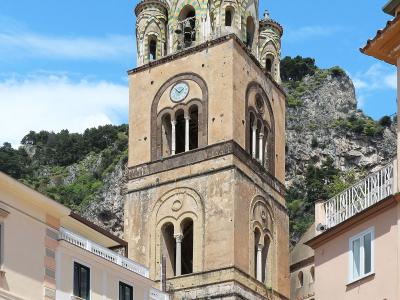
Campania and Amalfi Coast
Amalfi
Historic maritime republic on the Amalfi Coast with dramatic cliffs
Campania and Amalfi Coast
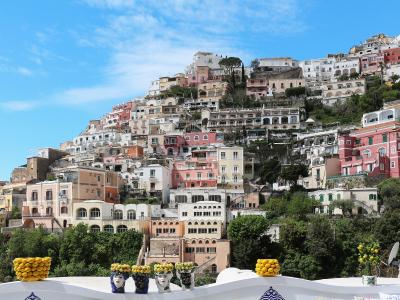
Positano
Iconic Amalfi Coast village with cascading pastel buildings and cliffs
Campania and Amalfi Coast
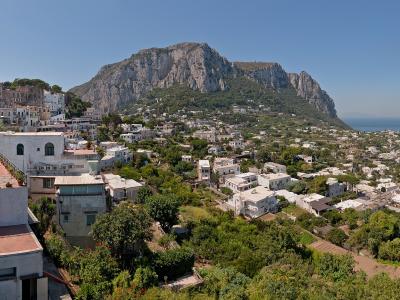
Capri
Iconic Italian island with Blue Grotto, dramatic cliffs, and luxury resorts