


Geographic Context and Logistics
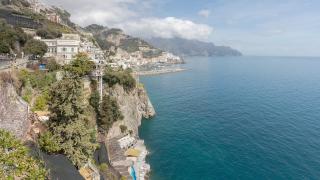
The Amalfi Coast is a linear UNESCO World Heritage site in the Salerno province. It features dramatic cliffs and colorful fishing villages along the southern Italian coast. Key towns include Amalfi, Positano, and Ravello. Amalfi hosts the 11th-century Cathedral of the Assumption. Positano is known for its steep, picturesque streets. Ravello sits above Amalfi with terraced gardens. This geographic reality creates significant logistical constraints. Narrow roads and steep terrain limit vehicle access. Infrastructure development is strictly managed due to heritage status. Visitors must plan transportation carefully around these physical limits.
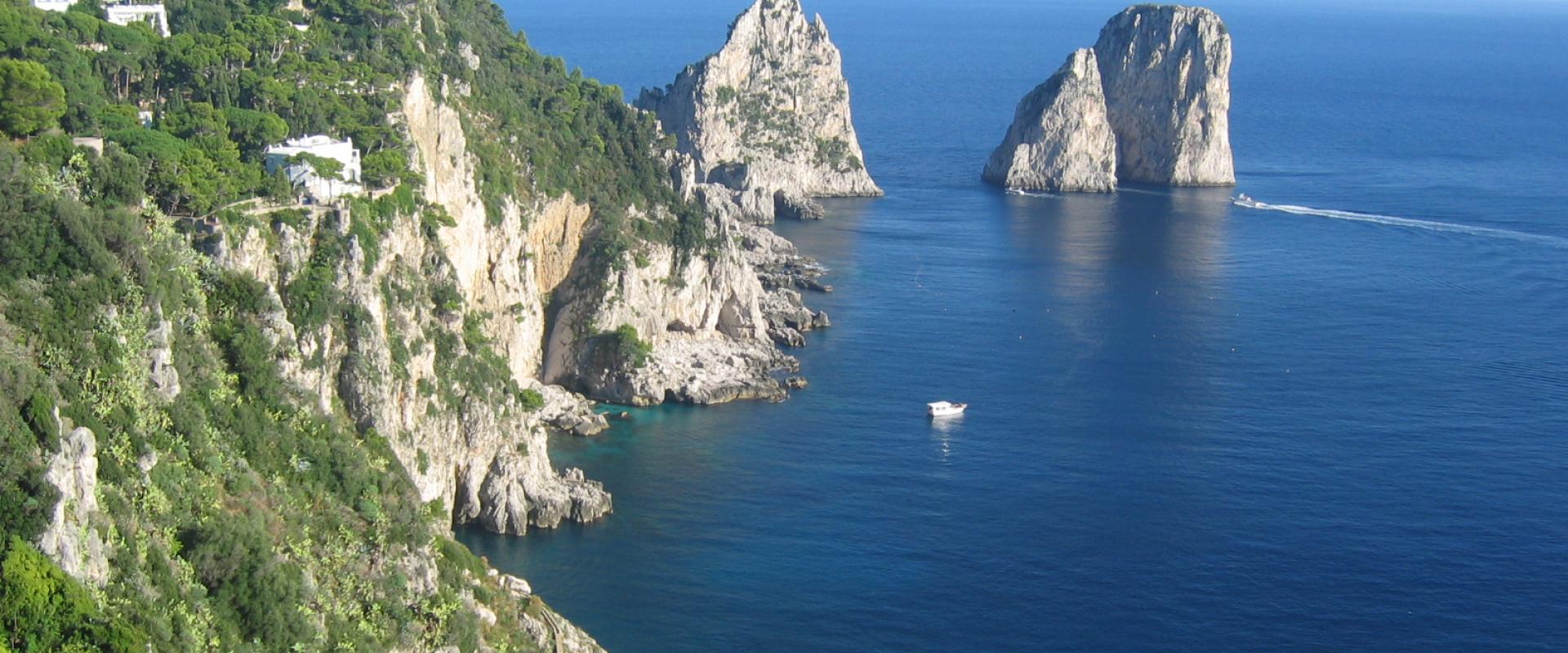
Capri is a distinct island in the Bay of Naples. It requires ferry or hydrofoil transport from the mainland. This separation creates a clear logistical divide from the coast. Travelers must account for separate ticketing and schedules for island access. The island’s terrain is also rugged and hilly. Public buses connect major points, but walking remains common. The proximity to Sorrento allows for day trips. However, the island operates as a separate logistical unit. Planning requires understanding the difference between mainland coastal travel and island transit. Both regions demand advance booking during peak seasons. The UNESCO designation ensures preservation but restricts new infrastructure. This maintains the area’s charm while complicating modern travel needs. Understanding these geographic and regulatory factors is essential for a smooth itinerary.
Transportation Networks and Schedules
Ferries serve as the primary connector between Sorrento, Capri, and coastal towns. This maritime route bypasses congested roads effectively. Operators run frequent services during peak tourist seasons. Travel times vary based on weather and sea conditions. SITA Sud bus networks provide essential mainland travel utility. These buses connect Sorrento to Positano, Amalfi, and Ravello. However, the network faces significant limitations due to narrow roads. Schedules are less frequent in winter months. Capri-specific transit relies on funiculars and local buses. The funicular connects Marina Grande to the upper town efficiently. Local buses navigate the island’s steep terrain. Taxi services are available but strictly regulated. Private cars are impractical in historic centers. Parking is extremely limited and expensive in Sorrento and Amalfi. Visitors should leave vehicles in designated lots outside town centers. The Amalfi Coast lacks extensive highway infrastructure. Most travel occurs via coastal roads or sea routes. Ferries offer scenic views while reducing traffic stress. Bus tickets can be purchased at tabacchi shops. Always verify current timetables before travel, as schedules change seasonally. The combination of ferry and bus systems forms the core transport strategy. Cars are generally unnecessary for exploring the main destinations. Public transport requires patience during high summer months. Plan extra time for connections between towns.
Accommodation Zones and Booking Strategies
Positano offers picturesque streets and colorful buildings. It serves as a premium hub for luxury travelers. Amalfi is the largest town in the province. It features the 11th-century Cathedral of the Assumption. Ravello sits above Amalfi with terraced gardens. This location provides scenic views and quiet stays. Capri island hosts high-end boutique hotels. Anacapri offers a more relaxed, alternative base. These areas differ significantly in price and atmosphere. Boutique hotels dominate the region’s accommodation landscape. Chain hotels are rare due to geographic constraints. Advance booking is critical for peak seasons. Prices fluctuate heavily between summer and winter months. Sorrento serves as a practical budget alternative. It offers better transport links to the coast. Travelers can stay in Sorrento for convenience. Ferries connect Sorrento to Capri and coastal towns. This strategy reduces accommodation costs significantly. Local cuisine includes seafood and pasta al limone. Dining options vary by town size and prestige. Book accommodations months ahead for July and August. Last-minute availability is scarce in popular zones. Consider Anacapri for lower rates on Capri. Sorrento provides easier access for day trips. Plan stays based on desired activity levels. Luxury stays require early reservation and higher budgets. Budget options exist in larger towns like Amalfi. Ravello appeals to visitors seeking tranquility. Positano attracts those wanting vibrant street life. Each zone offers distinct logistical advantages. Choose based on budget and transport needs.
Seasonal Constraints and Itinerary Optimization
High season runs from June to August. Ferries operate on frequent schedules. Roads remain congested daily. Shoulder seasons in May and September offer balanced weather. Ferry services reduce frequency slightly. Road traffic decreases significantly. Low season spans November to March. Many coastal restaurants close permanently. Ferry routes to Capri become limited. Weather impacts accessibility directly. Heavy rain blocks cliffside roads. Strong winds cancel maritime departures. Plan itineraries to manage these disruptions. Sequence visits from Sorrento to Positano. This direction avoids headwinds on ferries. Book key activities two weeks ahead. Buffer days prevent schedule collapse. Use buffer days for weather delays. Prioritize morning departures for Capri. Ferries leave Sorrento early. This avoids peak crowd density. Visit Ravello in late afternoon. Gardens remain open despite heat. Avoid midday sun in Positano. Streets become impassable with crowds. Check timetables daily in winter. Schedules change with demand. Book accommodations in Amalfi town. It offers reliable transport links. Capri requires advance ferry tickets. Prices rise during peak months. Plan meals away from main squares. Local zuppa di pesce is available year-round in Amalfi. Pasta al limone is a staple. These dishes define the region. They are served in most towns. Timing affects your experience. Early bookings secure better seats. Late arrivals risk missing connections. Optimize your route for efficiency. Minimize backtracking on the coast. Use ferries for long distances. Drive only for short hops. This strategy reduces stress. It maximizes sightseeing time. Italy’s infrastructure supports this approach. You must respect local constraints. Flexibility ensures a successful trip. Always verify current schedules online. Conditions change without notice. Stay informed before traveling.
Practical Considerations and Local Etiquette
Carry cash for small vendors and coastal cafes. Many smaller establishments do not accept credit cards. Dining occurs late. Lunch starts after 1:00 PM. Dinner begins after 8:00 PM. Reservations are essential for popular restaurants. Book tables days in advance during peak season. Dress modestly when visiting religious sites. Cover shoulders and knees at the Amalfi Cathedral. Remove hats upon entering churches. General town etiquette requires quiet behavior. Avoid loud conversations in narrow streets. Respect local privacy in residential areas. The terrain is steep and uneven. Wear sturdy, comfortable walking shoes. Sandals are unsuitable for long hikes. Preserve the environment by using trash bins. Littering damages the UNESCO World Heritage landscape. Do not swim in restricted zones. Follow all posted safety warnings on cliffs. Use public restrooms in town squares. Private facilities often charge a small fee. Tipping is not mandatory but appreciated. Round up bills for good service. Learn basic Italian phrases for politeness. Locals appreciate efforts to speak their language. Avoid blocking sidewalks while taking photos. Keep pathways clear for residents. Support local businesses by buying regional products. Purchase limoncello and pasta from local shops. This sustains the regional economy. Be patient with slow service. Italian dining is a leisurely experience. Rushing staff is considered rude. Enjoy the pasta al limone slowly. Savor the fresh seafood specialties. Respect the natural beauty of Capri. Do not climb on protected rocks. Follow all guidelines at the Blue Grotto. These rules ensure a smooth trip.