







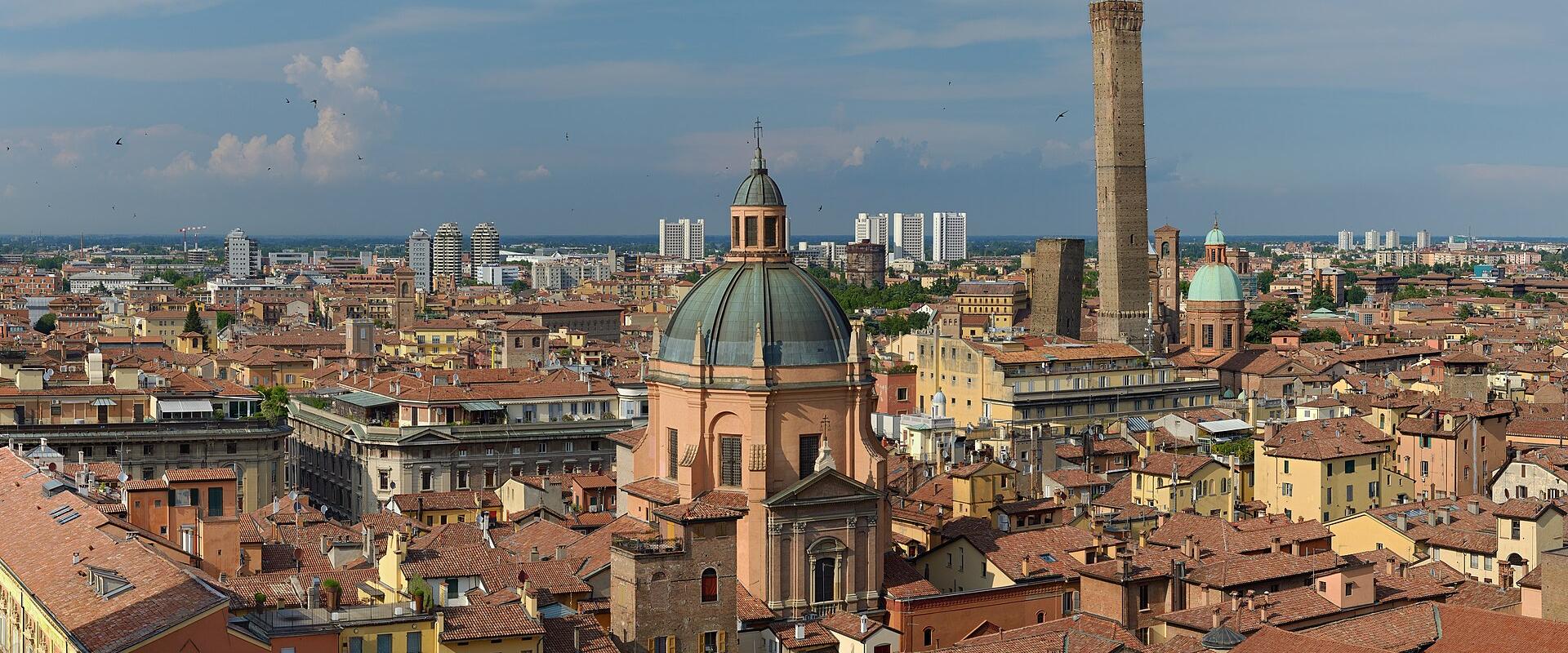
Bologna
Italy's culinary capital with medieval towers and the oldest university
Bologna’s history goes back to the Etruscan period, when it was known as Felsina, and later it became a Roman colony called Bononia. During the Middle Ages it emerged as a powerful commune and a centre of learning, with the University of Bologna attracting scholars from across Europe. The city was ruled by various families, including the Bentivoglio, before becoming part of the Papal States in the 16th century. This period left a significant mark on the city’s architecture and religious institutions. In the 19th century Bologna played a key role in the Italian unification movement. The city’s strategic position on the Via Aemilia, an ancient Roman road, helped trade and cultural exchange, contributing to its prosperity. Throughout the centuries Bologna has kept its identity as a centre of education and commerce, balancing the preservation of its historic centre with modern development.
The main attractions reflect its rich history and cultural significance. The Piazza Maggiore is the city’s central square, surrounded by important buildings such as the Basilica di San Petronio, a massive Gothic church that remains unfinished on its facade, and the Palazzo Comunale. The Asinelli Tower, one of the two iconic leaning towers of Bologna known as the Due Torri, offers panoramic views of the city and the surrounding plains when it is open, and the shorter Garisenda Tower leans so far that access around it has been restricted. The Porticoes of Bologna, stretching for over 60 kilometres in all, are a unique architectural feature that provides covered walkways, protecting pedestrians from rain and sun. The longest of them, the Portico di San Luca, climbs for nearly four kilometres to a hilltop sanctuary above the city. The Quadrilatero, the ancient market district, is a labyrinth of narrow streets filled with food shops, restaurants, and historic buildings, offering a sensory experience of local flavours. The Pinacoteca Nazionale, beside the Accademia di Belle Arti, holds an important collection of paintings, including works by Raphael. The MAMbo, the Museum of Modern and Contemporary Art, shows contemporary art and design.
Other highlights include the Archiginnasio, the old seat of the university, with its anatomical theatre of carved wood, the Santo Stefano complex, a group of linked churches known as the 'sette chiese' (seven churches), the Museum of the History of Bologna, in Palazzo Pepoli, the Teatro Comunale, the city’s opera house, and the Giardini Margherita, a large park that is popular with locals.
Activities in Bologna are heavily focused on its culinary heritage. Visitors can take food tours to sample traditional dishes such as tortellini in brodo, tagliatelle al ragù, and mortadella. Cooking classes are popular for learning to make fresh pasta and other regional specialities. The city’s numerous trattorias and osterias serve authentic Emilia-Romagna cuisine. Beyond food, Bologna offers cultural experiences such as visiting the university’s anatomical theatre and the city’s many museums. The surrounding hills offer hiking and cycling, with vineyards and olive groves giving scenic views. Bologna is also a gateway to the Modena and Parma regions, known for their balsamic vinegar and prosciutto. The city hosts festivals and events through the year, celebrating its artistic and culinary traditions.
Getting to Bologna is convenient by rail and road. Bologna Centrale is a major railway hub with high-speed connections to Milan, Florence, Rome, and Venice. The city is well connected by the A1 and A14 motorways. For those flying, Bologna Guglielmo Marconi Airport is about 6 kilometres from the city centre.
The best time to visit Bologna is from April to June or September to October, when the weather is mild and pleasant, ideal for outdoor attractions and historic sites. Summer can be hot and humid, while winter is cold and foggy. Despite the seasonal variations, Bologna’s indoor attractions and food scene make it a rewarding destination year-round.
Best time to visit
Visit between April and June or September and October for mild temperatures and fewer crowds.
What to see in Bologna
Our picks first.
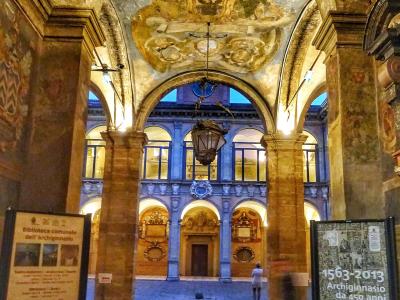
Archiginnasio of Bologna
Historic university housing the grand anatomical theatre
Architectural Monuments · Educational Sites
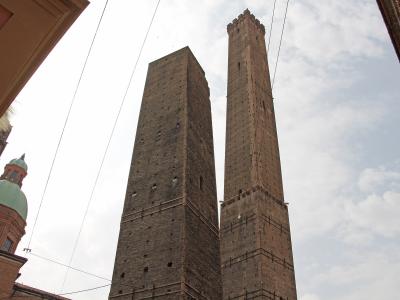
Due Torri (Asinelli and Garisenda)
Bologna's two medieval towers, closed to climbers since 2023
Free Architectural Monuments · Historic Gates
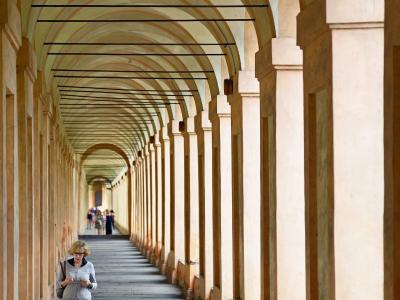
Portico di San Luca
World's longest portico with 666 arches
Architectural Monuments · Cultural Tours
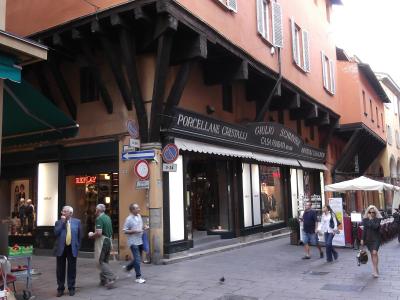
Quadrilatero
Medieval food market district with shops since the 13th c...
Free Historic Districts · Local Cuisine
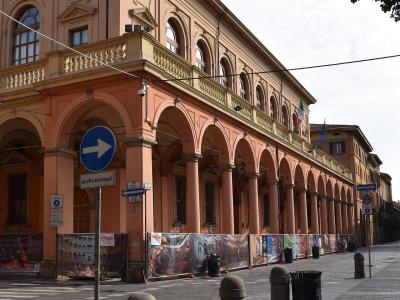
Teatro Comunale di Bologna
Historic opera house presenting music since 1763
History & Heritage · Museums & Culture
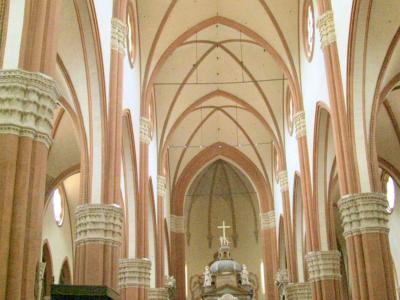
Basilica di San Petronio
Gothic basilica in Bologna's Piazza Maggiore
Architectural Monuments · Historic Churches
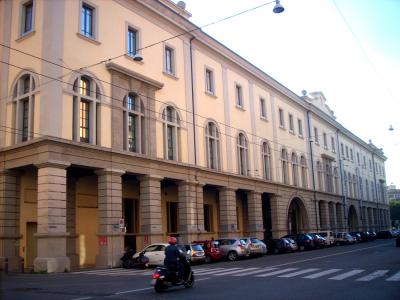
Bologna Art Museum (MAMbo)
World's largest Morandi collection
Art Museums
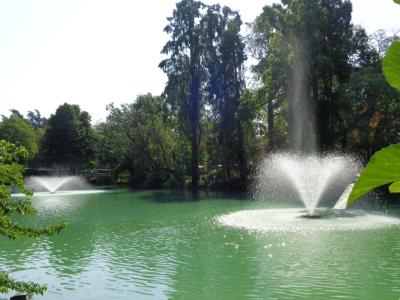
Giardini Margherita
Largest Bologna park, 26 hectares, English-style gardens
Free Botanical Gardens · City Promenades
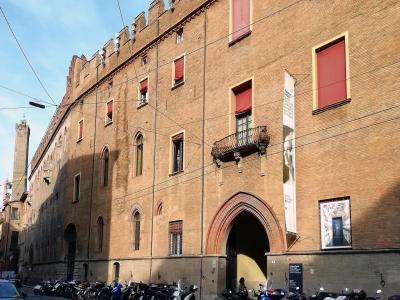
Museum of the History of Bologna
Interactive history of Bologna from Etruscan origins
From €5 History & Heritage · Museums & Culture
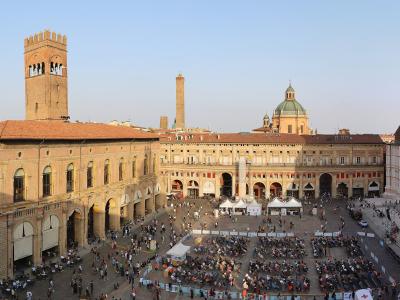
Piazza Maggiore
Free medieval square in Bologna's historic center
Free Cultural Tours · Historic Districts
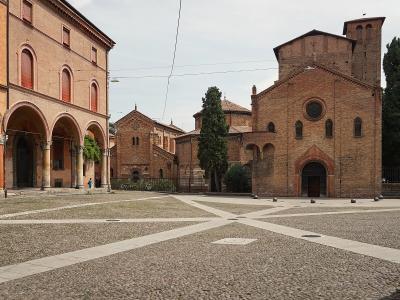
Santo Stefano Complex
Bologna's seven-church religious sanctuary
Free Architectural Monuments · Historic Churches
Bologna by interest
The same sights, grouped by what you came for.
Did you know?
Checked facts about Bologna, each with its source.
-
Notable Person
Nobel Laureate Guglielmo Marconi Was Born in Bologna
Guglielmo Marconi, the radio pioneer who shared the 1909 Nobel Prize in Physics with Ferdinand Braun for the development of wireless telegraphy, was born in Bologna on 25 April 1874.
Source: The Nobel Prize
Planning a visit to Bologna
Itineraries that include Bologna
Good to know
- Currency
- EUR
- Language
- Italian
Quick Facts
Book your stay
Questions people ask
More places in Emilia-Romagna
Emilia-Romagna
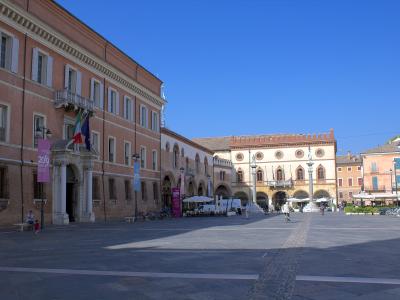
Ravenna
UNESCO city in Emilia-Romagna famous for Byzantine mosaics and Dante
Emilia-Romagna
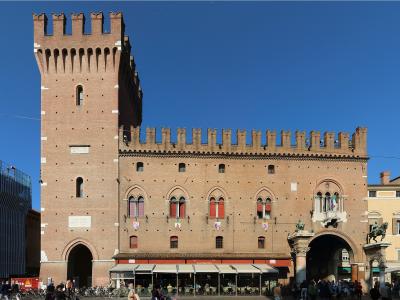
Ferrara
UNESCO Renaissance city with intact medieval walls and canals
Emilia-Romagna
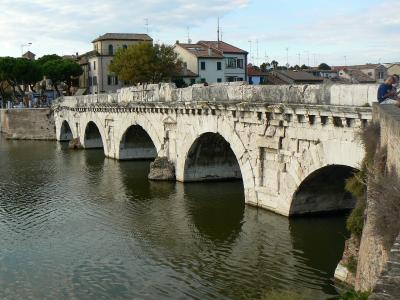
Rimini
Adriatic beach resort in Emilia-Romagna with Roman ruins and nightlife
Emilia-Romagna
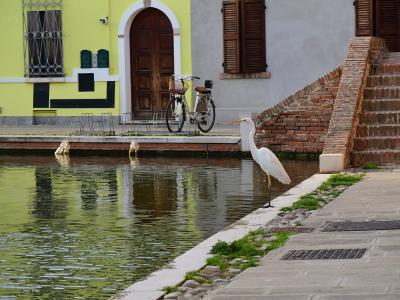
Comacchio
Lagoon town in Po Delta with canals, salt pans, and eel fishing traditions