
Viterbo
Medieval papal city in Lazio known for thermal baths and Etruscan roots
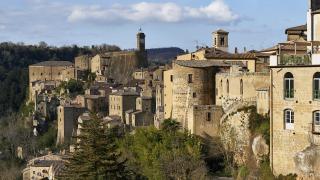
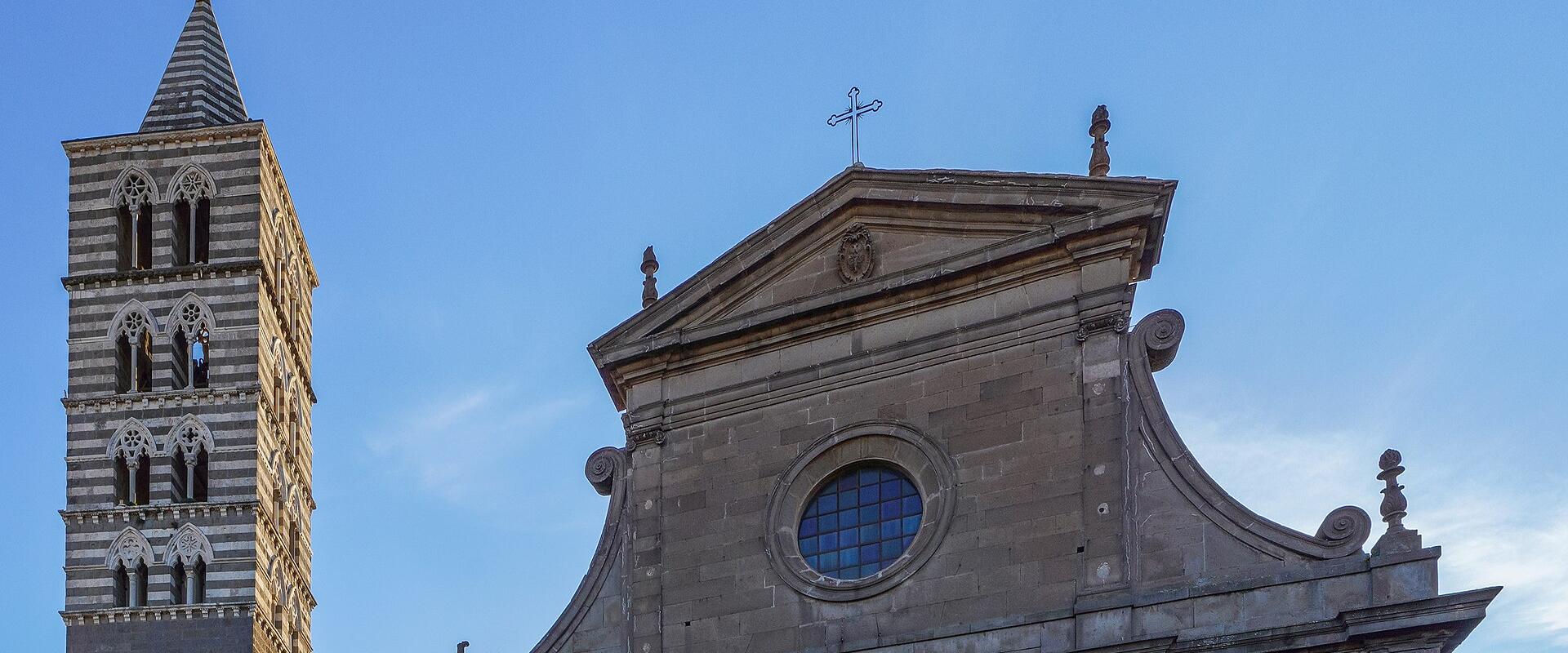
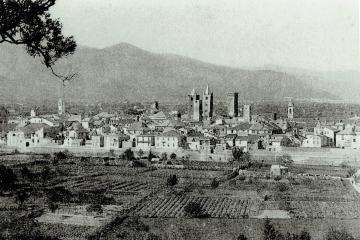
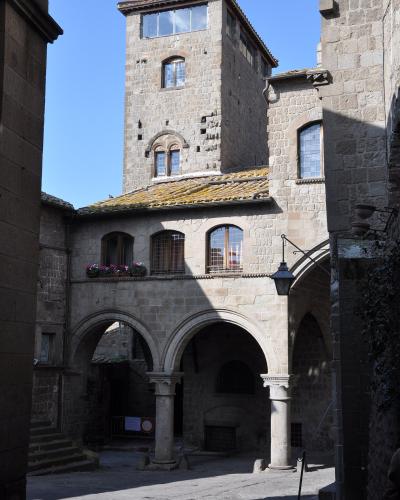
Viterbo’s history is deeply rooted in its Etruscan origins, with archaeological evidence suggesting settlement as early as the 7th century BC. The town flourished during the Middle Ages as a powerful commune, often in conflict with the Papal States and neighboring cities like Rome. In the 13th century, Viterbo became a pivotal center of European politics when it hosted the papal conclave that elected Pope Gregory X. The town served as a temporary papal seat for several decades, leaving behind significant architectural legacies such as the Palazzo dei Papi (Papal Palace) and the San Pellegrino Church. The medieval period also saw the construction of the town’s defensive walls and towers, which still define its skyline today. After the papacy returned to Rome, Viterbo gradually declined in political importance but retained its cultural and thermal significance. The town’s thermal springs have been used for healing since Roman times, and today, Viterbo is celebrated as a spa destination, offering therapeutic treatments in historic settings.
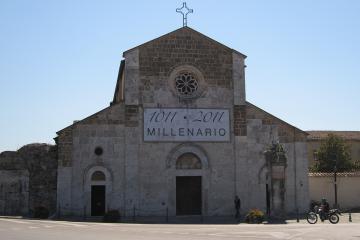
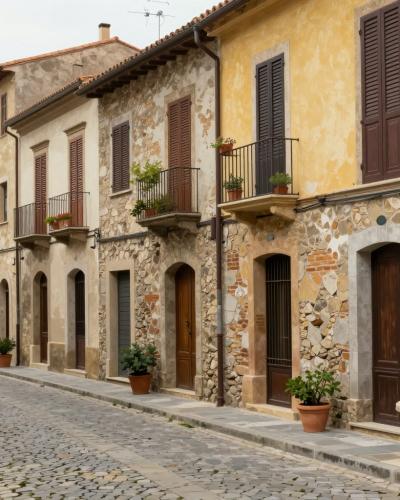
The main attractions in Viterbo are centered around its medieval architecture and thermal heritage. The Palazzo dei Papi is the most iconic landmark, featuring a Gothic facade and interior rooms that once hosted papal conclaves. The San Pellegrino Church, located nearby, is famous for its frescoes and its association with the town’s thermal history. The historic center is a labyrinth of narrow streets, lined with medieval houses, towers, and piazzas. The Torre dei Papi and the Rocca Albornoziana are other notable fortifications. The town’s thermal baths, such as the Terme dei Papi and the Terme di San Pellegrino, offer a range of wellness treatments using the local mineral waters. The Etruscan Well (Pozzo San Patrizio) in nearby Orvieto is often visited in conjunction with Viterbo, but Viterbo itself has several Etruscan cisterns and tombs. The town also boasts numerous museums, including the Museo Civico, which houses artifacts from the Etruscan and medieval periods.
Activities in Viterbo include exploring the historic center, visiting the thermal baths, and enjoying the local cuisine. The town is known for its traditional Lazio dishes, including pasta alla gricia, carbonara, and local wines like Cesanese. Visitors can take guided tours to learn about the town’s papal history and medieval architecture. The surrounding countryside offers opportunities for hiking and cycling, with access to the Monti Cimini and Monti Volsini. Viterbo also hosts various festivals and events throughout the year, including the Viterbo Christmas Market and the Medieval Festival. Shopping includes local ceramics, textiles, and food products. For those interested in history, guided tours are available to explore the town’s Etruscan roots and papal legacy.
Getting to Viterbo is convenient via rail and road. The town is well-connected by train from Rome, with frequent services taking approximately 1 hour. Viterbo has a railway station in the city center. For those traveling by car, the A1 motorway provides easy access from Rome and Florence. The nearest airport is Rome Fiumicino, located about 100 kilometers away. The best time to visit Viterbo is from April to June or September to October, when the weather is mild and pleasant, ideal for exploring the outdoor attractions and historic sites. July and August are peak tourist months, with higher temperatures and larger crowds. Winter is cool but offers a quieter experience, with the thermal baths providing a warm retreat. Despite the seasonal variations, Viterbo’s rich history and thermal offerings make it a rewarding destination year-round.
Best Time to Visit
Visit between April and June or September and October for mild temperatures and fewer crowds.
Plan Your Visit to Viterbo
Essential travel tips and information for your trip to Viterbo.
Suggested Itineraries
One Day in Viterbo
1 dayPerfect for a quick visit. See the main highlights and get a taste of local culture.
Extended Viterbo Experience
2-3 daysComprehensive exploration including nearby attractions and cultural experiences.
Travel Tips
Currency
EUR • Cards widely accepted
Language
Italian • English in tourist areas
WiFi
Free WiFi in cafes and hotels
Explore Viterbo by Interest
Discover attractions and experiences in Viterbo organized by your interests and travel preferences.

All attractions in Viterbo
Sorted by our recommendation score
Quick Facts
Book your stay
Frequently Asked Questions
More destinations in Lazio
Explore other amazing places in the Lazio region