
Ancient Foundations and Roman Legacy
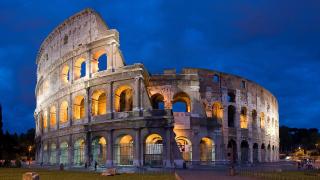
Rome’s urban landscape preserves extensive Roman ruins. The Colosseum stands as a primary example. This amphitheater hosted gladiatorial contests for centuries. Pompeii offers a preserved snapshot of daily life. The eruption of Vesuvius buried the city in 79 AD. Excavations reveal detailed domestic and public structures. Guided tours provide essential historical context. They explain architectural techniques and social hierarchies. Visitors should distinguish Imperial Rome from the broader empire. The capital held political power for centuries. Other cities like Ostia Antica show provincial life. Time management is crucial for major sites. The Colosseum requires advance booking. Lines can exceed two hours without tickets. Pompeii covers 66 hectares. Walking the full site takes a full day. Audio guides offer independent exploration options. Many ruins remain open-air. Weather conditions affect visit comfort. Summer heat intensifies exposure risks. Winter visits offer shorter crowds. However, some areas may close early. Local guides often speak multiple languages. They bridge language barriers effectively. Historical markers provide basic information. Deeper insights require professional interpretation. The legacy shapes modern Italian identity. Architecture and law derive from Roman roots. Understanding this history enhances the travel experience. Physical remnants anchor abstract historical concepts. They provide tangible connections to the past. Planning ensures efficient site navigation. Prioritizing key monuments maximizes educational value.
Medieval Fragmentation and City-States
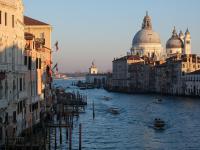
The Middle Ages brought political fragmentation to the Italian peninsula. Independent city-states emerged as powerful political entities. Venice, Florence, and Milan rose to prominence. These republics operated with distinct governmental structures. Venice developed a unique maritime republic model. Its power relied heavily on naval dominance. Florence established a republican system driven by commerce. Milan functioned as a duchy under strong rulers. The Papal States controlled central Italy directly. This division created stark regional architectural differences. Northern cities favored Gothic styles influenced by Europe. Southern regions retained Byzantine and Norman influences. Maritime republics built grand palaces for merchants. These structures reflected immense wealth and trade power. The lack of central authority fostered local identities. Historical borders from this era persist today. Modern Italian regions mirror medieval political divisions. Cultural diversity stems directly from this fragmentation. Each city-state developed unique artistic traditions. This independence allowed for rapid cultural innovation. The legacy of these rivalries remains visible. Urban landscapes still reflect medieval political boundaries. Understanding this history explains current regional variations. The fragmentation shaped Italy’s complex national identity. It prevented early unification for centuries. This period defined the country’s structural diversity.
Renaissance Art and Cultural Boom
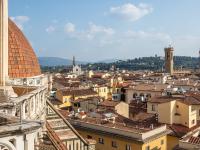
Florence served as the primary birthplace of the Renaissance. This period began in the fourteenth century. Wealthy families like the Medici provided crucial patronage. Their support enabled major artistic developments. The Papacy also funded significant projects in Rome. Artists such as Leonardo da Vinci worked in Florence. Michelangelo created the David statue in this city. Botticelli produced famous works for Medici patrons. Architecture shifted from Gothic to Renaissance styles. Brunelleschi designed the dome of Florence Cathedral. This structure demonstrated new engineering techniques. The Uffizi Gallery now houses these masterpieces. Visitors can view original Renaissance paintings. The Bargello Museum displays early sculptures. These institutions preserve physical cultural evidence. Artistic techniques like linear perspective emerged here. Humanism influenced literary and artistic themes. The movement spread to other Italian cities. Venice developed its own distinct artistic style. Rome became a center for papal art. The Sistine Chapel ceiling illustrates this shift. These achievements define Italy’s cultural heritage. Modern tourists access these sites directly. The legacy remains visible in urban landscapes.
Unification and Modern State Formation
The Risorgimento movement drove Italian unification in the nineteenth century. Key figures like Cavour and Garibaldi led this political process. The Kingdom of Sardinia initiated the consolidation of northern states. Military campaigns against Austrian forces proved crucial for territorial expansion. Turin served as the initial capital of the new kingdom. Florence became the temporary capital in 1865. This shift reflected the ongoing struggle to secure Rome. The Papal States resisted annexation until 1870. French troops protected the Pope until their withdrawal. Italian forces entered Rome in September 1870. Rome officially became the capital in 1871. This event completed the unification of the peninsula. The new state faced significant challenges in integration. Northern industrialization contrasted sharply with southern agrarian economies. Regional identities remained strong despite national political structures. Dialects and local customs persisted across diverse territories. The government implemented standardization policies to foster unity. Italian became the mandatory language in schools and administration. Infrastructure projects connected distant regions through railways and roads. Architectural changes reflected the new national identity. Public buildings adopted neoclassical styles to symbolize stability. Social reforms aimed to modernize the legal system. However, economic disparities between north and south endured. These divisions influenced Italian politics for decades. The unification process created a complex national framework. It balanced central authority with regional autonomy. This tension shaped modern Italian democratic institutions. The legacy of the Risorgimento remains central to national discourse. Historical monuments in Rome commemorate these pivotal events. They serve as reminders of the struggle for unity. The modern state emerged from this turbulent period. Its foundations reflect both triumphs and unresolved conflicts.
World War II and Post-War Reconstruction
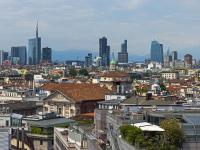
Italy faced severe devastation during World War II. German occupation followed the 1943 armistice. A brutal civil war erupted across the peninsula. Partisan resistance groups fought Axis forces in northern regions. This conflict caused significant infrastructure damage nationwide. The monarchy lost legitimacy due to its wartime alliance. Italians voted to abolish the monarchy in 1946. This referendum established the Italian Republic. A new constitution took effect in 1948. It guaranteed democratic rights and regional autonomy. Post-war reconstruction began immediately under Allied supervision. The Marshall Plan provided essential financial aid. This funding supported rebuilding efforts in cities like Rome and Milan. The period from 1958 to 1963 saw rapid industrial growth. This era is known as the Economic Miracle. Production in the automotive and manufacturing sectors surged. Families moved from rural areas to industrial cities. Visible war memorials dot the landscape today. These sites commemorate the Resistance and fallen soldiers. Modern Italian politics still reflects these divisions. The legacy of the civil war influences current debates. Historical sites serve as educational reminders of this turbulent period.