


The Ritual of the Meal
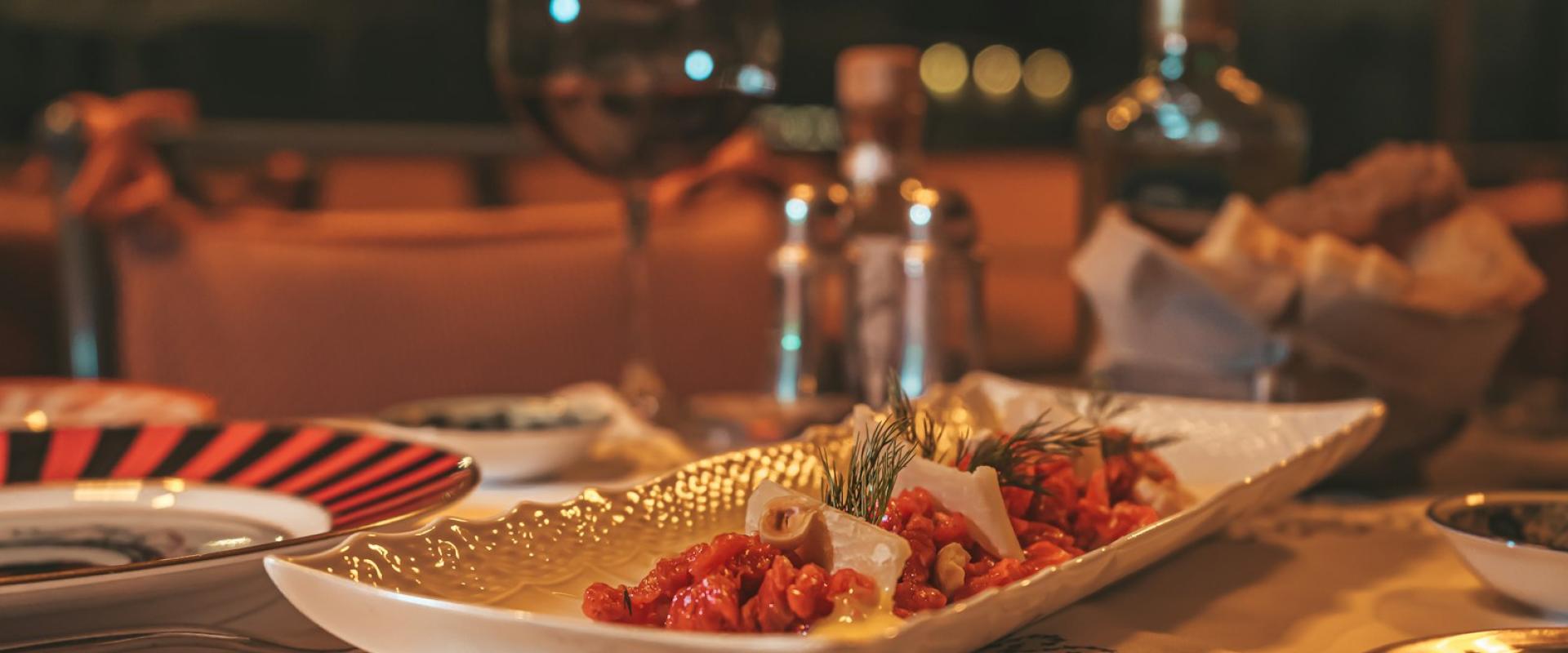
Italian dining follows a strict daily rhythm. Breakfast is light, typically coffee and a pastry. Lunch and dinner are the substantial main meals. Many businesses close for riposo between 1:00 PM and 4:00 PM. Restaurants often reflect this pause, limiting midday service. Dinner usually begins late, around 8:00 PM or later. Meals are sequential, not simultaneous. The structure is rigid and traditional. It begins with the Antipasto, a starter of cured meats or cheeses. Next comes the Primo, a starch-based course like pasta or risotto. The Secondo follows, featuring meat, fish, or eggs. A Contorno of vegetables accompanies the main protein. These are served on separate plates. Water is standard, often still or sparkling. Wine pairs with the specific course. Tipping is not mandatory. A small coin left on the table suffices. Service charges are often included in the bill. Understanding this sequence respects local custom. It ensures a proper culinary experience. Rushing through courses is considered rude. Each dish deserves individual attention. This structure defines the social rhythm of Italian life.
Italian menus separate courses strictly. You must order each course individually. The Primo is the first course. It includes pasta, risotto, or soup. This dish is not a side. The Secondo is the main protein. It features meat, fish, or eggs. Do not order pasta and meat together. The Contorno is a vegetable side. It accompanies the Secondo. You must order it separately. Always ask for bread separately. The Pane e Coperto is a mandatory fee. It covers bread and table service. This charge is not a tip. It usually costs one to two euros per person. Avoid the Menu Turistico. These fixed-price menus offer limited choices. They often use lower-quality ingredients. À la carte dining is superior. It allows you to select fresh, seasonal items. You pay for what you actually eat. This method supports local culinary standards. It ensures a higher quality meal. Always check the menu for the coperto charge. This fee applies to every diner. It is standard across Italian restaurants. Understanding these terms prevents billing errors. It also respects local dining customs. You will navigate menus with confidence.
Coffee Consumption Norms
Italian coffee culture operates on strict temporal and structural rules. Milk-based coffees are reserved exclusively for breakfast. Ordering a cappuccino after a meal is considered a culinary error. It disrupts digestion and violates local dining etiquette. Coffee is primarily consumed standing at the bar counter. This method is faster and significantly cheaper. Sitting at a table incurs a substantial service charge. The price difference can be five times higher for seated service. Always ask for the price before ordering if seated. Terminology is precise and non-negotiable. Do not order a 'latte.' This requests plain milk from the barista. Instead, request a 'caffè' for a standard espresso. A 'caffè macchiato' adds a small amount of milk foam. A 'caffè corretto' includes a shot of liquor. These distinctions matter to locals. They signal respect for Italian customs. Avoid using English modifiers like 'large' or 'small.' Sizes are standardized by the espresso shot. The barista will understand your request for a single or double. Always pay before drinking. Cash is preferred for small transactions. Tipping is not expected or required. The price includes all service costs. Standing at the bar allows you to observe daily life. It is the authentic way to consume coffee in Italy.
Service Charges and Tipping
Italian bills often include a coperto, a fixed cover charge. This fee covers bread and table service. It appears on every receipt. Do not confuse this with a tip. It is a mandatory service charge. Tipping remains optional in Italy. You are not obligated to leave extra money. Rounding up the bill is customary. Leaving small change shows polite appreciation. For exceptional service, leaving five percent is generous. High-end restaurants may include a servizio charge. Always check your bill for this inclusion. If servizio is listed, no further tip is required. In casual trattorias, leaving loose coins is standard. Waiters do not rely on tips for wages. They earn a standard salary. Aggressive tipping can seem strange or insulting. Keep gestures modest and natural. A simple thank you suffices for good service. Do not over-tip for average experiences. Reserve larger amounts for truly outstanding service. Remember that coperto is not a gratuity. It is a fixed cost for dining. Understanding this distinction prevents confusion. You pay for the meal and the cover. Extra money is a personal choice. It reflects your satisfaction with the experience. Keep your interactions respectful and understated.
Italians view food as a cultural pillar. Modifying traditional dishes is a significant faux pas. Do not add excessive salt or pepper. Avoid requesting substitutions for standard ingredients. Respect the chef’s original preparation methods. Dining is a social ritual, not a quick transaction. Meals require deliberate pacing and conversation. Rushing through courses is considered rude. Engage fully with your dining companions. Silence during the meal is uncommon. Signal for the bill by making eye contact with staff. Do not wave your hand or snap fingers. This gesture is considered disrespectful. Ask for the il conto politely. Wait for the server to bring the check. Do not place money on the table. This implies haste and impatience. The server will return with your change. Tipping is not mandatory due to the coperto. However, leaving small change is appreciated for good service. Always pay attention to local customs. These norms ensure a respectful dining experience. They reflect the deep value placed on hospitality. Adhering to these rules shows cultural awareness. It enhances your interaction with local residents. Proper etiquette bridges the gap between tourist and guest. It demonstrates respect for Italian traditions. This respect is reciprocated with warmth and service.
Regional Variations and Aperitivo
The aperitivo is a vital Northern Italian social ritual. It occurs between 6:00 PM and 8:00 PM. Patrons buy a drink, often a Spritz or Negroni. This purchase frequently includes access to a buffet. The spread features olives, nuts, and cured meats. It serves as a pre-dinner social bridge. Meal timing varies significantly across the peninsula. Northern Italians typically dine later, around 8:30 PM. Southern regions often eat earlier, near 7:30 PM. Dish composition reflects local agricultural resources. Coastal areas prioritize seafood and light preparations. Inland regions favor hearty meat dishes and dense pastas. The menu del giorno offers practical value. It presents a fixed-price, three-course option. This menu changes daily based on market availability. It provides an affordable way to sample local specialties. Ordering this option supports local suppliers directly. It also simplifies decision-making for travelers. The price usually ranges from €10 to €15. This structure ensures consistent quality and freshness. Understanding these regional nuances enhances the dining experience.