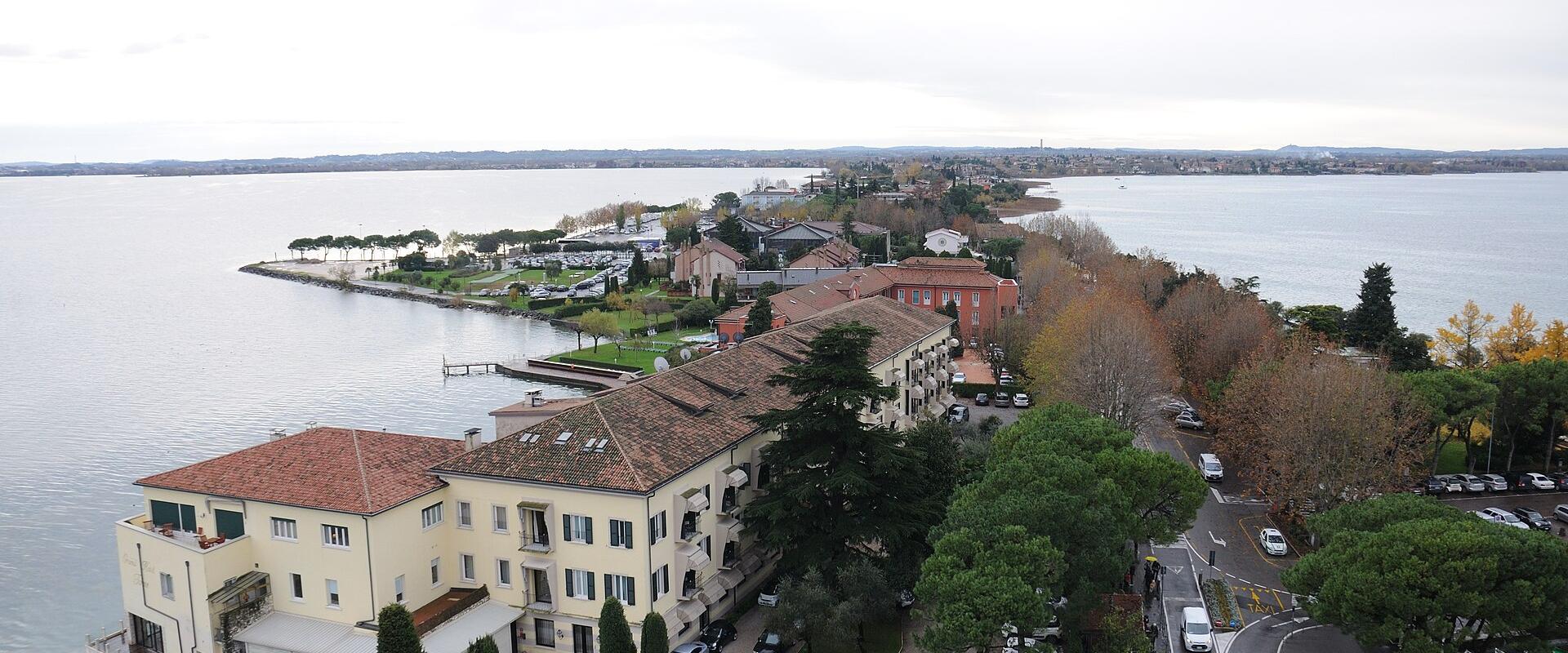
Lake Garda
Italy's largest lake bordered by Alps and Mediterranean climate
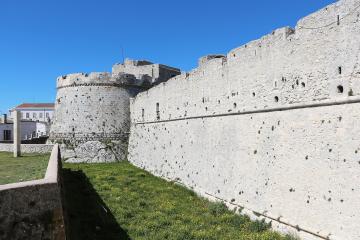
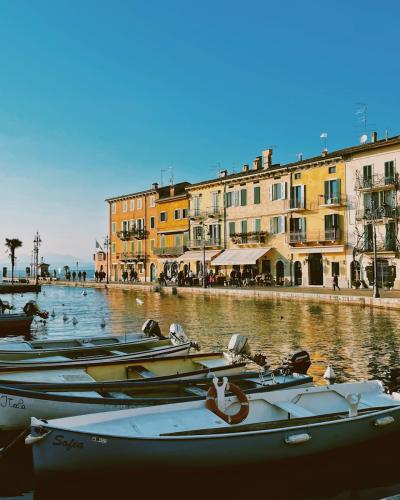
Lake Garda is a geographical and cultural jewel of Northern Italy, spanning three regions: Lombardy to the west, Veneto to the east, and Trentino-Alto Adige to the north. Its formation dates back to the last Ice Age, carved out by glacial activity, resulting in a long, narrow body of water that stretches approximately 50 kilometers. The lake's unique geography creates distinct microclimates; the northern part is cooler and more Alpine, while the southern shores enjoy a mild, Mediterranean climate suitable for citrus cultivation. Historically, the lake has been a significant crossroads. In Roman times, it was known as Benacus and was a favored retreat for emperors like Hadrian and Augustus. The medieval period saw the construction of numerous castles and fortifications, such as the Rocca di Manerba and the Castello Scaligero in Sirmione, which guarded the strategic waterways. During the 18th and 19th centuries, Lake Garda became a haven for European artists and writers, including Lord Byron and Stendhal, who were captivated by its sublime scenery. Today, the lake is a hub for tourism and recreation. Sirmione, a peninsula town, is famous for its Roman ruins and medieval castle, offering panoramic views of the lake. Riva del Garda in the north is a premier destination for windsurfing and sailing, thanks to its consistent thermal winds. Desenzano del Garda and Peschiera del Garda in the south are vibrant towns with bustling ports, historic centers, and easy access to Venice and Verona. Activities on Lake Garda are diverse. Water sports enthusiasts can engage in sailing, windsurfing, kitesurfing, and swimming. The northern shores offer hiking trails with breathtaking views, while the southern shores are ideal for cycling along the lakeside paths. Cultural attractions include the Grotte di Catullo in Sirmione, one of the largest Roman villas in the world, and the many museums dedicated to local history and art. For those seeking relaxation, the thermal springs of Sirmione offer therapeutic baths. Getting to Lake Garda is convenient via air, rail, and road. The nearest major airports are Verona Villafranca (VRN) and Milan Malpensa (MXP), with Brescia Airport (BTS) also serving the area. The lake is well-connected by train, with stations in Desenzano, Peschiera, and Riva del Garda linking to major Italian cities. The A4 motorway runs along the southern shore, providing easy car access. The best time to visit Lake Garda is from May to June and September to October. During these months, the weather is pleasantly warm, with temperatures ranging from 20°C to 25°C, and the crowds are thinner compared to the peak summer season. July and August can be hot and crowded, particularly in the southern towns, while winter is mild but some tourist services may be limited. This seasonal variation allows visitors to enjoy the lake's beauty and activities year-round, with each season offering a unique experience.
Best Time to Visit
Visit in May to June or September to October for mild weather and fewer crowds.
Did you know?
Interesting, verified facts about Lake Garda
Lake Garda Is Linked to Lake Landscapes
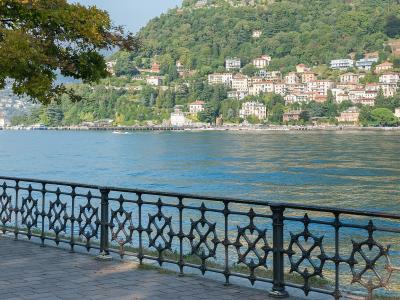
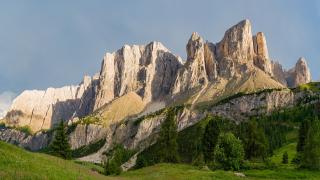
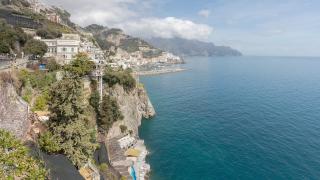
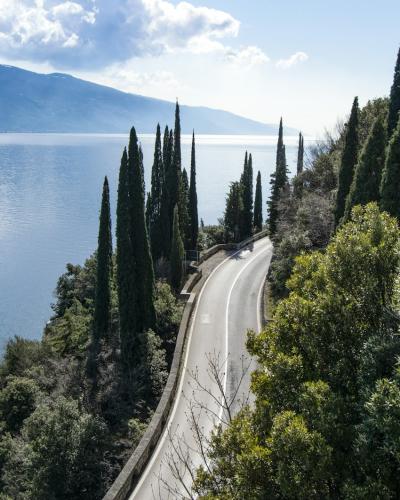
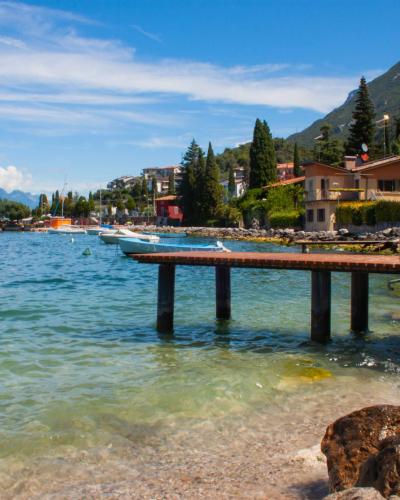
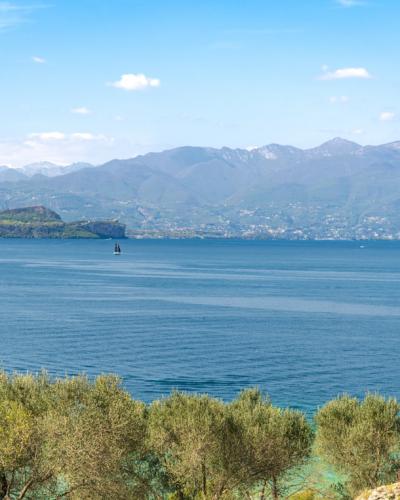
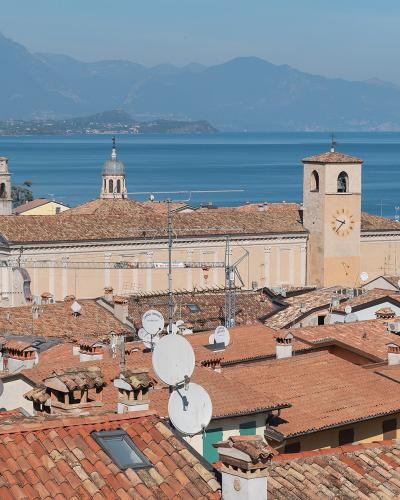
HistoryThe lake's dramatic landscape features rugged mountains plunging into azure waters, with historic towns like Sirmione, Riva del Garda, and Desenzano del Garda dotting its shores.
Source: Lake Garda - WikipediaLake Garda Is Linked to Lake Landscapes
RecordLake Garda, known locally as Lago di Garda or Benaco, is the largest lake in Italy, situated in the northern regions of Lombardy, Veneto, and Trentino-Alto Adige.
Source: Lake Garda - WikipediaPlan Your Visit to Lake Garda
Essential travel tips and information for your trip to Lake Garda.
Suggested Itineraries
Extended Lake Garda Experience
3 days3-day exploration of Lake Garda's southern and central regions
View ItineraryTravel Tips
Currency
EUR • Cards widely accepted
Language
Italian • English in tourist areas
WiFi
Free WiFi in cafes and hotels
Explore Lake Garda by Interest
Discover attractions and experiences in Lake Garda organized by your interests and travel preferences.
All attractions in Lake Garda
Sorted by our recommendation score
Quick Facts
Book your stay
Frequently Asked Questions
More destinations in Lombardy
Explore other amazing places in the Lombardy region