

Geographic Scope and Regional Context
This guide covers four primary Italian destinations: Venice, Lake Garda, Lake Como, and Lake Maggiore. Venice sits in the Veneto region, on the Adriatic Sea. The three lakes lie in Lombardy and Piedmont. Milan serves as the central transport hub for all locations. Travel distances vary significantly across this northern Italian area. Venice is approximately 250 kilometers from Milan by train. Lake Como is closer, roughly 50 kilometers northwest of Milan. Lake Garda extends southward, bordering Veneto and Lombardy. Lake Maggiore lies further west, near the Swiss border. Regional distinctions define the travel experience in Italy. Veneto offers a unique maritime and lagoon environment. Lombardy and Piedmont provide alpine foothills and lake shores. Climate differences are notable between the coast and mountains. Venice experiences humid subtropical weather with high rainfall. The lakes enjoy a milder, more temperate climate. Terrain shifts from flat lagoons to steep mountain slopes. Travelers should plan for distinct regional characteristics. Each destination requires specific logistical preparation. Understanding these geographic boundaries ensures efficient itinerary planning. The spatial relationships dictate realistic travel times between sites.
Inter-City Transit Logistics
Milan serves as the essential rail hub for accessing Venice and the Northern Lakes. Direct high-speed Frecciarossa trains connect Milano Centrale to Venezia Santa Lucia. This journey takes approximately 2.5 hours. Regional trains offer a slower, cheaper alternative. They require roughly 4.5 hours for the same route. For Lake Como, take a regional train from Milan to Como San Giovanni. The trip lasts about one hour. For Lake Maggiore, travel to Stresa or Baveno from Milan. These routes take approximately 1.5 hours. Lake Garda requires a transfer at Brescia or Verona. Trains to Desenzano del Garda take roughly 2 hours. Rail travel is generally faster and more reliable than buses. Buses often face traffic delays on Lombard roads. Trenitalia operates the primary rail network. Tickets can be purchased online or at station kiosks. Advance booking secures lower fares on high-speed lines. Regional tickets are valid for unlimited travel on specific routes. They do not require seat reservations. Bus services like FlixBus connect major hubs. However, they are less frequent than trains. Plan for extra time during peak summer months. Rail infrastructure in Northern Italy is modern and efficient. Stations are centrally located in most cities. This facilitates easy transfers to local transit. Always verify schedules before travel. Timetables change seasonally. Check for strikes or maintenance work. Rail passes offer value for multi-city itineraries. The Eurail Pass covers most regional and high-speed trains. Validate regional tickets before boarding. Fines for invalid tickets are steep. Keep digital or printed tickets accessible. Conductors check tickets frequently. Ensure your device is charged for digital passes.
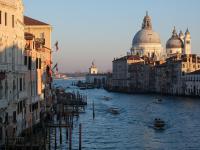
Venice relies entirely on water transit due to its car-free environment. The vaporetto network serves as the primary public transport system. These large water buses connect major islands and mainland points. Key Line 1 travels through the Grand Canal. It stops at essential landmarks like St. Mark’s Square. Line 2 offers a faster route along the canal. Tickets cost €9.50 for a single journey. A 75-minute pass provides unlimited travel on all lines. Daily passes are available for €25.00. Multi-day tickets offer better value for extended stays. Luggage transport presents unique logistical challenges in Venice. There are no taxis or cars for heavy bags. Passengers must carry luggage up and down stairs. Many vaporetto stops lack elevators or ramps. Travelers should use lightweight, wheeled suitcases with caution. Cobblestone bridges and narrow gangways complicate movement. Access to outer islands requires specific vaporetto lines. Murano and Burano are served by frequent routes. Ferry services connect Venice to the mainland. These boats reach Mestre and Marghera quickly. The journey takes approximately twenty minutes. This option is cheaper than rail for some travelers. Airport transfers utilize water taxis or Alilaguna boats. Alilaguna lines connect Marco Polo Airport to the city. The ride takes about sixty minutes. Costs range from €15.00 to €20.00. Planning routes via the ACTV app is recommended. Real-time schedules help avoid long waits at stops.
Lake-Specific Mobility Options
Lake Garda relies heavily on road and bus networks. Frequent buses connect towns like Sirmione and Riva. Cars offer flexibility but face limited parking. Ferries supplement land travel along the western shore. Lake Como prioritizes ferry-centric inter-town travel. The navigable lake connects Como, Bellagio, and Varenna. Ferries provide the most efficient scenic route. Cars are less practical for crossing the lake. Lake Maggiore offers diverse ferry and narrow-gauge rail options. The Circumlaake railway skirts the Italian shoreline. Ferries link Stresa to Borromean Islands. Seasonal variations significantly impact transport frequency. Summer schedules run daily with high frequency. Winter services reduce to limited daily trips. Venice requires distinct planning due to its lagoon setting. Vaporetto lines replace traditional road transit. Ferries connect the mainland to Murano and Burano. Cars cannot enter the historic center. You must park at Piazzale Roma or Tronchetto. From there, walk or take water buses. This separation defines the regional mobility experience. Each location demands specific logistical preparation. Plan routes based on the primary transport mode. Ferry timetables change with the tourist season. Always verify current schedules before traveling. This ensures efficient movement between destinations.
Seasonal Timing and Scheduling
High season runs from April to June and September to October. These months offer mild weather for Venice and the Northern Lakes. Crowds peak in July and August. Temperatures rise significantly across the region. Low season spans November through March. Fewer tourists visit during these colder months. Attractions remain open, but hours may shorten.
Transport schedules adjust seasonally. Ferries on Lake Como and Lake Garda reduce frequency in winter. Venice vaporetto services maintain regular routes year-round. Train connections from Milan remain consistent. Prices for accommodation and transport rise sharply in peak months. Book hotels and train tickets at least two months in advance.
Acqua alta poses a specific risk in Venice. This high-water event typically occurs between October and January. Saltwater floods the Piazza San Marco. Walkways are installed to aid pedestrian movement. Check local tide forecasts before visiting. Lake levels fluctuate but rarely impact travel logistics. Plan visits to major museums during shoulder seasons for shorter lines. Always verify opening times for specific sites online before arrival.
Budget and Ticketing Strategies
Venice imposes a day-tripper tax on visitors. This fee applies to non-resident tourists staying less than one night. Registration occurs via the official Visit Venezia platform. Fees vary by season and visitor volume. Booking accommodation early secures better rates in Venice. Prices spike significantly during peak summer months. The Northern Lakes offer more flexible pricing. Lake Como hotels often charge premium rates. Lake Garda provides more budget-friendly accommodation options. Booking directly with local properties reduces costs. High-speed trains like Frecciarossa use dynamic pricing. Fares increase as departure dates approach. Regional trains feature fixed, lower fares. These slower trains connect Venice to Milan. They serve the lakes with standard tickets. Multi-day transport passes exist for vaporettos. A 24-hour pass costs approximately €25. It covers unlimited water bus travel in Venice. Lake ferries operate on separate ticketing systems. Garda Lago offers integrated bus and ferry passes. These passes save money for frequent travelers. Consider staying in Mestre for cheaper hotels. This mainland town connects easily to Venice. Train tickets cost only a few euros. The commute takes roughly twenty minutes. This strategy lowers overall trip expenses significantly. Plan train bookings weeks in advance. Early purchases secure the lowest available fares. Avoid last-minute high-speed train purchases. Regional rail remains the economical alternative. Always verify current tax regulations online. Policies change frequently based on tourist numbers.