Turin
Former Italian capital with Egyptian museum and Baroque architecture
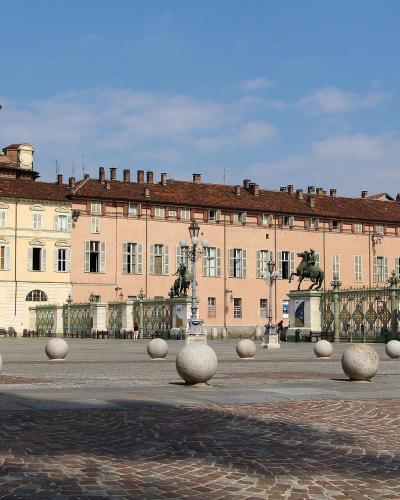
Turin’s history is deeply rooted in its strategic location at the crossroads of Italy and France. Originally a Celtic settlement, it was conquered by the Romans and became a significant military and commercial center. During the Middle Ages, Turin passed through various hands, including the Holy Roman Empire and the Duchy of Savoy. In the 17th and 18th centuries, under the Savoy dynasty, Turin underwent a massive transformation, becoming one of the most beautiful cities in Europe. The Baroque and Neoclassical architecture that defines the city today was largely developed during this period. Turin became the first capital of unified Italy in 1861, a status it held until 1865 when the capital moved to Florence. The 19th and 20th centuries saw Turin emerge as an industrial powerhouse, particularly in the automotive industry with the founding of Fiat. Today, the city balances its industrial past with a modern cultural scene, preserving its historic center while embracing innovation.
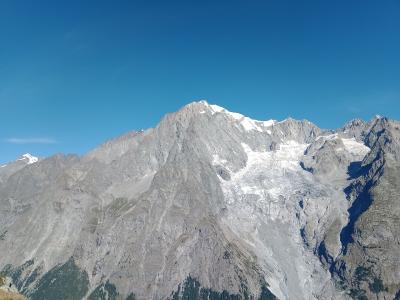
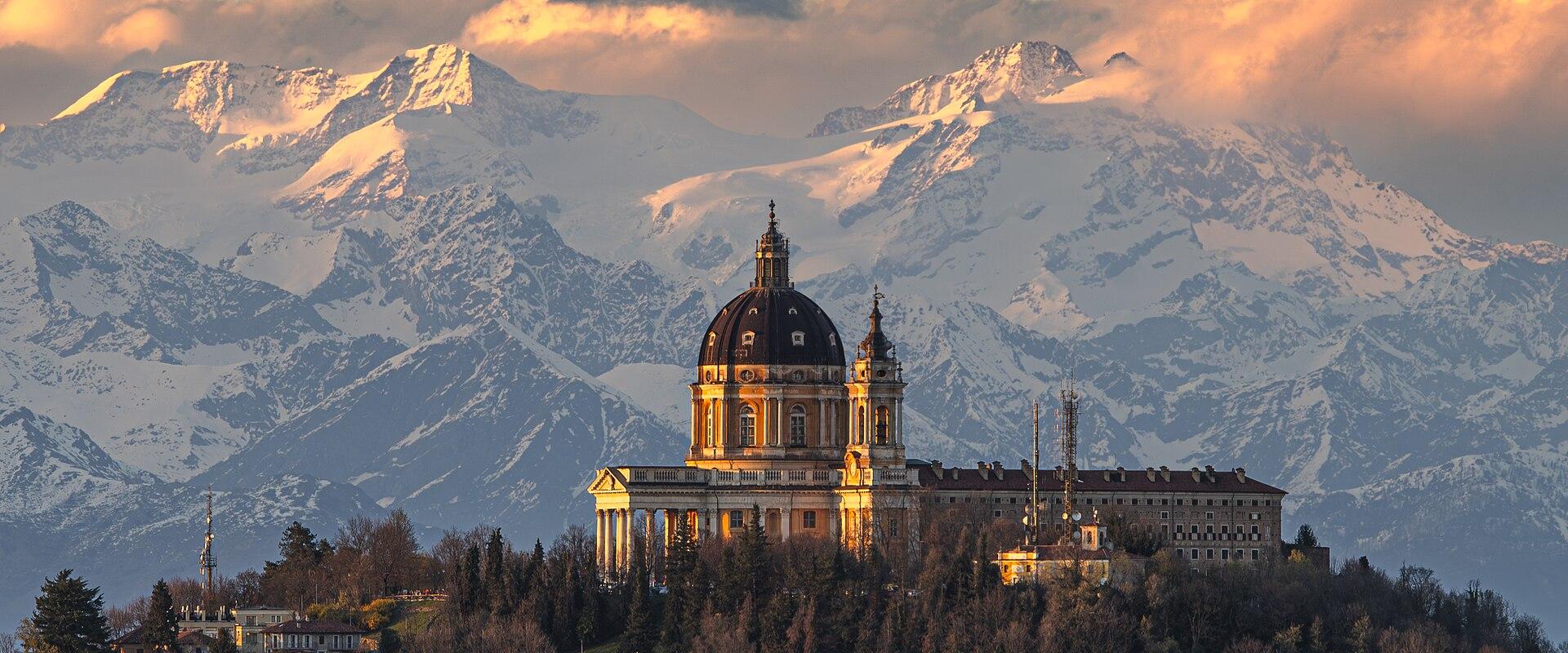
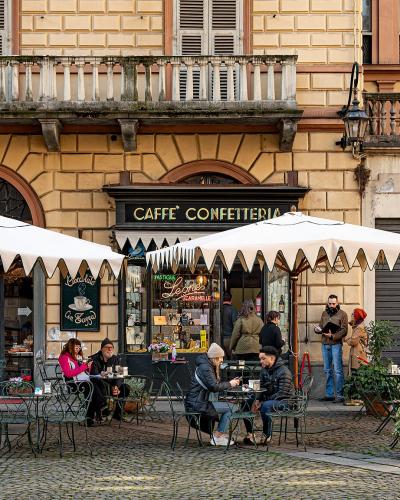
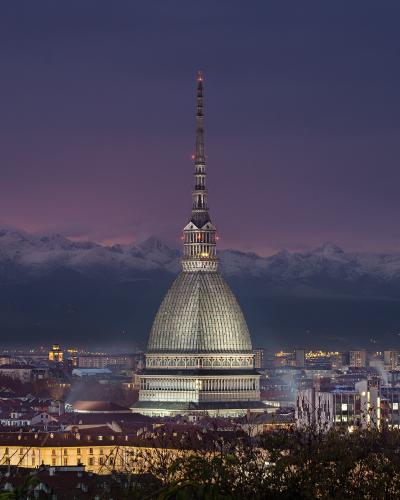
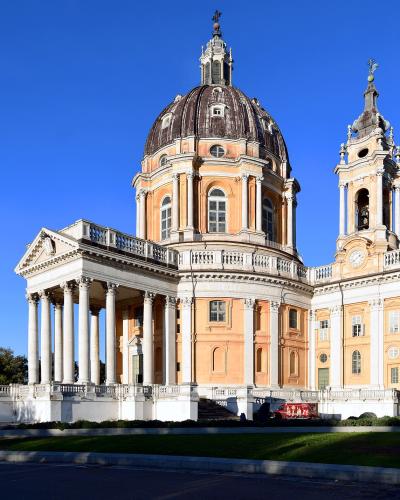
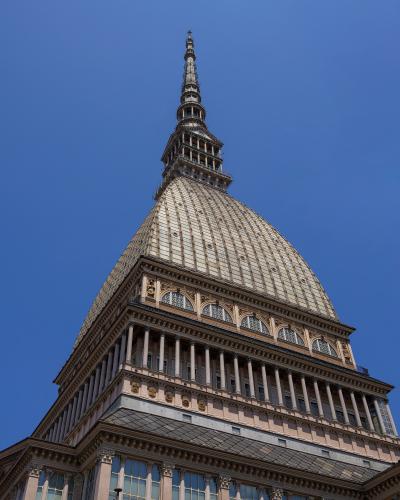
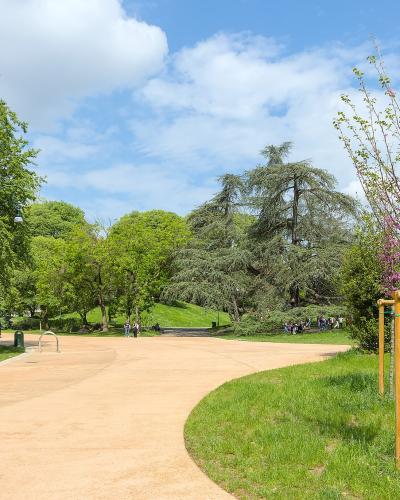
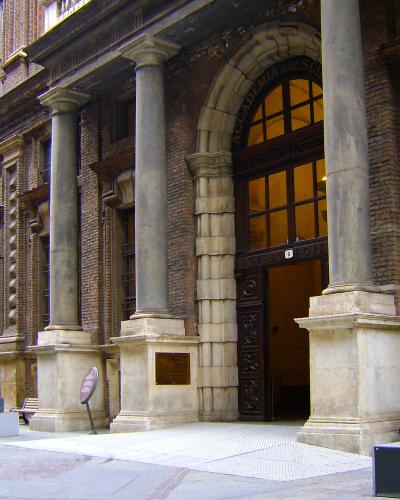
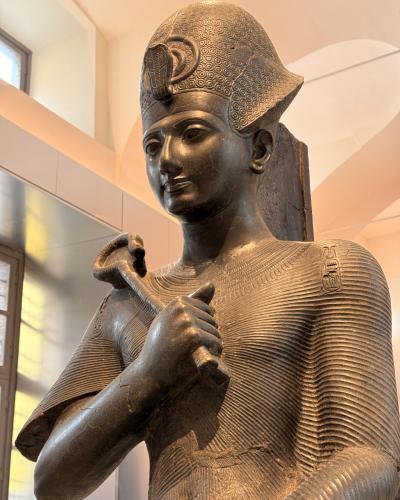
The main attractions in Turin reflect its royal heritage and cultural significance. The Royal Palace of Turin, a UNESCO World Heritage site, is a masterpiece of Baroque architecture and houses the Palatine Gallery, featuring works by Raphael and Caravaggio. The Mole Antonelliana, the city’s iconic landmark, houses the National Museum of Cinema and offers panoramic views of the Alps from its top. The Egyptian Museum is one of the most important in the world, with a collection second only to Cairo. The Superga Basilica, perched on a hill overlooking the city, offers stunning views and houses the tombs of the House of Savoy. The Valentino Park and the Castle of Valentino are popular spots for relaxation and leisure. The city’s wide avenues, such as Via Roma and Via Po, are lined with elegant buildings and cafes, perfect for people-watching.
Activities in Turin include exploring the museums, visiting the historic sites, and enjoying the local cuisine. The city is famous for its chocolate, particularly gianduja, and visitors can take chocolate-making classes or visit historic chocolate shops. The surrounding Piedmont region is renowned for its wines, including Barolo and Barbaresco, and wine tours are popular. The Alps provide opportunities for skiing and hiking, with resorts like Sestriere and Bardonecchia easily accessible. Turin also hosts various festivals and events, including the Turin Film Festival and the Chocolate Festival. Shopping includes local ceramics, textiles, and food products. For those interested in history, guided tours are available to explore the Savoy dynasty’s legacy and the city’s industrial past.
Getting to Turin is convenient via rail and air. Turin is well-connected by high-speed trains to Milan, Rome, and other major Italian cities. Turin Airport is located about 16 kilometers from the city center, with domestic and international flights. For those traveling by car, the A4 and A5 motorways provide easy access. The best time to visit Turin is from April to June or September to October, when the weather is mild and pleasant, ideal for exploring the outdoor attractions and historic sites. July and August can be hot, while winter is cold but offers opportunities for skiing in the nearby Alps. Despite the seasonal variations, Turin’s rich history and cultural offerings make it a rewarding destination year-round.
Best Time to Visit
Visit between April and June or September and October for mild temperatures and fewer crowds.
Did you know?
Interesting, verified facts about Turin
Minis Raced a Factory Rooftop in The Italian Job
Film & TVThe famous Mini Cooper chase in the 1969 heist classic The Italian Job, starring Michael Caine, was filmed on Turin's streets and landmarks — including the rooftop test track of the Fiat Lingotto factory, the sail-shaped roof of the Palavela, and the steps of the Gran Madre di Dio church. The Lingotto's banked rooftop circuit, where Fiat once tested cars fresh off the assembly line, is now a public rooftop garden called "La Pista 500" and can still be visited today.
Source: Turin Italy GuideTurin Has a Distinct Local Story
HistoryTurin, known as Torino in Italian, is a major city in the Piedmont region of northwestern Italy, nestled at the foot of the Alps.
Source: Metropolitan City of Turin - WikipediaTurin Has a Second Local Claim
RecordIt served as the first capital of the Kingdom of Italy from 1861 to 1865 and remains a hub of industry, culture, and history.
Source: Turin - WikipediaPlan Your Visit to Turin
Essential travel tips and information for your trip to Turin.
Suggested Itineraries
Travel Tips
Currency
EUR • Cards widely accepted
Language
Italian • English in tourist areas
WiFi
Free WiFi in cafes and hotels
Explore Turin by Interest
Discover attractions and experiences in Turin organized by your interests and travel preferences.
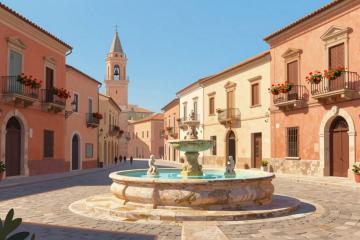
All attractions in Turin
Sorted by our recommendation score
Quick Facts
Book your stay
Frequently Asked Questions
More destinations in Piedmont and Aosta Valley
Explore other amazing places in the Piedmont and Aosta Valley region