







- Admission
- Free admission
- Hours
- Open daily (public square)
- Where
- Rome, Lazio
- Directions
- Directions
Piazza Navona is one of the most recognisable squares in Rome, a long oval space lined with ochre and terracotta palazzi and anchored by three fountains. Its unusual shape is not an accident: the piazza follows the outline of the Stadium of Domitian, an athletics stadium built in the late 1st century AD, which could seat tens of thousands. The name itself is thought to derive from the Latin for a contest, agones, gradually softened over the centuries into Navona. Parts of the ancient arena still survive beneath the buildings and can be visited from the north end of the square.
After the stadium fell out of use, houses rose on top of its seating, and in the 15th century the open space became the city’s main market. It was only in the 17th century, under Pope Innocent X of the Pamphilj family, that the piazza took on its Baroque character. The pope’s family palace, Palazzo Pamphilj, still sits on the west side, and his ambitions are visible throughout the square. For some two centuries the piazza was also flooded on summer weekends for mock naval spectacles; the market only moved to Campo de' Fiori in 1869.
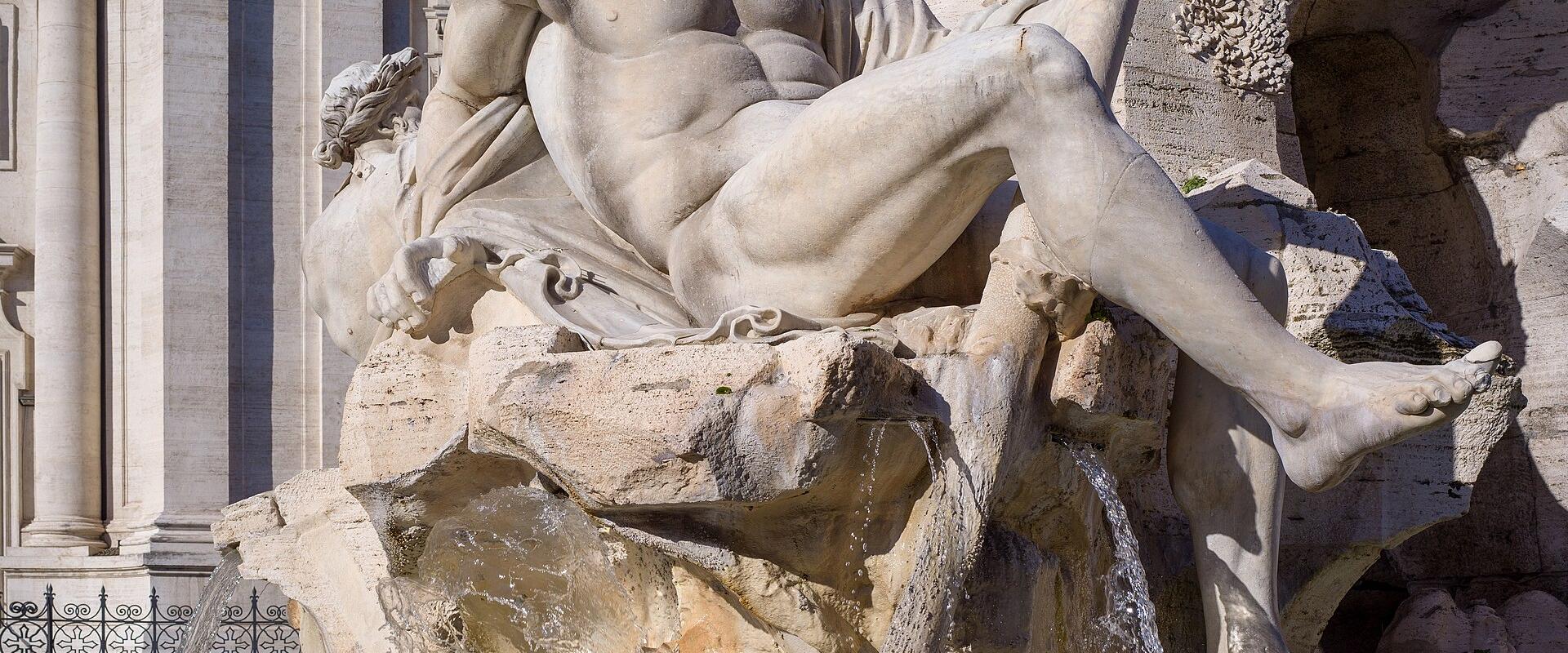
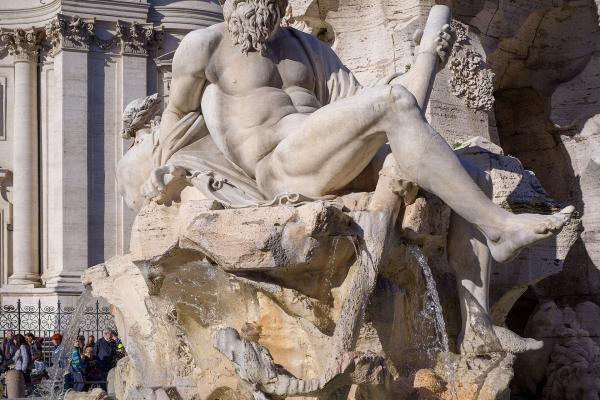
The centrepiece is the Fountain of the Four Rivers, designed by Gian Lorenzo Bernini and completed in 1651. Four muscular river gods, representing the Danube, Nile, Ganges and Rio de la Plata, sit around a rock crowned by an Egyptian obelisk. One of the gods shields his face with his hand, and a popular story says he is recoiling from the facade of the church across the way; the story is charming but is likely a legend, since the fountain was finished first. At the south end stands the Moor Fountain, with Bernini’s figure of a Moor wrestling a dolphin, while the northern fountain shows Neptune among sea creatures.
The church of Sant'Agnese in Agone, with a curved facade and a dome by Francesco Borromini and others, marks the western edge. It is dedicated to a young martyr who, according to tradition, was condemned on this very spot. Inside, an underground chapel preserves part of the Roman stadium structure, and the church is a quiet contrast to the crowds outside.
The square forms part of the Historic Centre of Rome, a UNESCO World Heritage Site. Entry to the piazza is free and it is open at all hours. The best times are early in the morning, when the square is nearly empty and the stone glows in low light, and in the evening, when lamps come on and the cafes fill. Artists set up easels, musicians play, and street sellers line the edges, so expect a lively and sometimes touristy atmosphere, and be wary of overpriced cafe tables. Piazza Navona sits only a short walk from the Pantheon and the Trevi Fountain, and it works well as a stop on a stroll through the historic core, a place to sit and take in Baroque Rome at leisure.
More photos coming soon
Hours & Fees
- Open
- Open daily (public square)
- Admission
- Free admission
Hours and prices change, especially out of season. Check with the venue before you go.
Nearby Attractions
Other places to visit in Rome
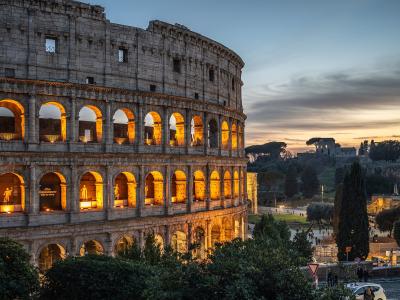
The Colosseum
Largest ancient amphitheater, built 70-80 AD
Ancient Ruins · Architectural Monuments
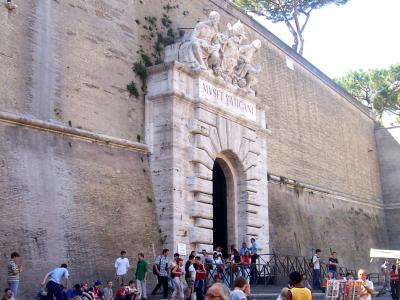
Vatican Museums
Papal museums housing Renaissance masterpieces
From €5 History & Heritage · Museums & Culture
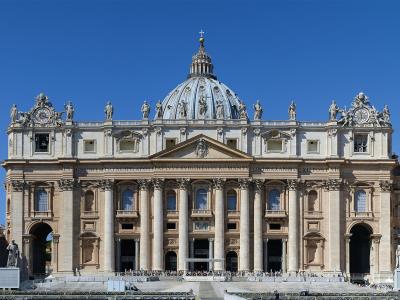
Vatican City (St. Peter's Basilica)
Renaissance basilica on Saint Peter's burial site
Architectural Monuments · Art Museums
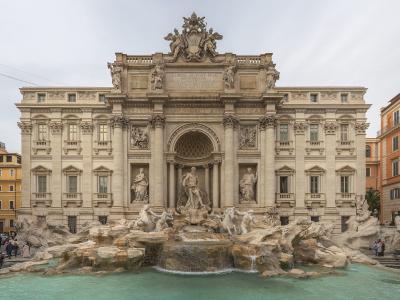
Trevi Fountain
18th-century Baroque fountain in Rome
From €2 Architectural Monuments · Historic Fountains
Questions people ask
Quick Facts
Best Time to Visit
Visit in April to June or September to October for mild temperatures and fewer crowds.