







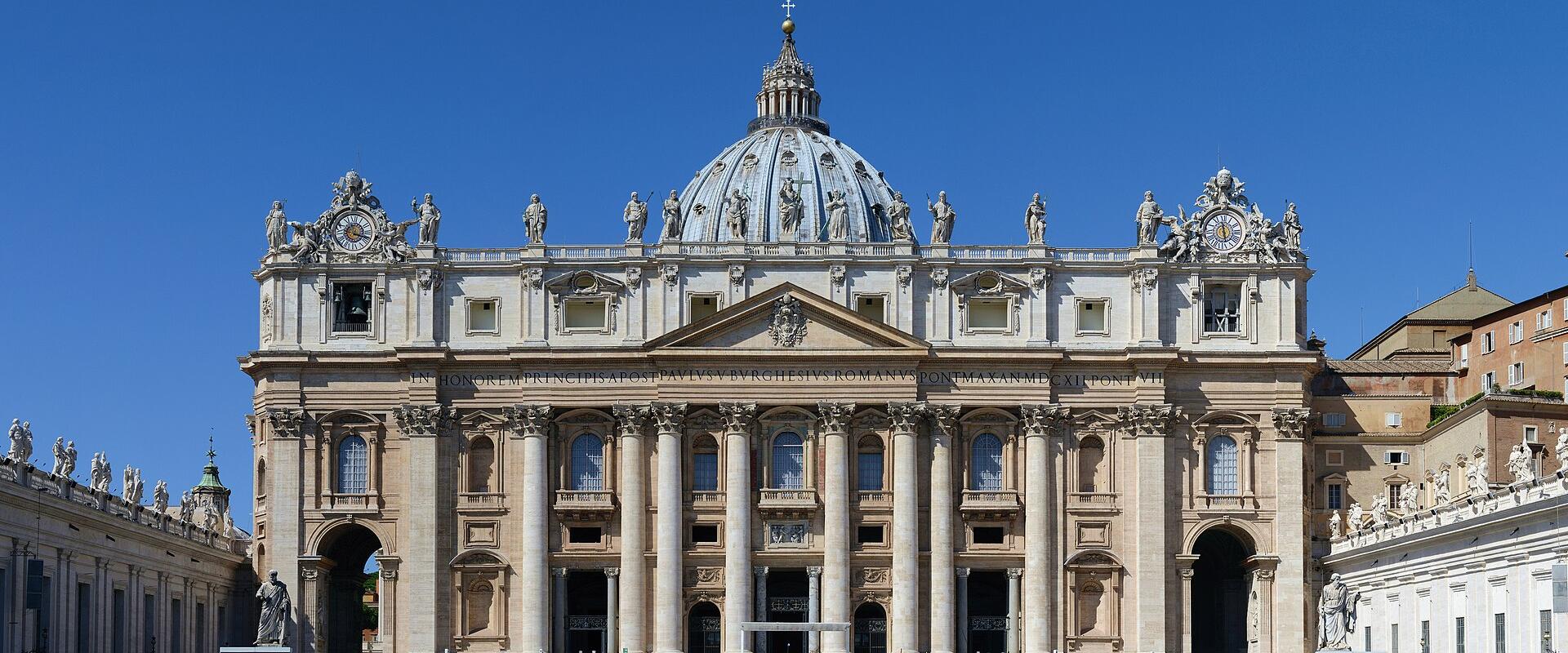
Vatican City (St. Peter's Basilica)
Renaissance basilica on Saint Peter's burial site
- Where
- Rome, Lazio
- Directions
- Directions
St. Peter’s Basilica is among the largest Christian churches in the world and the centrepiece of Vatican City, the walled papal state set inside Rome. It is a Roman Catholic papal major basilica, built over the site traditionally held to be the burial place of Saint Peter, the apostle said to have been martyred in Nero’s circus nearby. A first basilica ordered under Constantine in the 4th century stood here for more than a thousand years before Renaissance popes decided to replace it, and the rebuilding that followed ran across much of the 16th and early 17th centuries. The present church was consecrated on November 18, 1626.
Almost every great architect of the age had a hand in it. Bramante laid out the first plan, Michelangelo took over in his seventies and designed the dome, and Carlo Maderno later lengthened the nave and built the facade. Gian Lorenzo Bernini then furnished the interior and gave the church its forecourt. The basilica measures 220 meters in length and about 136.6 meters in height, and it can hold some 60,000 people standing, which explains why the interior feels so open even when crowds fill it.
Inside, the first stop for most visitors is Michelangelo’s Pietà, carved when he was still in his early twenties and set in the first chapel on the right, behind glass. Further along, Bernini’s Baldacchino, a bronze canopy rising roughly as high as a modern ten-storey building, stands over the papal altar, and the tomb of Saint Peter is traditionally placed beneath it. Look for the bronze statue of Saint Peter near the nave, whose foot has been worn smooth by centuries of touching, and for the many papal monuments along the aisles.
The dome can be climbed by stairs or part-way by lift, and the final narrow passage between the inner and outer shells is tight and steep. The reward is a wide view over the colonnades of St. Peter’s Square, the Vatican Gardens and the rooftops of Rome. Visitors enter the main basilica free, and the dome carries a ticket; the Vatican Museums and the Sistine Chapel are separate buildings with their own entrance and queue. Security checks are mandatory for all guests, so expect a line at the square before you reach the doors. A dress code applies: shoulders and knees should be covered.
The Vatican City UNESCO World Heritage Site, designated in 1984, includes the basilica and square together. Early morning is generally the calmest time, and the church can close or restrict access during papal ceremonies and major religious events, so check the official Vatican website before going. The basilica suits pilgrims, art lovers and anyone curious about how faith, money and artistic ambition shaped Renaissance and Baroque Rome. Allow at least two hours, longer if you add the dome, and consider a quiet few minutes at the Pietà after the crowds have thinned.
Categories
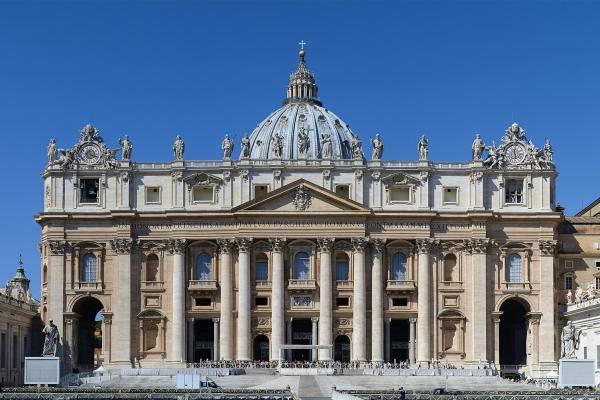
More photos coming soon
Nearby Attractions
Other places to visit in Rome
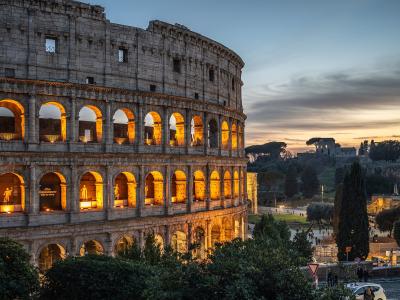
The Colosseum
Largest ancient amphitheater, built 70-80 AD
Ancient Ruins · Architectural Monuments
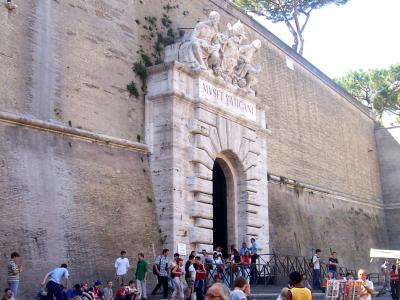
Vatican Museums
Papal museums housing Renaissance masterpieces
From €5 History & Heritage · Museums & Culture
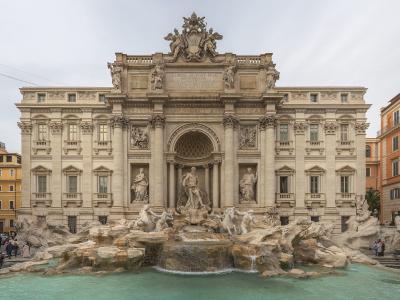
Trevi Fountain
18th-century Baroque fountain in Rome
From €2 Architectural Monuments · Historic Fountains
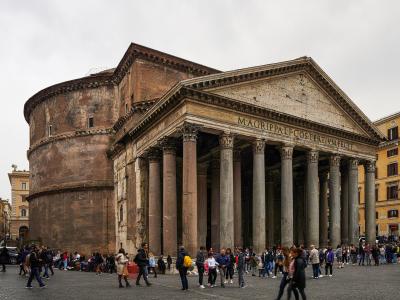
Pantheon
Hadrian's temple with the world's largest unreinforced concrete dome
From €2 Ancient Ruins · Architectural Monuments
Questions people ask
Quick Facts
Best Time to Visit
Visit in April to June or September to October for mild temperatures and fewer crowds.