







- Where
- Rome, Lazio
- Directions
- Directions
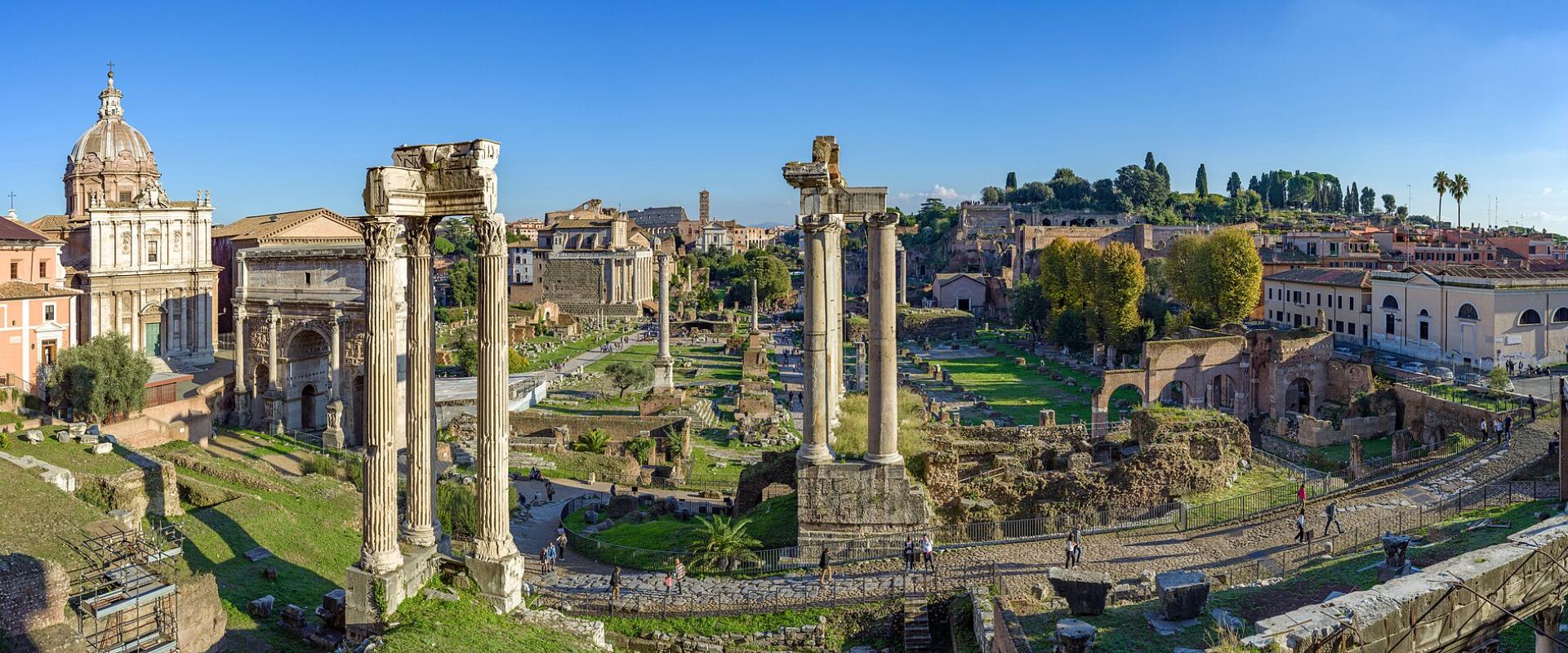
The Roman Forum, the civic center of ancient Rome, called the Foro Romano in Italian, lies in the low ground between the Palatine and Capitoline Hills, a short walk from the Colosseum. For about a thousand years it was the main stage of Roman public life. Here the Senate met, magistrates held court, orators spoke from the Rostra, and victorious generals paraded along the Via Sacra to the Capitoline. Temples, law courts, markets and monuments to emperors crowded the space, which was repeatedly rebuilt after fires and each new ruler added his own mark.
After the fall of the Roman Empire in the west the area was gradually abandoned. Earth covered the paving, stone was reused for new buildings, and in the Middle Ages the site became pasture known as the Campo Vaccino, the cow field. Systematic excavation began in the 19th century and continues, which is why the ruins can look like a jumble of columns, bases and brick stumps at first glance. A little orientation helps a great deal.
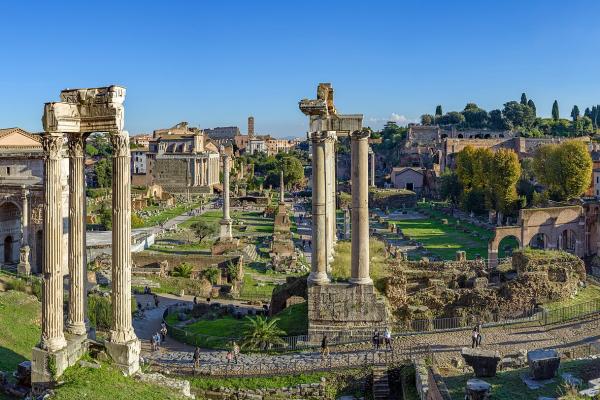
One of the best-preserved buildings is the Curia Julia, the Senate house, whose brick walls and interior floor survive largely because it was later converted into a church. Three tall columns remain of the Temple of Castor and Pollux, while eight granite columns of the Temple of Saturn still carry part of their entablature. The Arch of Titus, at the eastern end, celebrates the capture of Jerusalem in AD 70 and has relief panels showing soldiers carrying the menorah. At the opposite end, the Arch of Septimius Severus, dating to AD 203, carries long panels of victory scenes. The vast, vaulted Basilica of Maxentius and Constantine hints at the scale of late-imperial law courts and meeting halls.
Other highlights include the circular Temple of Vesta, where the sacred fire was tended by the Vestal Virgins, and the nearby House of the Vestals with its rectangular garden pools. The Temple of Antoninus and Faustina still stands remarkably intact thanks to its later use as a church, and a single tall column, that of Phocas, rises in front of the Rostra.
Visitors move on foot along uneven stone paths, and some areas have little shade, so comfortable shoes, a hat and water in summer are worth bringing. Because the site is usually visited together with the Palatine Hill and the Colosseum, many travellers combine the three into one long day or split them in two; early opening and late afternoon are the quietest windows. Signs help, but a guidebook, audio guide or guided tour makes the ruins much easier to read. Nearby metro stops and bus routes serve the area. The Forum rewards people who enjoy ancient history and who like to imagine a crowded Roman morning among the standing columns and fallen blocks, with the Capitoline Hill above them.
Categories
More photos coming soon
Nearby Attractions
Other places to visit in Rome
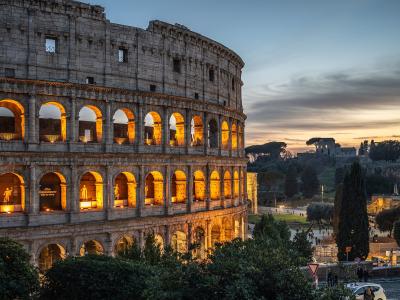
The Colosseum
Largest ancient amphitheater, built 70-80 AD
Ancient Ruins · Architectural Monuments
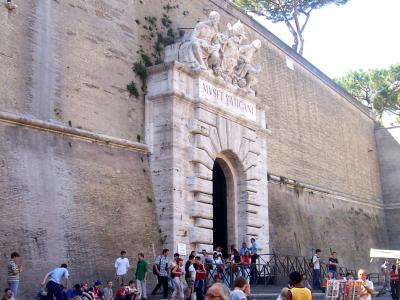
Vatican Museums
Papal museums housing Renaissance masterpieces
From €5 History & Heritage · Museums & Culture
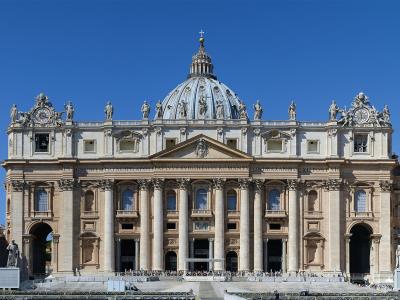
Vatican City (St. Peter's Basilica)
Renaissance basilica on Saint Peter's burial site
Architectural Monuments · Art Museums
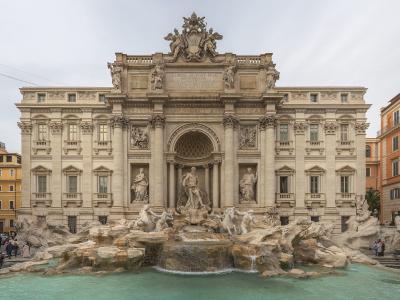
Trevi Fountain
18th-century Baroque fountain in Rome
From €2 Architectural Monuments · Historic Fountains
Questions people ask
Quick Facts
Best Time to Visit
Visit in April to June or September to October for mild temperatures and fewer crowds.