3 days
Extended Rome Experience
Three-day Rome itinerary covering ancient sites and Vatican highlights
View Itinerary →
Ancient and Vatican highlights in 2 days
Explore the monumental heart of the Roman Empire in the morning, followed by an immersive evening in the bohemian Trastevere neighborhood.
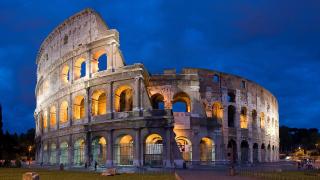
The Colosseum
Start early to beat the crowds and heat. Explore the largest ancient amphitheater, built in 70-80 AD. Pre-booked timed entry is essential.
Roman Forum
Adjacent to the Colosseum, walk through the ancient political center with ruins of temples and basilicas. Same ticket as Colosseum.
Lunch near Monti
Enjoy a casual lunch in the Monti district, just a short walk from the Forum. Try traditional pasta or pizza.
The Pantheon
Walk to the Pantheon to see the world's largest unreinforced dome. Arrive before it gets too crowded. Note: Free entry may require a small fee or reservation depending on current rules.
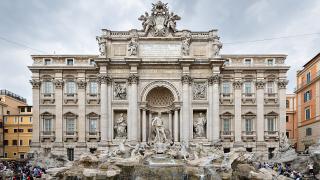
Trevi Fountain
A short walk from the Pantheon. Throw a coin in the 18th-century Baroque fountain to ensure your return to Rome.
Gelato Break
Grab authentic gelato from a nearby shop before heading towards the Tiber.
Trastevere Neighborhood
Explore the historic cobblestone streets, vibrant squares, and medieval architecture. Perfect for evening strolls.
Dinner in Trastevere
Enjoy authentic Roman cuisine (Cacio e Pepe or Carbonara) at a traditional trattoria in Trastevere.
Where to stay: Stay in Monti or near Termini for easy access to Day 1 sites and transport links.
Getting around: Most sites are walkable from each other. Use a taxi or bus if tired after the Forum.
Dive into Renaissance art and history in Vatican City, followed by a relaxing afternoon in central Rome's iconic squares.
Vatican Museums
Start early to see the Sistine Chapel and Renaissance masterpieces before the massive crowds arrive. Pre-booking is mandatory.
St. Peter's Basilica
Enter the basilica directly from the museums or via the main square. Admire Michelangelo's Pietà and the grand dome.
Lunch near Vatican
Quick lunch near the Vatican walls or head towards the city center.
Castel Sant'Angelo
View Hadrian's Mausoleum turned fortress from the outside or visit inside for panoramic views of the Tiber.
Piazza Navona
Stroll through this 17th-century Baroque square featuring Bernini's Fountain of the Four Rivers.
Borghese Gallery
Visit the timed-entry art gallery in Villa Borghese gardens. See works by Bernini and Caravaggio. Requires advance booking.
Villa Borghese Gardens
Relax in Rome's public park, enjoying the greenery and views from the Pincio Terrace.
Spanish Steps
End the day at the Baroque travertine steps, a UNESCO site. Great for people-watching.
Dinner near Spanish Steps
Enjoy a farewell dinner in the upscale area near the Spanish Steps or Campo de' Fiori.
Where to stay: Same accommodation as Day 1. If moving hotels, Campo de' Fiori is central for Day 2.
Getting around: Use the Metro (Line A) to get from Vatican to Spanish Steps/Borghese area efficiently.
Three-day Rome itinerary covering ancient sites and Vatican highlights
View Itinerary →7-day Apulia tour: Lecce, Salento wine, and coastal villages
View Itinerary →