

Venice
Historic lagoon city built on 118 islands with unique canal network
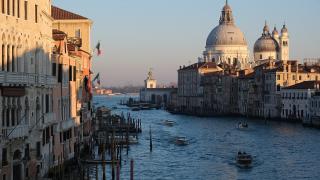
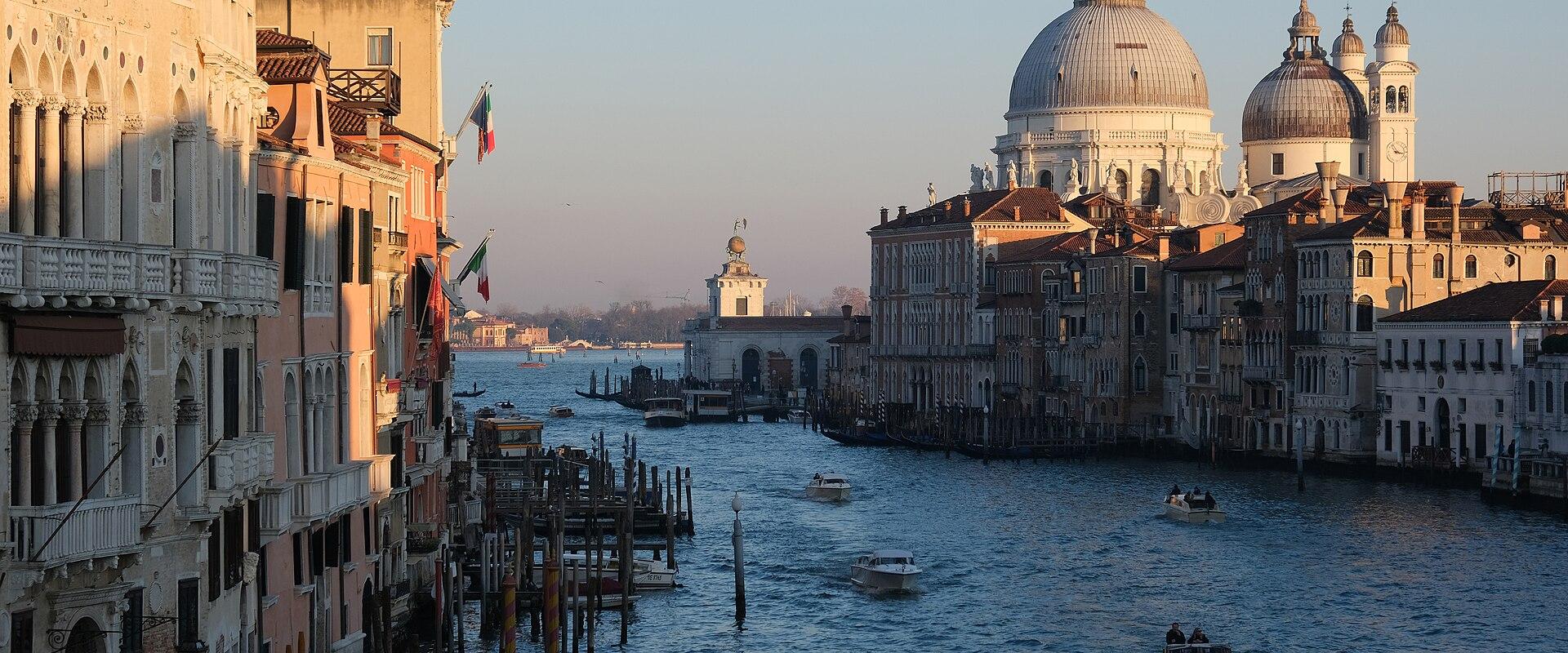
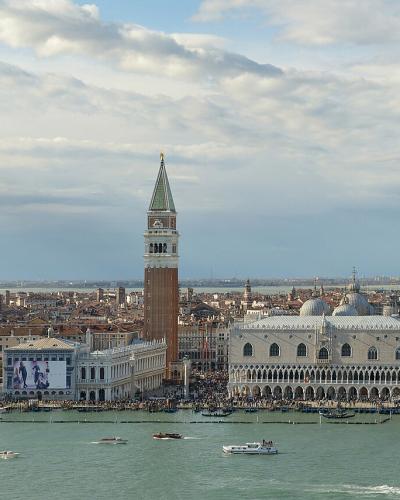
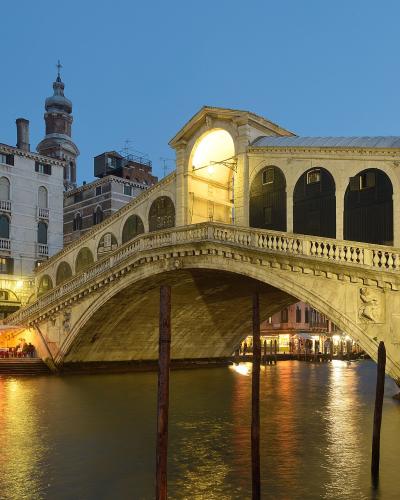
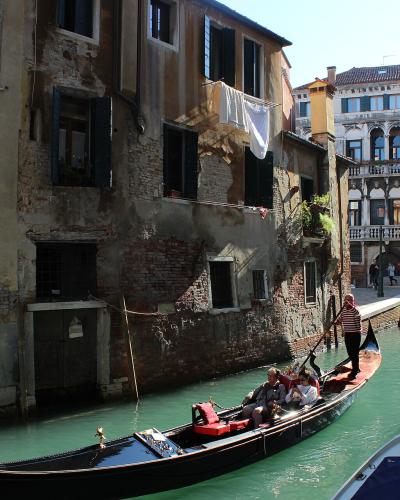
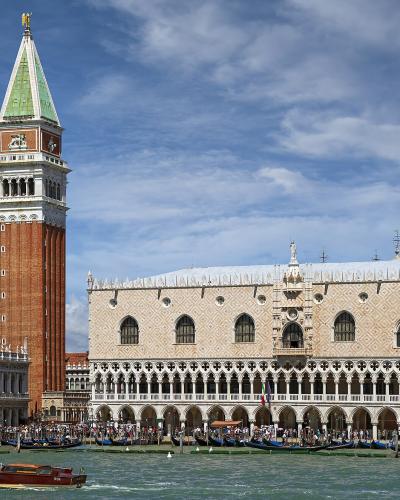
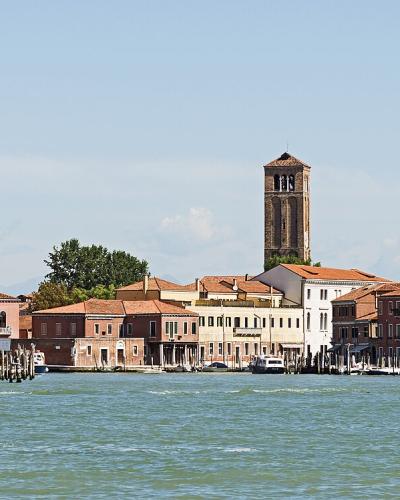
Venice is a city of extraordinary historical and architectural significance, situated in the Veneto region of northeastern Italy. Built on 118 small islands in a shallow lagoon, the city is connected by 438 bridges and traversed by a network of canals that serve as its primary thoroughfares. The historic center is divided into six sestieri: Cannaregio, Castello, Dorsoduro, San Marco, San Polo, and Santa Croce. Venice's history dates back to the 5th century when refugees from the mainland fled to the lagoon to escape barbarian invasions. By the Middle Ages, Venice had grown into a powerful maritime republic, controlling trade routes across the Mediterranean and serving as a gateway between Europe and the East. This wealth fueled an explosion of artistic and architectural achievement, evident in the city's Byzantine, Gothic, and Renaissance structures. The Republic of Venice was known for its political stability and relative religious tolerance, maintaining its independence for over a millennium until its fall in 1797. Today, Venice is a UNESCO World Heritage Site and a premier cultural destination. Key attractions include St. Mark's Square (Piazza San Marco), the heart of the city, surrounded by St. Mark's Basilica, with its golden mosaics, and the Doge's Palace, a masterpiece of Gothic architecture that once housed the ruling doge. The Rialto Bridge, the oldest and most famous bridge spanning the Grand Canal, connects the districts of San Polo and San Marco. The Grand Canal itself is a major attraction, lined with palaces and palazzos, best experienced via a vaporetto (water bus) or gondola ride. Beyond the main islands, the lagoon contains notable islands such as Murano, famous for its glassmaking tradition, and Burano, known for its colorful houses and lace-making. Activities in Venice include exploring its numerous museums, such as the Gallerie dell'Accademia, which houses an extensive collection of Venetian art, and attending cultural events like the Venice Biennale or the Venice Film Festival. The city also offers culinary experiences featuring fresh seafood and local wines. Getting to Venice is primarily by train to Santa Lucia station or by air to Marco Polo Airport, followed by a vaporetto or water taxi ride. The city is pedestrian-only, so visitors must navigate on foot or by water. The best time to visit Venice is from April to June and September to October. During these months, the weather is mild and pleasant, with average temperatures ranging from 15°C to 25°C, making it ideal for walking and outdoor activities. Summer months can be extremely hot, humid, and crowded, while winter is cold and damp, with the risk of high tides (acqua alta) flooding the lower parts of the city. Avoiding peak summer and major holiday periods can help mitigate the impact of overtourism.
Best Time to Visit
Visit in April to June or September to October for mild weather and fewer crowds.
Did you know?
Interesting, verified facts about Venice
Venice Has a Distinct Local Story
HistoryVenice, known as La Serenissima, is a unique urban center rising from the shallow waters of the Venetian Lagoon in northeastern Italy.
Source: Venetian LagoonIn 1902, St Mark's Bell Tower Fell — Killing Only a Cat
HistoryOn the morning of 14 July 1902, the almost 99-metre Campanile di San Marco — Venice's tallest structure — suddenly collapsed into a heap of rubble, and the sole fatality was the custodian's cat. The city council resolved that same period to rebuild it "dov'era e com'era" ("where it was and how it was"), and the replica tower was inaugurated on 25 April 1912, St Mark's feast day. The tower you climb today is that 1912 reconstruction, not the medieval original.
Source: WikipediaVenice Has Another Verifiable Detail
HistoryLocated in the Veneto region, Venice was once the capital of a powerful maritime republic that dominated trade between Europe and Asia.
Source: Venice - WikipediaPlan Your Visit to Venice
Essential travel tips and information for your trip to Venice.
Suggested Itineraries
One Day in Venice
1 dayOne-day Venice itinerary covering Rialto, St. Mark's, and bacari
View ItineraryExtended Venice Experience
3 daysThree-day Venice itinerary covering main sights and lagoon islands
View ItineraryTravel Tips
Currency
EUR • Cards widely accepted
Language
Italian • English in tourist areas
WiFi
Free WiFi in cafes and hotels
Explore Venice by Interest
Discover attractions and experiences in Venice organized by your interests and travel preferences.





All attractions in Venice
Sorted by our recommendation score

Quick Facts
Book your stay
Frequently Asked Questions
More destinations in Veneto and the Dolomites
Explore other amazing places in the Veneto and the Dolomites region