







Pisa’s history goes back to the Etruscans and Romans, but it reached its height as a powerful maritime republic during the Middle Ages. From the 11th to the 13th centuries Pisa dominated the Mediterranean, competing with Venice, Genoa, and Amalfi for trade and naval supremacy. This wealth funded the construction of its magnificent religious and civic buildings. The city’s power then declined after defeats by Genoa, the most decisive at the naval battle of Meloria in 1284. In the 14th and 15th centuries Pisa came under the influence of Florence, and later became part of the Grand Duchy of Tuscany. The 19th and 20th centuries saw the city develop into a centre of education and culture, anchored by the University of Pisa, founded in 1343. The city is also the birthplace of Galileo Galilei. Today Pisa preserves its medieval core while serving as a modern academic hub.
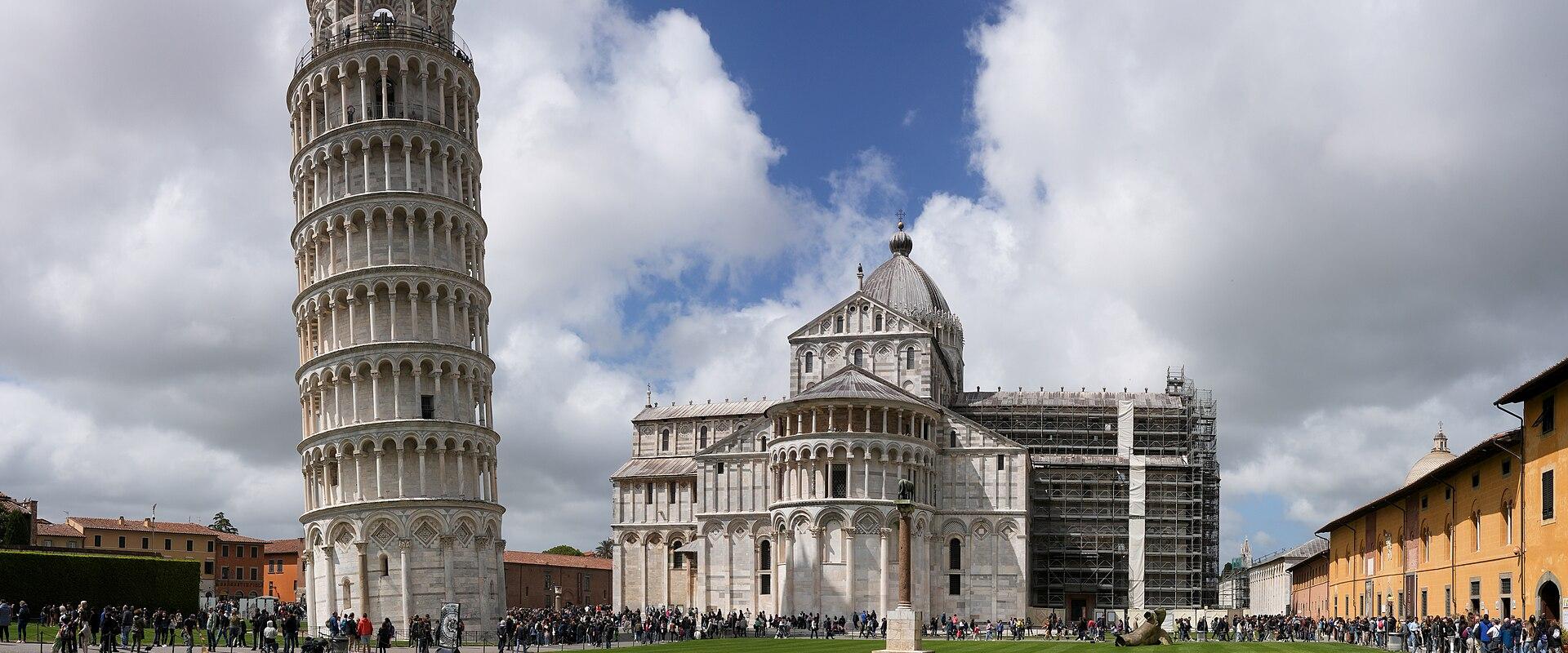
The main attractions are concentrated in the Piazza dei Miracoli (Square of Miracles), also called Piazza del Duomo. This UNESCO-listed complex includes the Leaning Tower, the Cathedral of Santa Maria Assunta, the Baptistery of San Giovanni, and the Camposanto Monumentale. The Leaning Tower, a freestanding bell tower, is famous for its unintended tilt, which began during construction in the 12th century because of unstable soil; engineering work in the late 20th century stabilized it. The Cathedral, a masterpiece of Pisan Romanesque architecture, has layered marble facades and a rich interior. The Baptistery, the largest in Italy, is known for its acoustics and combines Romanesque and Gothic architecture. The Camposanto is a monumental cemetery with frescoes and ancient sarcophagi.
Beyond the square the city has the Lungarni, the embankments along the Arno River, which are fine for leisurely walks, and the Ponte di Mezzo, a historic bridge. The small Gothic church of Santa Maria della Spina stands on the river bank. The Palazzo Reale and the university buildings reflect Pisa’s academic heritage, and the Palazzo Blu on the river is a cultural venue with exhibitions of art. The Orto Botanico di Pisa, established in 1544, is one of the oldest university botanical gardens in the world. The Mercato di Pisa, in Piazza delle Vettovaglie, is a lively food market, and the surrounding streets are good for lunch.
Activities in Pisa include exploring the historic sites, visiting museums, and enjoying the riverside. The city is known for traditional Tuscan cuisine, including ribollita, pappa al pomodoro, and local wines. Visitors can take boat trips on the Arno or explore the nearby coastal town of Viareggio. The surrounding countryside offers cycling routes through vineyards and olive groves. Pisa also hosts festivals and events, including the Regata delle Antiche Repubbliche Marinare, a historic boat race among the old maritime republics, and the Gioco del Ponte, a costumed contest on the Ponte di Mezzo in June. Shopping includes local ceramics, textiles, and food products. For those interested in history, guided tours explore the maritime republic era and the architectural evolution of the city.
Getting to Pisa is convenient by rail and air. Pisa International Airport (Galileo Galilei Airport) is about 4 kilometres from the city centre, with domestic and international flights. The city has two main railway stations, Pisa Centrale and Pisa San Rossore, with high-speed connections to Florence, Rome, and Milan. By car, the A11 and A12 motorways provide easy access.
The best time to visit Pisa is from April to June or September to October, when the weather is mild and pleasant, ideal for outdoor attractions and historic sites. July and August are peak tourist months, with higher temperatures and larger crowds. Winter is mild but can be rainy. Despite the seasonal variations, Pisa’s landmarks and cultural richness make it a rewarding destination year-round.
Best time to visit
Visit between April and June or September and October for mild temperatures and fewer crowds.
What to see in Pisa
Our picks first.
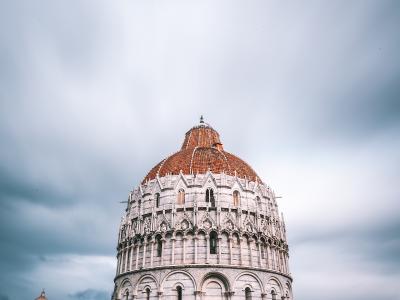
Baptistery of St. John
Italy's largest baptistery in Pisa's Piazza dei Miracoli
From €11 Architectural Monuments · Cultural Tours
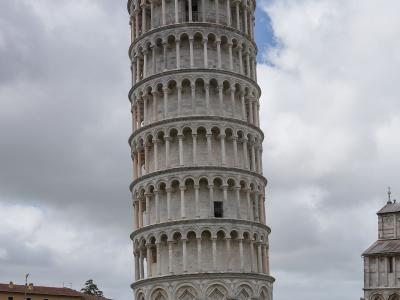
Leaning Tower of Pisa
Freestanding Romanesque bell tower with a 4-degree lean
From €20 Architectural Monuments · Historic Churches
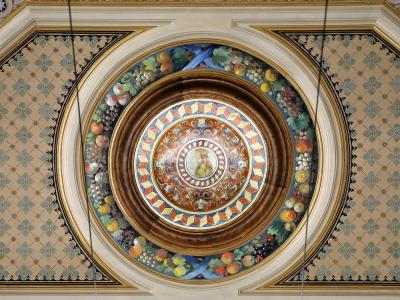
Palazzo Blu
Historic art and culture center in Pisa
From €3 Art Museums · Cultural Centers
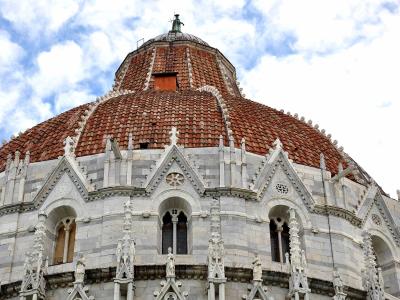
Piazza dei Miracoli (Square of Miracles)
Historic square with the Leaning Tower
Architectural Monuments · Historic Churches
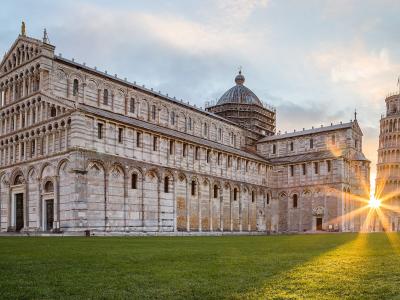
Pisa Cathedral (Duomo di Pisa)
1092 Pisan Romanesque cathedral in Piazza dei Miracoli
Architectural Monuments · Cultural Tours
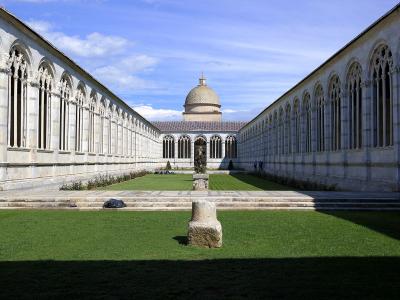
Campo Santo Monumentale
13th-century cemetery with sacred Golgotha soil
History & Heritage · Museums & Culture
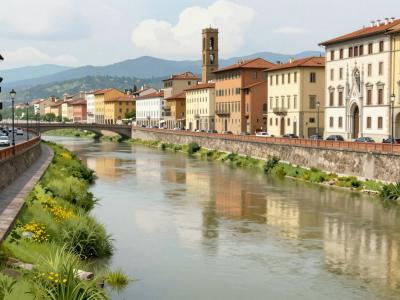
Lungarni (Arno River Banks)
Riverside promenade lined with historic palaces and museums
City Promenades · Historic Districts
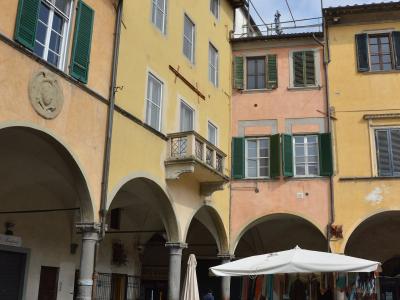
Mercato di Pisa
Historic arcaded food market with medieval towers
Free Historic Districts · Local Cuisine
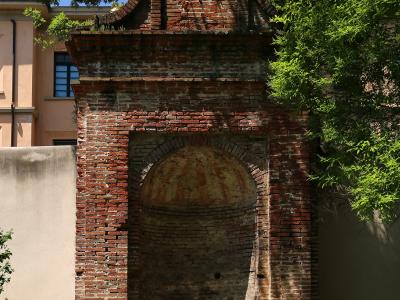
Orto Botanico di Pisa
1591 botanical garden and museum
From €4 Botanical Gardens · Educational Sites
Pisa by interest
The same sights, grouped by what you came for.
Did you know?
Checked facts about Pisa, each with its source.
-
Film & TV
Superman Straightened the Leaning Tower, Then Restored It
In "Superman III" (1983), Superman, corrupted by synthetic Kryptonite, commits petty vandalism that includes straightening the Leaning Tower of Pisa. Once he is back to his normal self at the end of the film, he puts things right, including restoring the tower's famous lean.
Source: What's After the Movie (Superman III plot summary); also Empire review -
Record
Pisa's Piazza del Duomo Became UNESCO-Listed in 1987
In December 1987 Pisa's Piazza del Duomo, the square also known as the Piazza dei Miracoli, joined the UNESCO World Heritage List. The listed site covers the cathedral, the baptistery, the bell tower (the Leaning Tower) and the Camposanto, the monumental cemetery.
Source: Pisa Tourism (Comune di Pisa)
Planning a visit to Pisa
Good to know
- Currency
- EUR
- Language
- Italian
Quick Facts
Book your stay
Questions people ask
More places in Tuscany
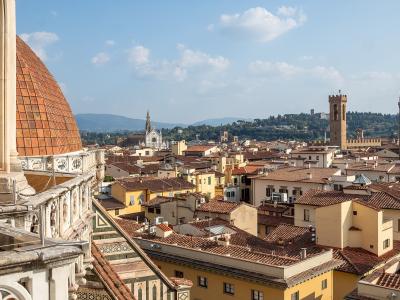
Tuscany
Florence
Birthplace of the Renaissance with iconic art and architecture
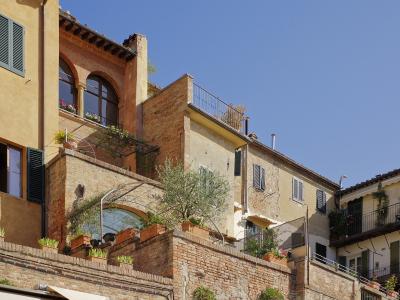
Tuscany
Siena
UNESCO-listed medieval city in Tuscany known for the Palio horse race
Tuscany
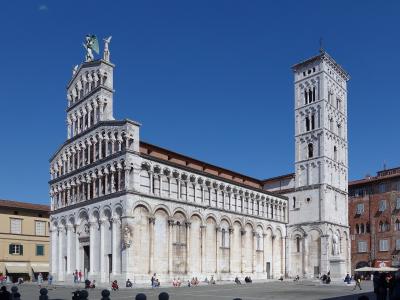
Lucca
Walled Tuscan city with intact ramparts, medieval towers, and relaxed vibe
Tuscany
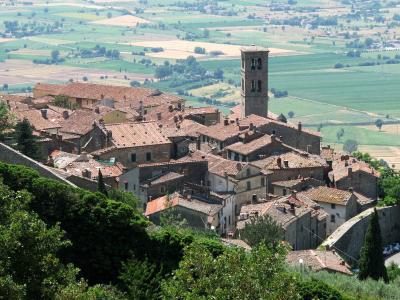
Cortona
Etruscan hill town in Tuscany with panoramic views of Valdichiana