






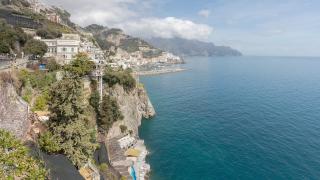
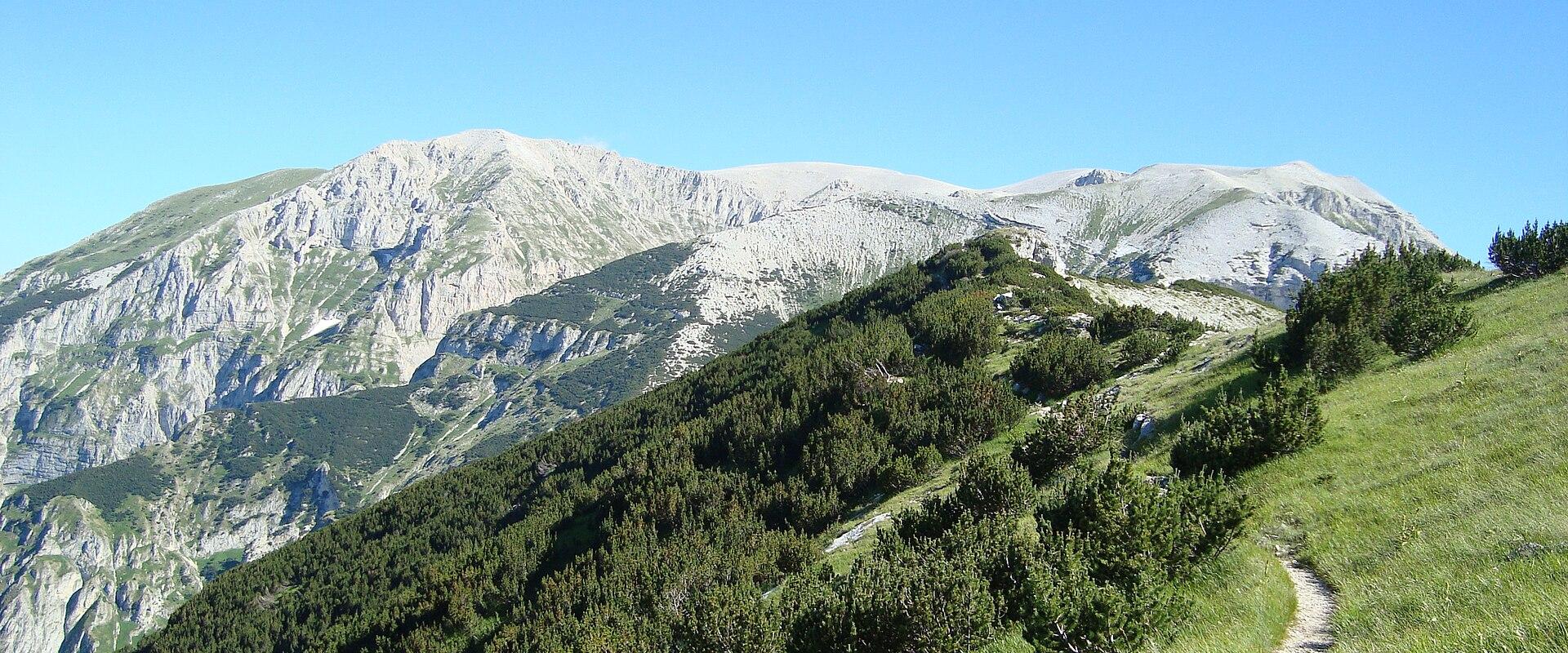
Italy’s terrain splits into Alpine, Apennine, and coastal zones. The Alps dominate the north. The Apennines run the peninsula’s spine. Coastal trails offer sea views. Hikers must distinguish these regions for accurate planning. Trail safety relies on local infrastructure. The Alpine Club (CAI) maintains most paths. Their red and white markers guide hikers. This system ensures reliable navigation across complex terrain. Major parks protect key hiking areas. Gran Paradiso National Park lies in the western Alps. It offers high-altitude trails and wildlife viewing. The Dolomites provide dramatic limestone peaks. These UNESCO sites attract serious mountaineers. Preparation is critical for safety. Rescue data shows significant risks. In 2022, Mountain Rescue teams saved over 10,000 people. More than 5,000 injuries occurred. Hiking caused nearly half of these incidents. Proper planning prevents costly rescues. Use official park locators to find trails. Online tools like Komoot help sketch routes. Always check weather patterns before departure. Understanding regional emergency systems saves lives. Hikers should carry detailed maps. Volunteer teams provide essential support. Responsible hiking preserves these wild spaces.
Trail Classifications and Difficulty Ratings
Italy uses the CAI system to rate trail difficulty. This standard ensures hikers match their skills to terrain. Ratings range from easy to extreme. Understanding these categories prevents accidents and rescue costs. In 2022, Mountain Rescue teams saved over 10,000 people. More than 5,000 injuries occurred during these incidents. Nearly half involved hiking-related errors. Proper planning protects both hikers and volunteers.
The T rating marks easy tourist paths. These trails require no special equipment. E ratings indicate experienced hiking routes. They involve steep slopes and rocky sections. EE ratings demand mountaineering experience. These paths use ropes and ladders. EEA ratings represent extreme alpine routes. They require technical climbing skills and gear.
Seasonality drastically changes trail conditions. Snow persists on high-altitude routes until June. Summer heat increases dehydration risks in southern parks. Always check current weather before departure. Use park locators to find official trails. Online tools like Komoot help sketch routes. Verify terrain information before starting. Never underestimate Italian mountain weather. Match your ability to the specific rating. This practice ensures a safe and enjoyable experience across the Alps and Apennines.
Essential Safety Protocols and Emergency Response
Italy’s emergency system relies on two primary numbers. Dial 112 for general emergencies. Use 118 for medical ambulance services. Response times vary significantly by region. Remote Alpine trails often face longer delays. Hikers must prepare for this variability. Rescue operations in Italy are not always free. Negligence can result in substantial financial penalties. Authorities charge fees for unnecessary rescues. In 2022, Mountain Rescue teams saved over 10,000 people. More than 5,000 injuries were recorded that year. Tragically, 504 fatalities occurred. Nearly half involved hiking accidents. Proper preparation prevents these costly outcomes. Always locate official trails using park locators. Use digital tools like Komoot to map routes. Carry detailed terrain maps and current weather data. Italy’s trails range from Dolomites to Cinque Terre. Each zone presents unique wildlife and terrain risks. Check local regulations before entering national parks. Volunteer rescue teams protect hikers daily. Your safety ensures their safety. Plan routes carefully to avoid preventable incidents. Carry sufficient water and first aid supplies. Inform others of your planned itinerary. This simple step aids rapid response if needed. Respect trail closures and warning signs. They exist for critical safety reasons. Ignoring them increases personal risk and rescue costs. Stay informed about seasonal hazards. Snow and rockfalls affect Alpine paths heavily. Adapt your plans to current conditions. Responsible hiking preserves Italy’s natural heritage.
Permits, Regulations, and Park Access
Italy’s national parks require specific entry protocols. Most major parks mandate advance booking. You must reserve park passes online before arrival. This system manages visitor capacity effectively. Fees vary by region and season. Budget approximately €5 to €10 per person daily. Some parks charge extra for guided tours. Strict regulations protect fragile Alpine ecosystems. Camping is prohibited outside designated zones. Off-trail hiking is generally forbidden in protected areas. Straying from marked paths risks heavy fines. Penalties can exceed €500 for violations. Environmental protection remains a top priority. Hikers must stay on CAI-marked trails only. Littering is strictly prohibited and heavily fined. Dispose of waste in provided bins. Bring reusable containers to minimize trash. Respect wildlife by maintaining safe distances. Do not disturb nesting birds or mammals. Fire bans are common during dry summers. Use only designated fire pits if allowed. Check local park websites for current rules. Regulations change frequently based on weather. Always verify access requirements before hiking. Non-compliance disrupts conservation efforts significantly. Ensure your gear meets park standards. Leave No Trace principles apply everywhere. Protect Italy’s natural heritage responsibly.
Curated Hiking Operators and Guided Services
Hiring certified operators ensures safety on Italian trails. Look for guides affiliated with ANIGM. This association verifies professional standards and local expertise. Certified guides understand regional risks and weather patterns. They prevent accidents that burden rescue teams. In 2022, Italian rescue teams saved over 10,000 hikers. Many incidents resulted from poor planning. Professional guides mitigate these dangers effectively. Services range from guided tours to self-guided packages. Guided options provide real-time terrain analysis. Self-guided packages offer flexibility with detailed maps. Operators often use tools like Komoot for route planning. This supports local economies directly. Revenue stays within mountain communities. Safety assurance remains the primary benefit. You avoid unnecessary rescue costs. Guides know emergency protocols intimately. They carry essential first-aid equipment. This preparation is crucial in remote areas. Choose operators who prioritize trail conservation. Their services enhance the hiking experience. They provide access to restricted zones. This ensures sustainable tourism practices. Verify credentials before booking. Check for recent certifications. Reliable operators maintain high safety records. This protects both hikers and volunteers.