





Italy’s intercity bus network offers a vital alternative to rail travel. It fills gaps where train connections are limited or nonexistent. This mode is particularly useful for reaching smaller towns and rural regions. The market features a clear distinction between national carriers and regional operators. National companies handle long-distance routes across the peninsula. Regional operators manage shorter, local connections within specific provinces. Major national operators include FlixBus, Itabus, and MarinoBus. These companies provide reliable online booking systems and competitive pricing. Buses are significantly cheaper than trains, especially for routes like Rome to Florence. This cost-effectiveness allows budget travelers to allocate funds elsewhere. Services typically offer comfortable seating, Wi-Fi, and charging ports. This infrastructure ensures a stress-free journey for passengers. Additionally, buses produce lower emissions per passenger than planes or trains. This makes them an eco-friendly choice for conscious travelers. Planning tools like OMIO help compare routes and times. They simplify the process of finding the best option. You can easily identify when a bus is faster than a train. This flexibility is crucial for complex itineraries. The network supports both daily commuters and tourists. It connects major cities with hidden gems off the tourist radar. Understanding this landscape helps you navigate Italy efficiently.
Major Carriers and Networks
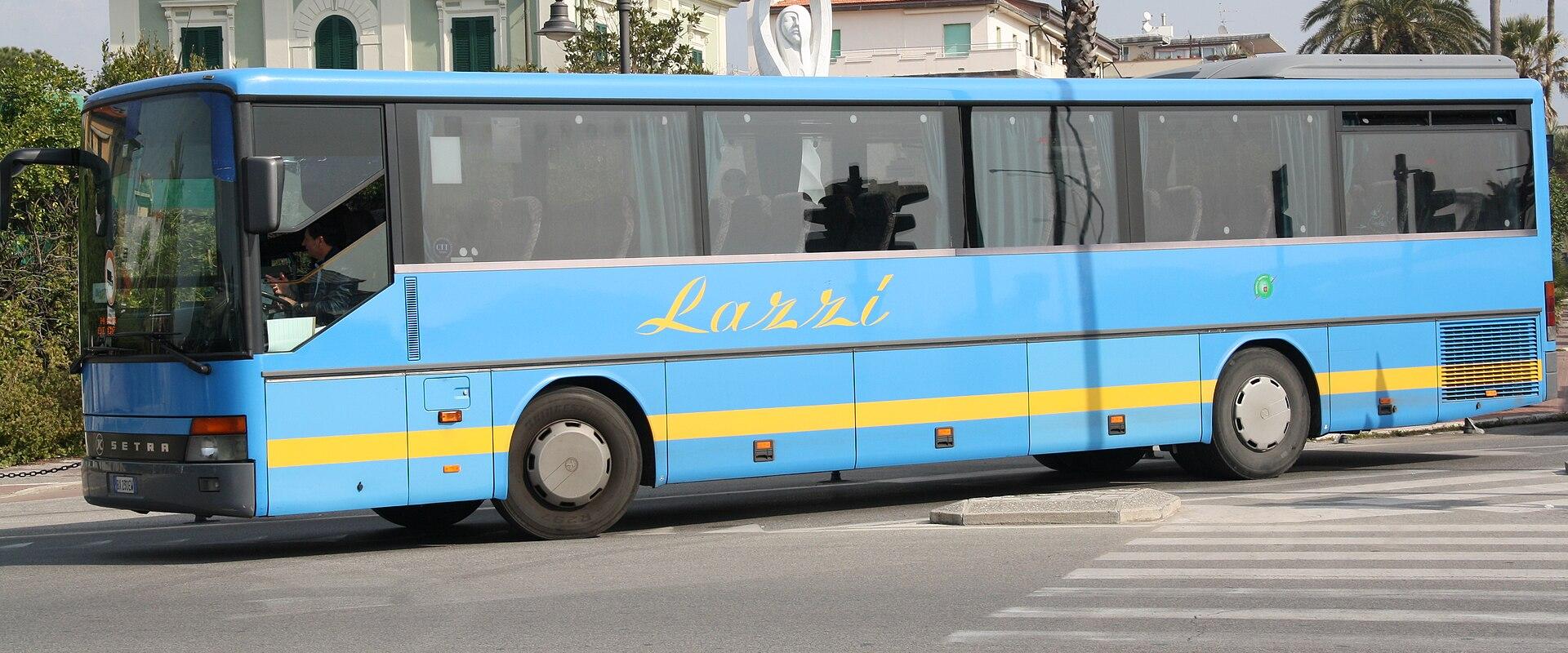
FlixBus, Itabus, and MarinoBus dominate Italy’s national intercity bus market. These operators provide extensive coverage across major cities and smaller towns. FlixBus offers the widest network, connecting Rome, Milan, and Naples efficiently. Itabus focuses on competitive pricing for budget-conscious travelers. MarinoBus serves key routes with reliable schedules and modern fleets. All three carriers emphasize affordability as a core advantage over rail travel. Their services typically include comfortable seating, onboard Wi-Fi, and charging ports. This infrastructure ensures a stress-free journey for passengers. Regional operators like SITA play a crucial role in specific areas. SITA manages vital coastal and lake routes, particularly in the south. These services connect destinations where train lines are absent. Online booking platforms like OMIO simplify ticket purchases significantly. They compare routes, times, and prices across all main operators. Prices fluctuate based on demand and booking timing. Advance booking often yields significantly lower fares. For example, Rome to Florence tickets cost less when reserved early. This dynamic allows travelers to allocate funds elsewhere. Eco-friendly travel is another benefit of choosing buses. Buses produce lower emissions per passenger than trains or planes. This makes intercity bus travel a sustainable choice. The combination of national and regional operators ensures comprehensive coverage. Travelers can reach almost any Italian destination by bus. Flexibility and cost-effectiveness remain the primary advantages. Planning ahead maximizes savings and ensures seat availability.
Ticketing and Booking Strategies
Online booking dominates Italy’s intercity bus market. Travelers primarily use official carrier sites or aggregators like Omio. Omio compares routes, times, and prices across major operators. This tool simplifies finding the best option for your journey. Early booking is crucial for cost savings. FlixBus, Itabus, and MarinoBus offer lower fares for advance purchases. Rome to Florence routes become significantly cheaper when reserved early. Most tickets are non-refundable. Verify your travel date carefully before confirming payment. Mistakes are costly and often irreversible. Regional variations exist in ticketing policies. Some local operators allow physical ticket purchase at stations. However, online methods remain the standard for intercity travel. Digital tickets are the norm. You must present a valid QR code on board. Ensure your device has sufficient battery life. Dead phones mean denied boarding. Reliable connectivity is essential for smooth check-ins. Always download tickets offline as a backup. This strategy prevents issues in areas with poor signal. Planning ahead ensures a stress-free experience. Budget travelers benefit most from this disciplined approach. Smart booking maximizes your Italy travel funds.
Onboard Amenities and Comfort
National carriers like FlixBus and Itabus provide standard amenities. Passengers typically find reclining seats and power outlets. These features support productivity during long journeys. Reliable Wi-Fi is available on most major routes. However, connectivity often fails in rural areas. Tunnels also disrupt signal strength significantly. Regional buses offer a more basic experience. Amenities may be limited or absent entirely. Luggage policies vary by operator and ticket type. Standard carry-on items are usually free. Oversized bags incur additional fees at check-in. Passengers must declare large items beforehand. Accessibility considerations are improving across the network. Many modern coaches accommodate passengers with reduced mobility. Wheelchair spaces are available on select services. Advance booking is often required for these spots. Always verify specific accessibility features when purchasing tickets. Comfort levels depend heavily on the carrier chosen. Budget options may sacrifice some comfort for price. Premium services offer enhanced legroom and amenities. Always check the specific vehicle details before travel.
Italy lacks centralized bus terminals. Intercity buses rarely use dedicated stations. They often stop at peripheral locations or shared hubs. You must verify the exact departure point on your ticket. Addresses can be specific street corners or distant squares. Do not assume a central location. Use local public transport to reach these stations. Buses and trams connect most major hubs. Digital displays at stops are generally reliable. However, staff assistance is limited or nonexistent. Plan for extra time to navigate unfamiliar stops. Arrival points vary by city and operator. Some services drop passengers near historic city centers. Others stop at outer ring roads or industrial zones. Always check your specific ticket details. This prevents confusion upon arrival. FlixBus and MarinoBus use varied drop-off sites. Itabus follows similar patterns. Confirm your final stop before boarding. This ensures smooth urban navigation. Lack of signage can cause delays. Rely on your digital ticket for precise coordinates. This approach minimizes travel stress.
Comparing Buses to Trains
High-speed trains connect major Italian hubs like Rome and Florence in under three hours. Buses require significantly more time for these same routes. You should expect travel durations to double or triple on bus services. This time difference is the primary trade-off for lower costs. Budget travelers often choose buses to save substantial money on tickets. FlixBus and Itabus offer fares that are frequently cheaper than rail options. These carriers provide affordable access for cost-conscious visitors. Buses also reach rural areas and smaller towns that trains cannot. Many Italian villages lack direct rail connections. Bus networks fill this geographic gap effectively. You can access scenic countryside views more easily by road. The landscape passes slowly, offering visual variety. However, traffic impacts bus reliability significantly. Italian city centers often experience heavy congestion. Delays are common during peak hours. Trains maintain stricter schedules on dedicated tracks. You must factor in potential traffic delays when planning bus journeys. Choose trains for speed and punctuality. Select buses for budget savings and remote destinations.