


Understanding the Landscape
Italy remains generally safe for travelers. Violent crime against tourists is rare. The primary risk involves petty crime. Pickpocketing and scams dominate the threat landscape. These crimes are opportunistic in nature. Perpetrators rely on distraction and anonymity. Crowded areas offer the best cover. Rome is notably busy with pickpockets. You must shift your mindset. Fear is unnecessary; preparedness is key. Awareness protects your money and phone. Stay alert in high-traffic zones. Do not leave bags unattended. Keep valuables secure at all times. Vigilance ensures a smooth experience. Italy’s charm remains accessible and safe. Trust your instincts while exploring. Simple precautions prevent most issues. Remain calm and observant. This approach minimizes risk effectively.
Hotspots and High-Risk Zones
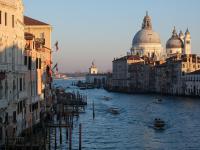
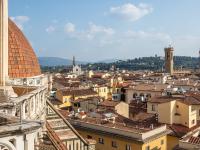
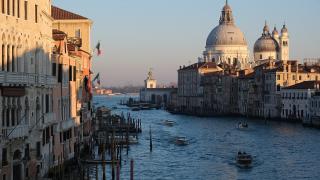
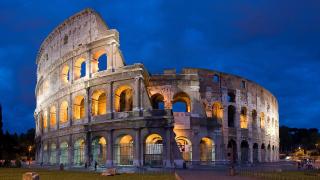
Rome presents significant risks at Termini Station and Metro Line B. The Colosseum area also sees frequent pickpocketing. Florence requires vigilance at Santa Maria Novella Station. Ponte Vecchio and the Duomo area are high-risk zones. Venice demands caution on Vaporetto Line 1. Crowded canalside areas facilitate theft. Milan’s Central Station is a primary target for scammers. Duomo Square in Milan sees high incident rates. These locations concentrate tourists and chaotic crowds. Thieves exploit distraction and physical contact. You must adjust your behavior in these zones. Maintain heightened awareness at all times. Secure bags against your body. Avoid displaying valuables openly. Stay alert during peak transit hours. Do not engage with strangers offering help. Keep wallets in front pockets. Be wary of petition signers. They often distract while accomplices steal. Report any suspicious activity to local police. Prioritize personal safety over convenience. These strategies reduce exposure to common scams. Italy remains safe with proper precautions.
Common Scam Methodologies
Scammers in Italy use specific scripts to target tourists. The gold ring trick involves strangers tying bracelets on your wrist. They then demand payment for the unwanted gift. Avoid this by firmly refusing contact. Fake petitions distract victims with charity requests. While you sign, an accomplice steals your wallet. Stay alert in crowded areas like Rome’s Termini Station. ATM scams involve strangers offering "help" with your card. They may install skimmers or distract you while withdrawing cash. Use machines inside banks whenever possible. Restaurant scams include menu switches or hidden service fees. Always check the bill before paying. Taxi drivers may refuse meters and charge inflated flat rates. Insist on the meter or use licensed apps. Recognize these patterns early. Refuse unsolicited interactions immediately. Walking away is the most effective defense against these common Italian scams.
Pickpocket Tactics and Defense
Italian pickpockets operate in coordinated teams. They use bump-and-grab techniques in crowded areas. A crowd surge often distracts victims. Another team member drops items to create chaos. This distraction allows the theft to occur. You must secure your belongings effectively. Use cross-body bags with inward-facing zippers. Keep bags in front of your body. Avoid placing items in back pockets. Open totes offer easy access for thieves. Do not walk while distracted by your phone. Stay alert in high-traffic zones. Check your pockets after any physical contact. Verify your items after a crowd surge. Public transport is a primary target area. Trains and metros see frequent incidents. Maintain awareness of your surroundings at all times. Do not leave valuables unattended. Vigilance is your best defense against theft. Protect your money and phone carefully. Stay focused on your immediate environment. This approach minimizes risk significantly.
Practical Safety Protocols
Minimize carry. Leave passports and excess cash in hotel safes. Secure accommodations. Use safes and lock windows or balconies. Tech safety. Avoid open phone use in crowds. Stay alert near curbs. Transport. Use licensed taxis only. Verify reputable apps before booking. Emergency prep. Know the local number 112. Save embassy contacts immediately. These steps reduce risk significantly. Petty crime targets distracted tourists. Vigilance prevents most incidents. Keep valuables hidden and secure. Do not display expensive items openly. Trust only official transport services. Verify driver details before entering. Memorize emergency numbers before arrival. Prepare documents digitally and physically. This preparation ensures a safer trip. Italy remains safe with proper caution. Implement these protocols consistently. Your safety depends on your actions. Stay aware of your surroundings. Avoid isolated areas at night. Report any suspicious activity immediately. These measures protect your journey effectively.
Responding to Incidents
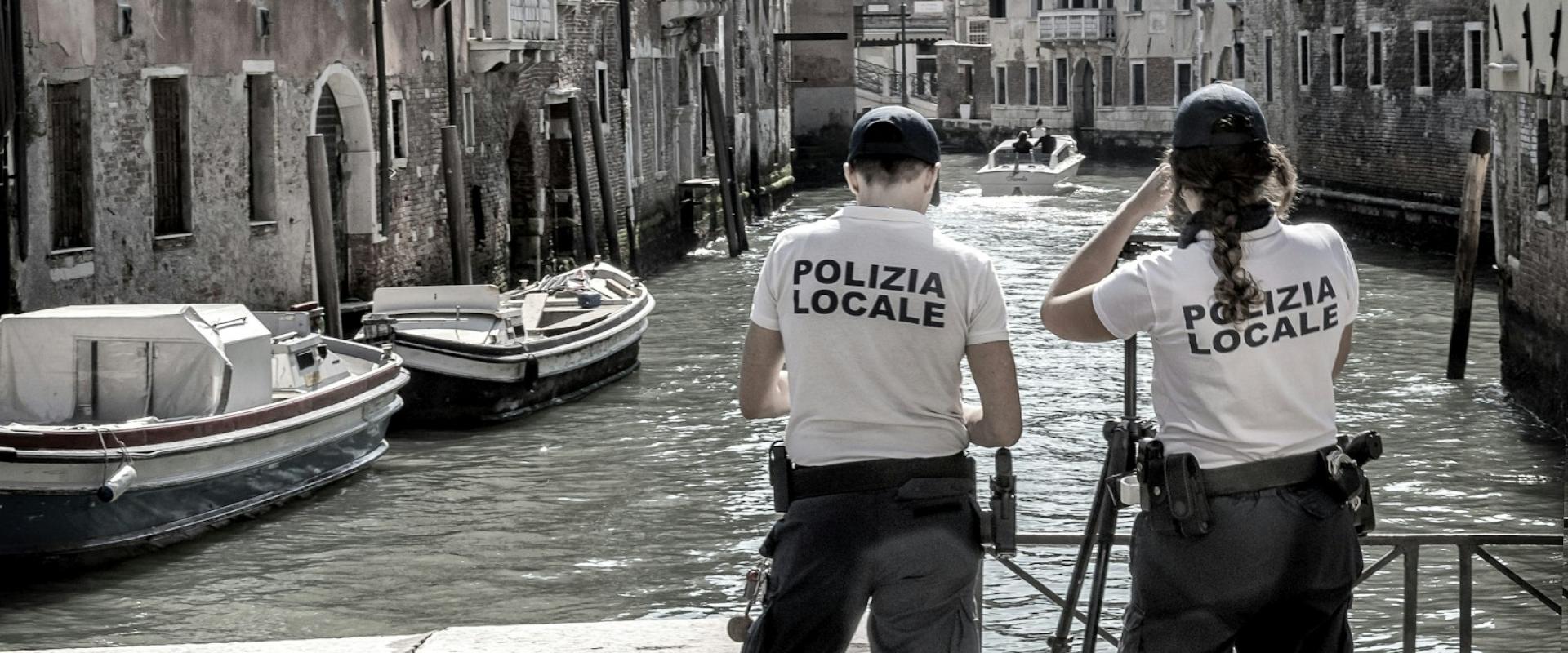
Do not chase perpetrators. Prioritize personal safety above all else. Italian police are the primary response authority. Visit a Polizia or Carabinieri station immediately. Request an official theft report (denuncia). This document is mandatory for insurance claims. Contact your bank without delay. Freeze compromised credit and debit cards instantly. Visit your embassy or consulate for passport replacement. Bring the police report to expedite this process. Keep digital copies of all documents in cloud storage. This ensures access to critical data remotely. Handle scams calmly and firmly. Do not engage in heated arguments. Document incidents if it remains safe to do so. Note descriptions of suspects or vehicles. Report suspicious activity to local authorities. Quick action minimizes financial loss. Secure your remaining belongings immediately. Stay aware of your surroundings. Avoid isolated areas after dark. Italy has specific emergency protocols. Follow local guidance strictly. Cooperation with officials ensures faster resolution. Maintain composure during stressful situations. Clear communication aids police investigations. Verify official identification before sharing personal data. Trust verified sources for assistance.