







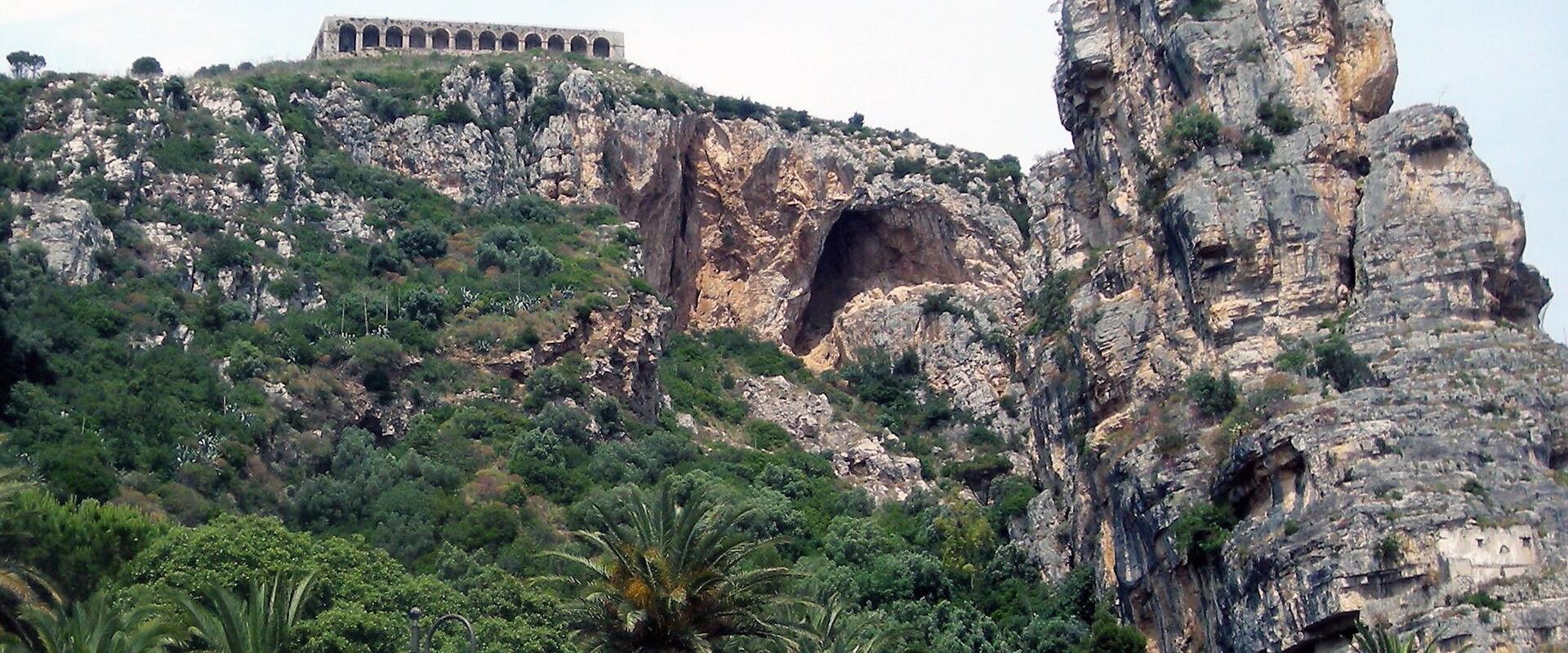
Terracina’s history goes back to pre-Roman times, when it was inhabited by the Volsci and later the Aurunci. The town became a Roman colony in 329 BC and played a crucial role in the Roman Republic and Empire as a strategic port and military outpost on the Via Appia. The original name of the town was Anxur, which became Tarracina under the Romans. The town was known for its temple to Jupiter Anxur, on the summit of Monte Sant'Angelo, which was a major pilgrimage site in antiquity. During the Middle Ages Terracina was ruled by various powers, including the Popes and local feudal lords. The town suffered from pirate attacks and malaria from the surrounding marshes, and was partly abandoned, but it was later rebuilt and fortified, and the Pontine marshes were drained in the 20th century. In the 19th century Terracina became part of the Kingdom of Italy. The town’s architecture reflects its layered history, with Roman ruins, medieval fortifications, and Baroque churches side by side in the historic centre.
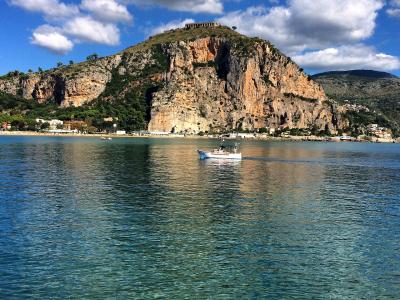
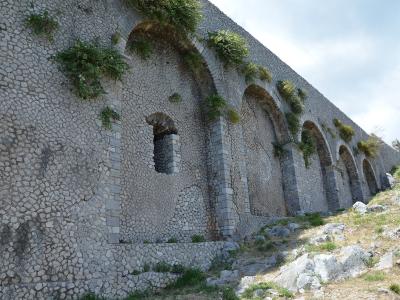
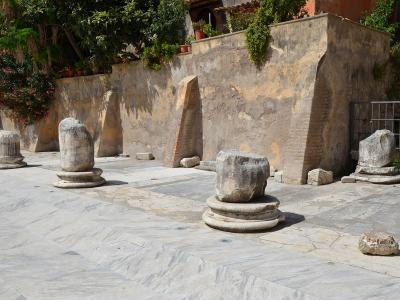
The main attractions are centred on the ancient heritage and the natural beauty. The Temple of Jupiter Anxur, on Monte Sant'Angelo, gives views of the coast and the surrounding plain, and its massive arched substructures are among the most impressive Roman remains in the area. The ruins include the temple foundations and a Roman theatre. The historic centre has the cathedral, dedicated to San Cesareo and built into a Roman temple, with a Romanesque bell tower and a decorated pulpit. The Roman Forum, a large paved square with a Roman street pattern, and the temple known as the Temple of Augustus are also significant archaeological sites. The Via Appia Antica, a stretch of the old Roman road, runs through the town, and a spectacular cutting in the rock, the Pisco Montano, was made to take the road past the headland. The long sandy beach, the Lido di Terracina, is a major attraction, with facilities for swimming and sunbathing. The port of Terracina is a hub for fishing and leisure boats. The nearby Circeo National Park offers hiking and nature walks, with forests and wetlands.
Activities in Terracina include exploring the historic sites, visiting the beach, and enjoying the local cuisine. The town is known for fresh seafood and traditional Lazio dishes, such as spaghetti alle vongole and grilled fish, and for the olives of the surrounding hills. Visitors can take boat trips along the coast or explore the nearby islands. The area offers cycling routes and hiking trails, with access to the Appia Antica park. Terracina also hosts festivals and events through the year, including a Festival of the Sea and a Festival of the Olive. Shopping includes local ceramics, olive oil, and wine. For those interested in history, guided tours explore the Roman ruins and the town’s medieval past.
Getting to Terracina is convenient by rail and road. The town is connected by the Rome-Naples railway line via Formia, with regular trains from Rome and Naples, and Terracina has a railway station in the town. By car, the A1 motorway and the Via Appia provide access, with the SS148 as the direct coastal route. The nearest airport is Rome Fiumicino, about 110 kilometres away.
The best time to visit Terracina is from April to June or September to October, when the weather is mild and pleasant, ideal for outdoor attractions and historic sites. July and August are peak tourist months, with higher temperatures and larger crowds. Winter is mild but can be rainy. Despite the seasonal variations, Terracina’s rich history and beautiful coastline make it a rewarding destination year-round.
Best time to visit
Visit between April and June or September and October for mild temperatures and fewer crowds.
What to see in Terracina
Our picks first.
Terracina by interest
The same sights, grouped by what you came for.
Planning a visit to Terracina
Itineraries that include Terracina
Good to know
- Currency
- EUR
- Language
- Italian
Quick Facts
Book your stay
Questions people ask
More places in Lazio
Lazio
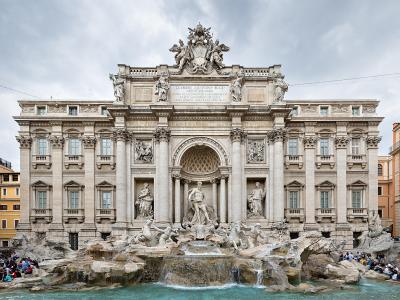
Rome
Capital of Italy blending ancient ruins with vibrant modern culture
Lazio
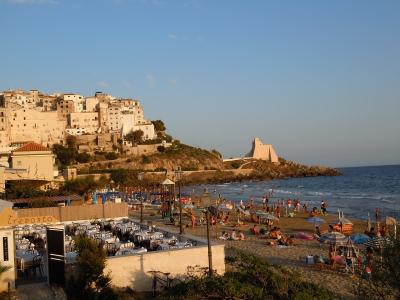
Sperlonga
Coastal town in Lazio with Roman villa, sea grotto, and sandy beaches
Lazio
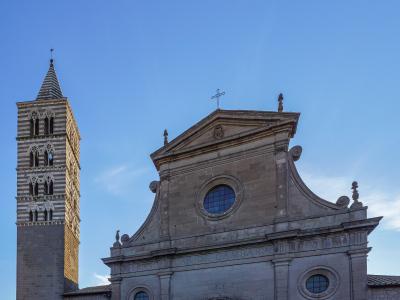
Viterbo
Medieval papal city in Lazio known for thermal baths and Etruscan roots
Lazio
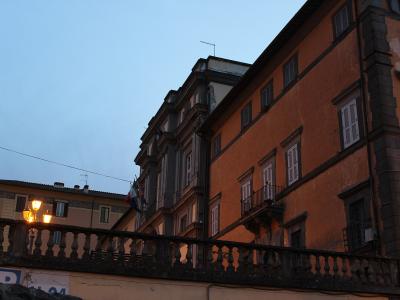
Bracciano
Volcanic lake town with the Orsini-Odescalchi castle, an hour from Rome