
Strategic Itinerary Frameworks
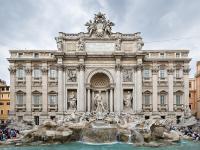
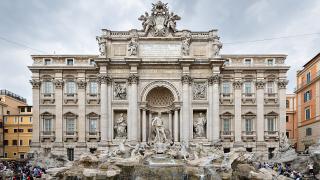
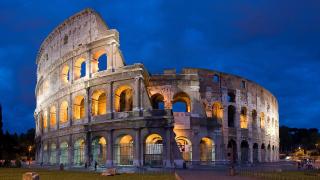
Group attractions by geographic proximity to minimize transit fatigue. The Ancient Zone clusters the Colosseum, Roman Forum, and Palatine Hill. These sites form a contiguous archaeological park. Allocate four to five hours for this area. The Vatican City operates as a separate high-security zone. It requires distinct security screening and entry protocols. Keep Vatican visits separate from general historic center sightseeing. The Historic Center contains the Pantheon and Trevi Fountain. These landmarks are walkable from each other. Use the Metro Line B for Ancient Zone access. Line A serves the Vatican and Historic Center. This separation reduces logistical complexity. Avoid mixing distant zones in a single day. The Colosseum area demands significant time for exploration. Vatican museums require advance booking for entry. Historic center sites allow flexible, spontaneous visits. Strategic grouping ensures efficient use of limited travel days. This method prevents excessive time spent on public transport. Focus on one major zone per day. This approach aligns with Rome’s dense urban layout. It respects the physical constraints of the city. Transit times between zones can exceed thirty minutes. Plan accordingly to maintain itinerary momentum. Prioritize contiguous sites to maximize sightseeing efficiency. This framework supports a structured, low-stress travel experience.
Rome’s metro system offers limited coverage. Lines A and B connect major hubs like Termini and the Vatican. They do not reach all historic centers. Buses and trams fill the streets. Expect heavy congestion during peak hours. Morning and evening commutes slow travel significantly. For day trips, use regional FL trains. These connect Rome to Ostia and Tivoli efficiently. Ticketing requires careful attention. ATAC manages city buses and metros. Trenitalia operates regional rail services. Purchase tickets at tabacchi shops or metro stations. Validate paper tickets before boarding. Unvalidated tickets incur heavy fines. The Roma Pass offers utility for tourists. It includes unlimited public transport for 72 hours. It also grants free entry to the first two attractions. This saves time and money. Plan routes using official apps. Real-time updates help avoid delays. Keep tickets visible during inspections. Transit is functional but crowded. Prioritize early morning travel for comfort. The system serves both locals and visitors effectively.
Day Trip Logistics: Tivoli and Ostia
Take the FL2 suburban train from Termini to Tivoli. The journey takes approximately 50 minutes. Villa d’Este requires a separate ticket. Book online to avoid long queues at the gate. Villa Adriana is further away. Walk 20 minutes from the Tivoli station or take a local bus. The terrain is hilly and uneven. Wear sturdy walking shoes for the ancient ruins. Sun exposure is intense in summer. Bring water and hats for protection. For Ostia Antica, use the FL3 line. Depart from Piramide station in the city center. The ride lasts about 30 minutes. The archaeological site opens early. Arrive before noon to beat the heat. The site is largely open-air. Shade is limited near the ruins. Tickets are sold at the entrance. Credit cards are accepted at major kiosks. Both trips require valid regional transport tickets. Validate your ticket before boarding suburban trains. Fines are strict for unvalidated travel. Plan four to five hours per destination. This allows time for exploration and transit. Return to Rome by late afternoon. Evening trains are frequent and reliable.
Castelli Romani Regional Access
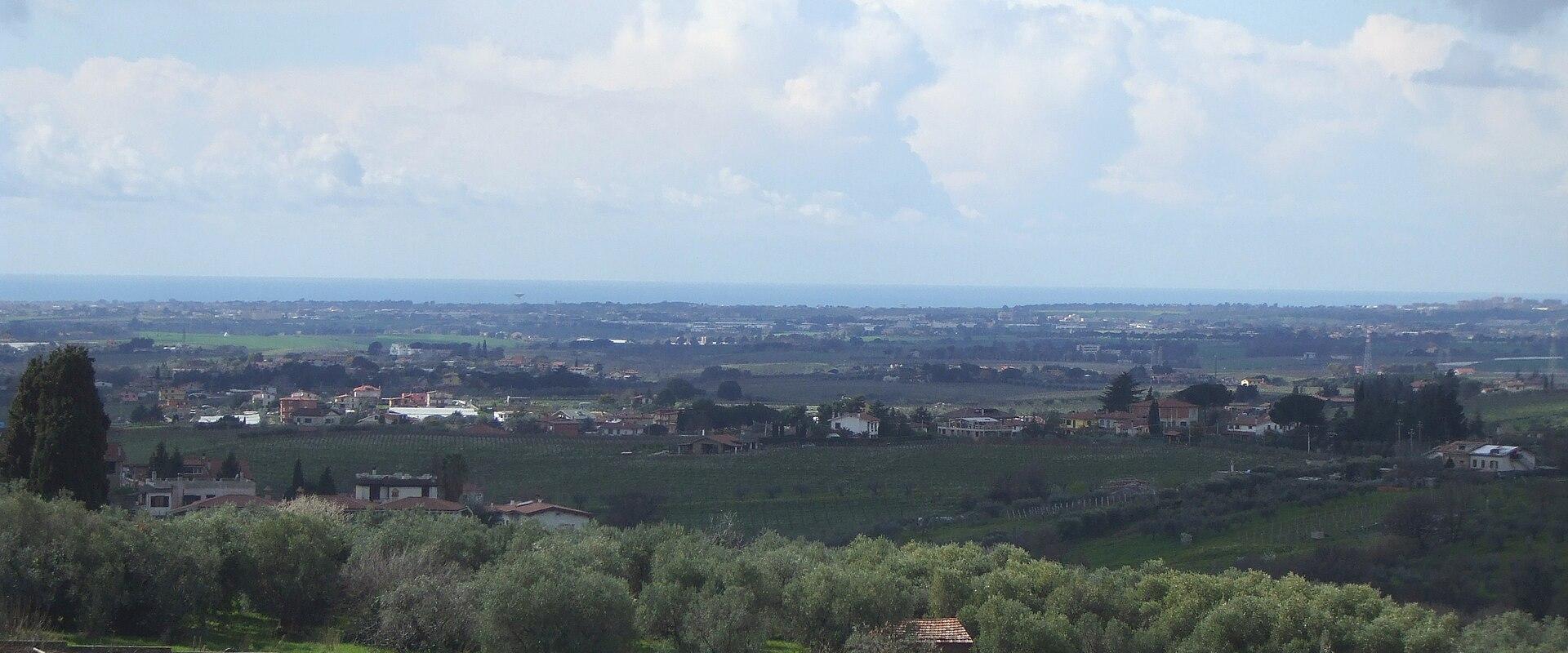
The Castelli Romani region lies southeast of Rome. Access begins at Roma Termini station. Take the FL4 suburban train line. This route connects directly to Albano Laziale. The journey takes approximately 45 minutes. Trains run frequently throughout the day. This service bypasses the congested city center. For inter-town travel, use Cotral bus services. These buses connect smaller towns like Frascati and Velletri. Schedules vary by season and day. Check local timetables before departure. The area is renowned for its wine production. Visit local enotecas for traditional tasting experiences. Traditional cuisine features robust, rural flavors. Allocate a full day for this excursion. The landscape offers a stark rural contrast. It differs significantly from the urban environment. Explore the historic centers of each town. Parking can be difficult in peak season. Arrive early to secure a spot. The region provides a peaceful retreat. It remains easily accessible from the capital. Combine train and bus travel for efficiency. This approach maximizes time in each location. Focus on the cultural and culinary highlights. The experience reflects authentic Italian rural life.
Accessibility and Seasonal Constraints
Ancient sites like the Colosseum feature uneven stone floors. Cobblestone streets in Trastevere hinder wheelchair access. Metro stations lack elevators in historic zones. Public buses rarely accommodate mobility devices. Summer temperatures often exceed 30°C in July. Heatwaves disrupt outdoor tours and museum schedules. Many cafes close during August Ferragosto holidays. Local services slow significantly during this period. Winter brings cooler weather but fewer crowds. Some rural villas in Tivoli reduce hours. Holiday closures affect public transport frequency. Book Colosseum tickets weeks in advance. Online reservations prevent long queue delays. Wear comfortable shoes for uneven terrain. Carry water during peak summer months. Check Vatican Museum schedules before visiting. Advance planning mitigates seasonal service reductions. Prepare for sudden rain in spring. Umbrellas are essential for outdoor sightseeing. Local trains run less frequently on Sundays. Verify train times before traveling to Ostia. Advance booking ensures entry to major sites. Weather preparation enhances comfort during visits.