

Italy functions as a vast open-air museum. Historical sites and ruins permeate the landscape. You encounter diverse ruin types across the country. Urban centers often integrate ancient structures into modern life. Rural areas preserve isolated archaeological remains. Strategic planning is essential for effective navigation. Visitors must distinguish between protected parks and integrated sites. Protected parks, such as the Parco Archeologico, require separate tickets. These zones enforce strict conservation rules. Integrated sites exist within active towns. Access may be restricted during daily operations. Planning routes between distant locations saves time. Italy offers over sixty ancient destinations. Each site demands specific logistical consideration. Prioritize sites based on regional proximity. This approach minimizes travel fatigue. Understanding the distinction between park and integrated status prevents confusion. Proper preparation ensures a focused historical experience. Italy’s heritage requires deliberate management. Visitors benefit from clear, structured itineraries. This method respects both preservation and exploration goals.
Mastering Ticketing and Access
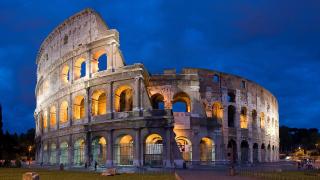
Italy enforces strict timed-entry systems for major ruins. You must book Colosseum tickets weeks in advance. Official channels include the dedicated Colosseo website. Avoid third-party vendors charging high service fees. Combined tickets often cover the Colosseum, Roman Forum, and Palatine Hill. This complex pass offers significant cost savings. It grants access to multiple historical zones. Free entry days occur on the first Sunday of each month. These dates attract massive crowds. Expect long queues and limited availability. Advance booking remains essential for reliable access. Many smaller sites require separate reservations. Check specific opening hours before visiting. Some ruins close on Mondays. Always carry your booking confirmation. Digital tickets are widely accepted. Physical copies provide a necessary backup. Security checks are mandatory at all major sites. Bring only small bags. Large luggage is prohibited. Plan your visit during early morning hours. This strategy helps avoid peak tourist traffic. Respect all posted signage and barriers. Unauthorized access to restricted areas is illegal. Proper preparation ensures a smooth experience. You will navigate Italy’s ancient sites efficiently.
Optimal Timing and Crowd Avoidance
Peak summer months bring intense heat and dense crowds to major Italian ruins. July and August see the highest visitor numbers at sites like the Colosseum. Temperatures often exceed thirty degrees Celsius, making midday exploration uncomfortable. To avoid these conditions, visit during the shoulder seasons of April to May or September to October. These periods offer mild weather and significantly fewer tourists. Daily timing is crucial for crowd management. Arrive at opening time, typically 8:30 AM, to enter popular sites before queues form. Late afternoon visits, after 4:00 PM, also provide a quieter experience as day-trippers depart. Note that many smaller historical sites and ruins close on Mondays. Always verify specific opening schedules online before traveling. Flexibility allows access to lesser-known ruins with minimal wait times. Sites like the Baths of Caracalla or the Roman Forum often have shorter lines than the main Colosseum entrance. Consider purchasing combined tickets for multiple attractions to streamline entry. This strategy reduces time spent in ticket queues. Prioritize indoor or shaded areas during the hottest hours. Early morning light also enhances photography conditions at outdoor ruins. Plan your itinerary to balance high-traffic landmarks with quieter archaeological parks. This approach ensures a more comfortable and comprehensive historical experience across Italy.
Italian ruins feature uneven stone surfaces and steep gradients. Mobility challenges are common at sites like Pompeii. Cobblestones and broken masonry create tripping hazards. Visitors with limited mobility should plan carefully. Major sites offer wheelchair access via ramps. The Colosseum provides reserved entry for disabled visitors. Assistance is available upon request at ticket counters. Always verify specific accessibility features before arrival. Sturdy footwear is essential for safety. Leather boots provide necessary ankle support on loose gravel. Avoid sandals or smooth-soled shoes on ancient steps. Sun exposure poses significant health risks in summer. Temperatures frequently exceed thirty degrees Celsius in southern regions. Hydration is critical during extended site exploration. Carry at least two liters of water per person. Wear wide-brimmed hats and apply high-SPF sunscreen. Preservation regulations strictly prohibit touching fragile walls. Graffiti or removal of artifacts carries heavy fines. Respect marked boundaries to prevent structural damage. Many ruins lack modern safety railings. Stay on designated paths at all times. Local guides can highlight safe routes through complex terrain. Always check official site websites for current access updates. Emergency services are available in major tourist areas. Report unsafe conditions to site management immediately.
Enhancing the Experience with Context
Audio guides provide essential historical context for Italian ruins. Licensed guides offer deeper insights into archaeological findings. Specialized thematic tours focus on specific eras or structures. These options transform simple sightseeing into structured learning experiences. Virtual reality and augmented reality technologies are increasingly available. Some sites use AR to reconstruct damaged architectural elements. Pre-visit research significantly improves on-site comprehension and engagement. Visitors should study Roman engineering or Etruscan history beforehand. This preparation allows for better appreciation of structural details. Educational resources help distinguish between original and restored sections. Understanding local terminology enhances the overall travel experience. Engaging with these tools ensures a more meaningful visit. You gain a clearer perspective on Italy’s layered past. This approach maximizes the educational value of your trip. It turns passive observation into active historical discovery. Prioritize these resources for a comprehensive understanding of the sites.