







- Admission
- Free admission
- Hours
- Mornings until approximately 3 PM when vendors pack up
- Where
- Rome, Lazio
- Directions
- Directions
Campo de' Fiori is a rectangular square just south of Piazza Navona, in the old centre of Rome, and it has the busiest daily rhythm of any square in the neighbourhood. Its name means field of flowers, and it comes from the medieval period, when this was an open meadow before it was paved over in the fifteenth century. Around it stand tall, ochre and rust-coloured houses with shops, wine bars and restaurants at street level, and the area behind it, with the Palazzo Farnese a short walk away, is among the most atmospheric in the historic centre.
From morning to mid-afternoon, with the exception of Sundays, the square is an open-air market. Stalls sell fruit, vegetables, herbs, flowers, spices, dried pasta and small souvenirs, and the traders call out and bargain in the way that Romans have done for generations. The market is smaller than it once was, and part of it now caters more to visitors than to residents, but it is still a pleasant place to buy fresh fruit or herbs and watch daily Roman life. It is advisable to visit before about three in the afternoon to see it in full swing.
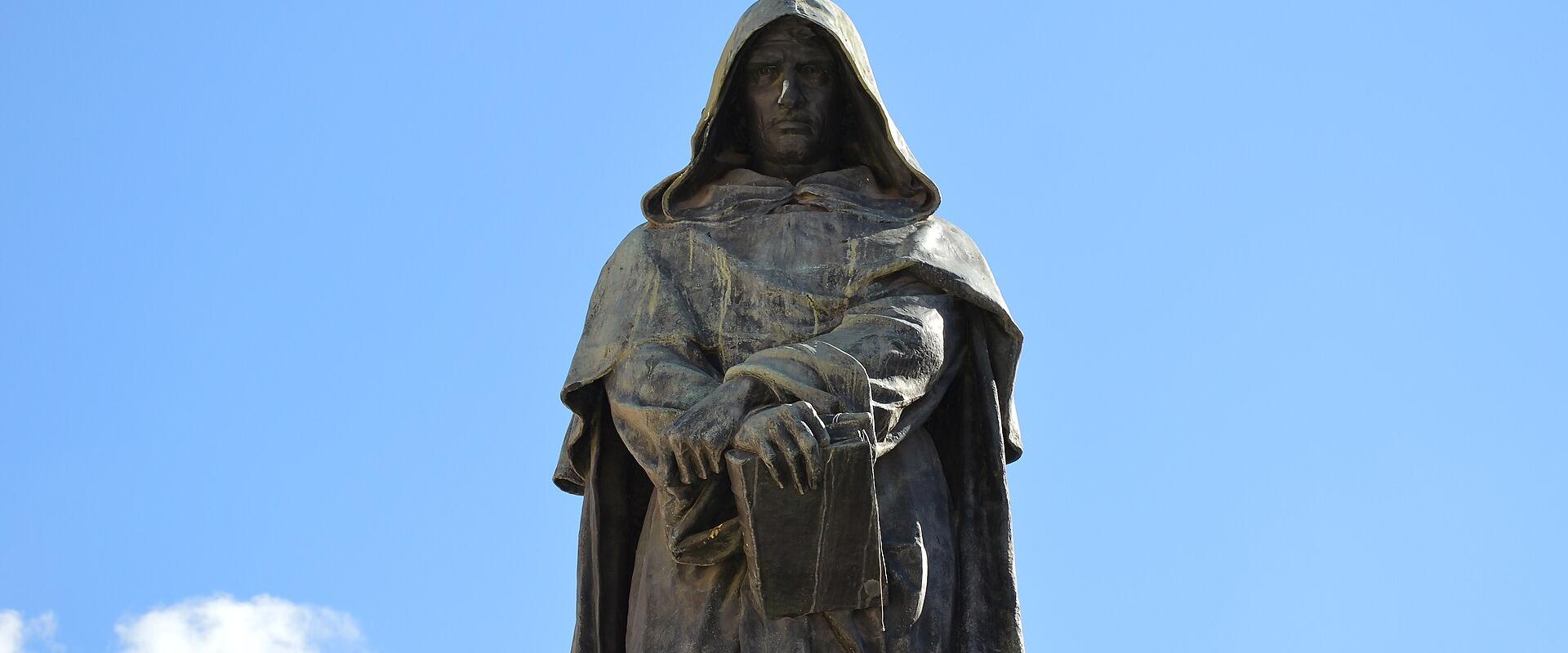
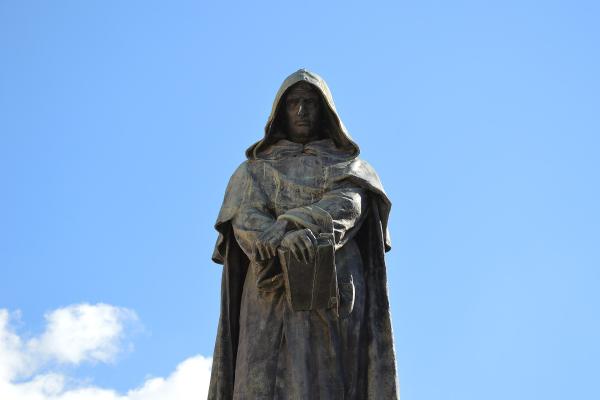
Historically, the square was also a place of public executions. The monument in the centre commemorates Giordano Bruno, the philosopher and former Dominican friar who was burned at the stake here on 17 February 1600 after the Inquisition found him guilty of heresy. The statue, which was unveiled in 1889, shows him standing with his hood pulled forward, and it is surrounded by reliefs and the names of other thinkers who suffered for their views. It was erected at a time when Rome’s secular government wanted to make a point about freedom of thought, and it still has an unusual power in a square otherwise given over to food and drink.
There are also small fountains and a former inn, and the surrounding lanes, such as Via dei Giubbonari and Via dei Baullari, are full of food shops, bakeries and little restaurants. There are several tiny squares nearby, including Piazza Farnese, with its twin fountains made from granite basins taken from the Baths of Caracalla.
By evening the character of the square changes. As the market stalls are cleared away, tables spread across the stone and the bars fill with a young, international crowd. It is a lively place to have a drink, although prices are higher than in side streets and the noise can go on late. The Pantheon is a short walk to the north-east, which makes it easy to combine the square with other sights. Keep an eye on bags in the crowd, and choose a place to eat a few streets away if you want to eat well at a fair price.
More photos coming soon
Hours & Fees
- Open
- Mornings until approximately 3 PM when vendors pack up
- Admission
- Free admission
Hours and prices change, especially out of season. Check with the venue before you go.
Nearby Attractions
Other places to visit in Rome
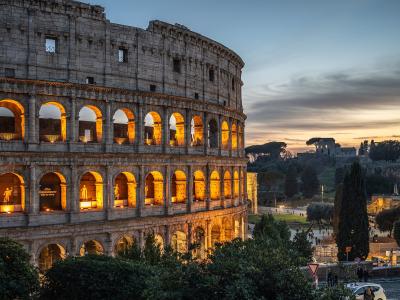
The Colosseum
Largest ancient amphitheater, built 70-80 AD
Ancient Ruins · Architectural Monuments
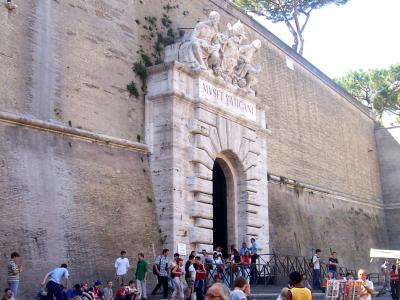
Vatican Museums
Papal museums housing Renaissance masterpieces
From €5 History & Heritage · Museums & Culture
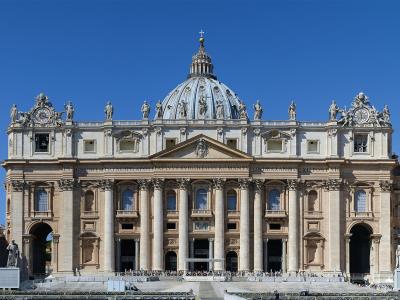
Vatican City (St. Peter's Basilica)
Renaissance basilica on Saint Peter's burial site
Architectural Monuments · Art Museums
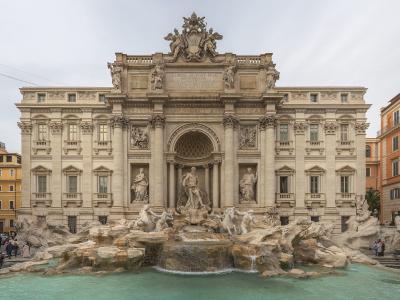
Trevi Fountain
18th-century Baroque fountain in Rome
From €2 Architectural Monuments · Historic Fountains
Questions people ask
Quick Facts
Best Time to Visit
Visit in April to June or September to October for mild temperatures and fewer crowds.