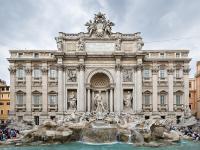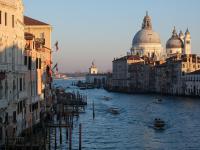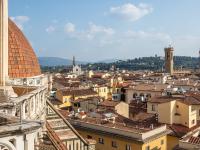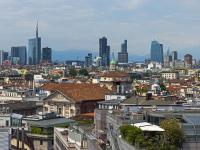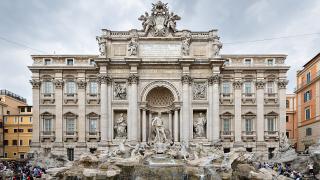


ZTL zones restrict vehicle access in Italian historic centers. These Limited Traffic Zones protect heritage sites from congestion. You must avoid entering these areas without authorization. Cameras automatically capture license plates at zone entrances. Violations result in heavy fines sent to your rental agency. Fines often exceed one hundred euros plus administrative fees. Look for blue circular signs with red borders. These signs mark the legal boundary of the ZTL. Entering after the posted hours is strictly prohibited. Hotels can register your vehicle for legal access. Provide your license plate number to the front desk. Confirm registration before driving into the restricted zone. Parking outside the ZTL is the safest strategy. Use public transit to reach historic city centers. This avoids fines and reduces driving stress. Always check specific city rules before arrival. Rome, Florence, and Bologna have strict enforcement. Rental contracts usually include clauses about traffic violations. You remain financially responsible for all ZTL fines. Plan your route to bypass restricted zones entirely. Do not rely on GPS for ZTL avoidance. GPS systems may not update restriction zones in real time. Verify access points with local signage. Ignorance of the law is not a valid defense. Drive carefully and respect local traffic regulations.
Rental Documentation and Insurance
Renting a car in Italy requires specific documentation. You must present a valid driver’s license. Non-EU residents often need an International Driving Permit. This permit translates your home license for local authorities. Always carry your passport or ID card. Rental agencies strictly enforce these identification rules. A major credit card is mandatory for deposits. Debit cards are rarely accepted for security holds. The deposit amount varies by vehicle class. Expect to freeze several hundred euros on your card. Insurance options significantly impact your total rental cost. Collision Damage Waiver (CDW) is standard but basic. It often includes a high deductible fee. Super CDW reduces or eliminates this excess charge. Third-party liability coverage is legally required in Italy. It covers damages to other vehicles or property. Review mileage limits carefully before signing. Some contracts impose strict daily kilometer caps. Exceeding these limits incurs steep per-kilometer fees. Unlimited mileage is available on select rentals. Verify credit card acceptance policies beforehand. Some smaller local agencies reject foreign cards. Confirm these details during the online booking process. This prevents unexpected rejections at the counter. Read the fine print regarding fuel policies. Full-to-full is the most common and fair option. Ensure the tank is full upon return. This avoids expensive refueling charges from the agency. Proper documentation ensures a smooth pickup experience. Thorough insurance review protects your financial interests. These steps mitigate risks during your Italian drive.
Toll Roads and Payment Methods
Italy’s highway network, known as Autostrade, requires toll payments. These major routes connect cities efficiently. Alternatively, Strade Statali offer free, scenic alternatives. You must take a ticket upon entering any toll plaza. This ticket records your entry point. Keep it safe until you exit. At the exit gate, present your ticket. Pay the displayed fee using cash or credit cards. Most booths accept major Visa and Mastercard. Some lanes support Telepass, an electronic tag system. Telepass allows faster passage without stopping. Always check for machine failures before proceeding. If a card is rejected, move to a manned booth. Do not block the lane. Plan your route to balance cost and time. Free roads are slower but cheaper. Toll roads save significant travel time. Always carry small Euro coins for minor fees. Fines for unpaid tolls are substantial. Verify your payment receipt before leaving the booth. This ensures no double charges occur. Italian toll systems are generally reliable. However, technical glitches happen occasionally. Patience and proper documentation prevent issues. Drive defensively and respect local signage.
Urban Parking and Driving Etiquette
Italian urban parking relies on strict color-coded curb systems. Blue zones indicate paid parking areas. You must pay via meters or smartphone apps. White zones allow free parking but have time limits. Yellow zones are reserved for residents or permits. Green zones designate short-term parking near attractions. Illegal parking incurs heavy fines and towing risks. The Multa system charges penalties for violations. Local drivers often exhibit assertive, fast-paced styles. You must adapt to this aggressive flow. Narrow historic streets in cities like Rome require caution. Blind spots are common in tight alleyways. Always check mirrors before maneuvering in ZTL perimeters. Italian drivers rarely yield to tourists. Maintain steady speed and avoid sudden stops. Use hazard lights only for emergencies. Parking garages offer safer alternatives in crowded centers. They cost more but prevent fines. Always validate tickets in elevators or shops. Failure to validate results in penalties. Respect local etiquette to avoid conflicts. Drive defensively in congested urban centers. Keep documents accessible for police checks. This ensures smooth navigation through Italian cities.
Vehicle Selection and Rural Driving
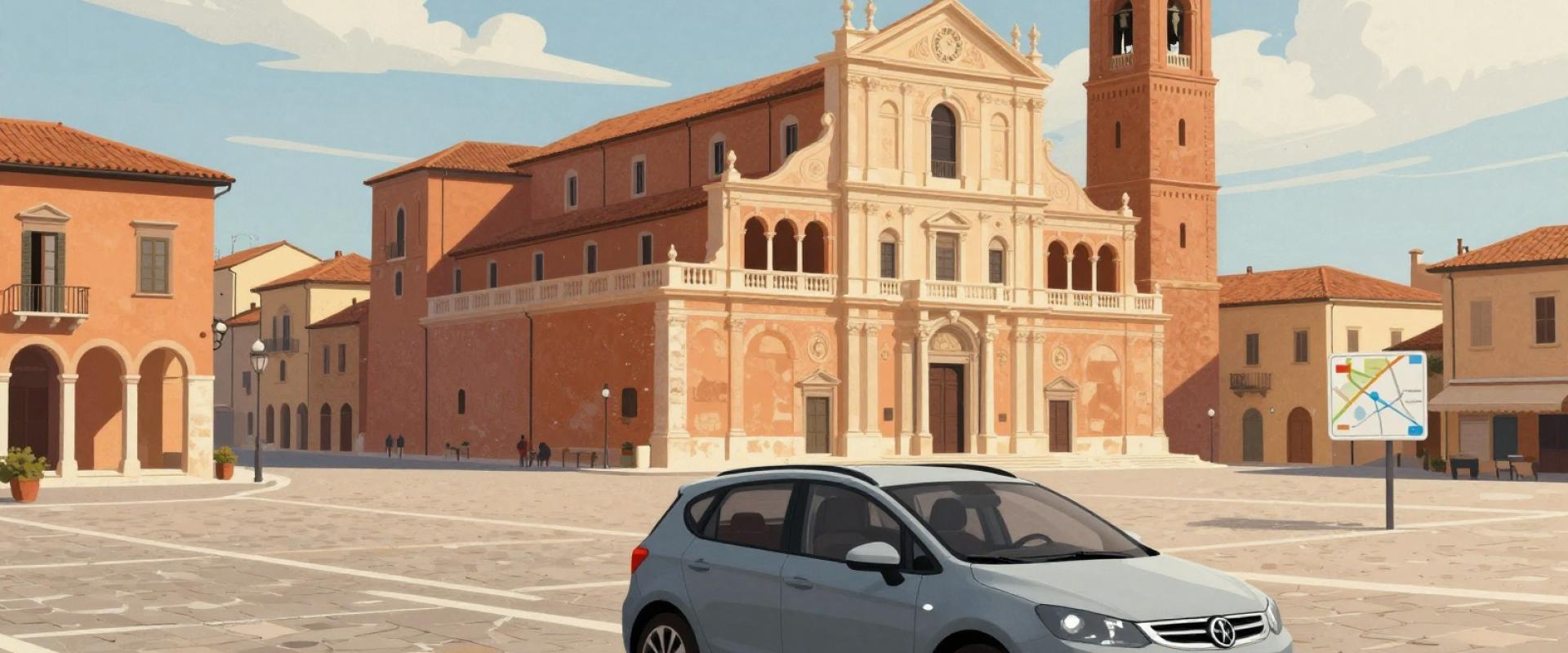
Select compact cars for Italian cities. Narrow streets and small parking spaces favor smaller vehicles. SUVs often struggle in historic centers. Manual transmissions dominate the rental market. Automatic cars cost significantly more. Expect to pay extra for this convenience. Winter driving requires specific equipment in alpine regions. Snow tires or chains are mandatory in mountains. Check local regulations before traveling north. Rural roads present unique hazards. Many winding country lanes lack guardrails. Drive cautiously on these narrow routes. Visibility can be limited by curves. Fuel management is critical in remote areas. Gas stations become sparse outside main towns. Fill your tank before leaving urban centers. Carry cash for rural pumps. Some stations do not accept cards. Plan routes around fuel availability. Avoid driving at night in the countryside. Poor lighting increases accident risks. Prioritize safety over speed. Italian rural roads demand attention. Stay alert for livestock and pedestrians. Compact vehicles handle tight turns better. Manual gears offer better control on hills. Choose wisely based on your itinerary.