







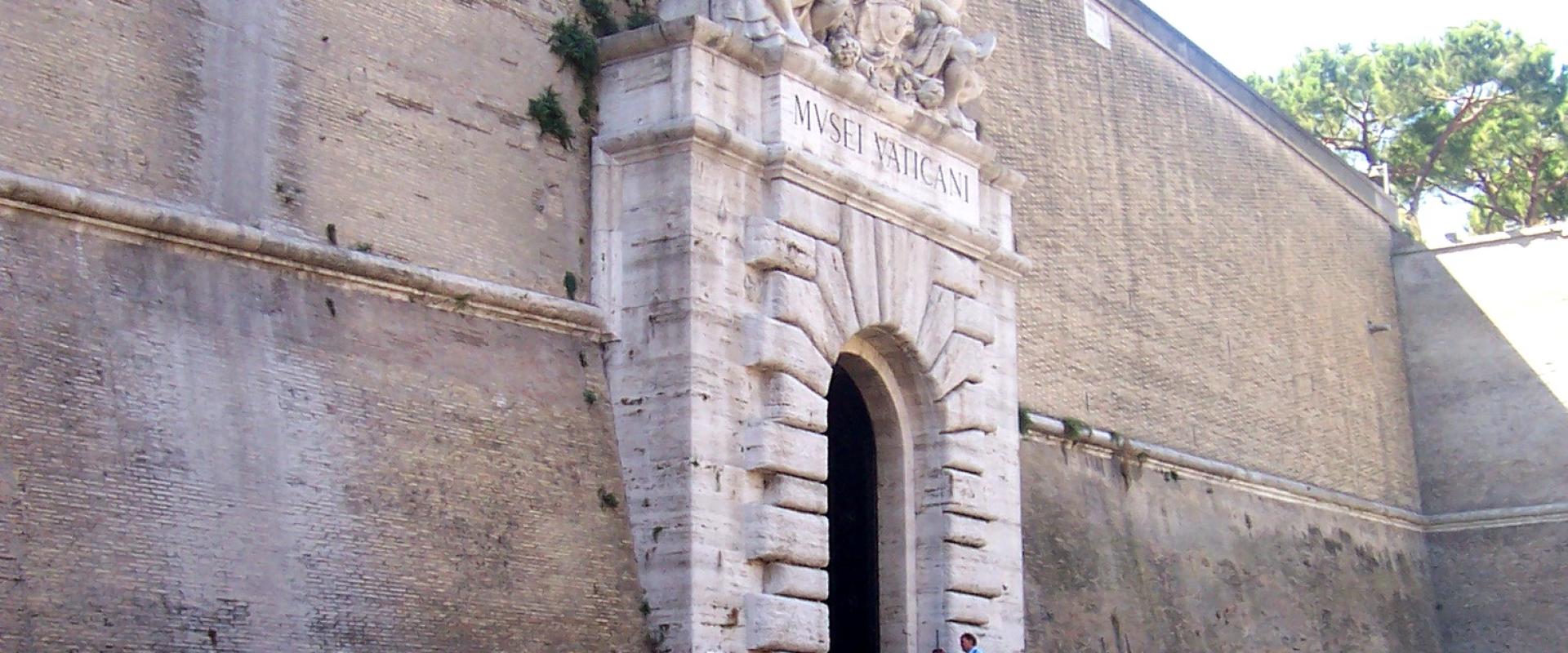
- Admission
- €20 full, €10 reduced
- Online booking adds €5. Free on the last Sunday of the month
- Hours
- The Museums are now closed
- Where
- Rome, Lazio
- Directions
- Directions
The Vatican Museums are a long chain of galleries inside Vatican City, the walled papal state on the west bank of the Tiber. They grew out of the collection of ancient sculpture begun by Pope Julius II in the early 1500s, after the Laocoon group was unearthed in Rome in 1506 and placed in the Vatican. Succeeding popes added antiquities, Renaissance paintings, maps, tapestries and, later, Egyptian, Etruscan and ethnological material, until the Papacy held one of the largest and most varied art holdings anywhere. Later additions include a modern spiral ramp staircase near the exit that has become a photographic landmark of its own.
The route is long and mostly one-directional, so it is worth deciding in advance what you most want to see. The Pio-Clementino Museum has the great classical sculptures, among them the Laocoon, the Apollo Belvedere and the Belvedere Torso, which deeply influenced Michelangelo and his contemporaries. The Gallery of Maps is a corridor of forty topographical frescoes of the Italian regions, painted in the 1580s under Pope Gregory XIII, and its gilded ceiling is worth looking up at. Beyond it the Raphael Rooms, a suite of papal apartments decorated by Raphael and his workshop from 1508 onward, hold the School of Athens, one of the defining images of the Renaissance.
The Sistine Chapel is the last major stop. Michelangelo painted the vault between 1508 and 1512 for Julius II, with the scenes from Genesis and the Creation of Adam at the centre, and returned decades later to paint The Last Judgment on the altar wall, finished in 1541. The chapel is also where cardinals gather to elect a new pope. Michelangelo’s ceiling draws every eye, and silence is requested and photography is not permitted, and attendants will remind you of both.
They show how art and the history of Christianity ran together in Rome for centuries. They form part of the Vatican City UNESCO World Heritage Site, and they remain the property of the Catholic Church, so a dress code applies: shoulders and knees should be covered. Visitors are screened at the entrance. The galleries are very busy through most of the year, and the Sistine Chapel in particular can feel packed, so booking a timed ticket in advance and starting early in the day is the sensible approach. Allow at least three hours for a focused visit and more if you want to see the Pinacoteca, which holds paintings by Raphael, Caravaggio and Leonardo da Vinci. Opening days follow the Vatican calendar rather than the Italian one, with closures on Sundays, apart from a free last Sunday of the month, and on religious feast days, so check the official schedule before you plan the trip.
Categories
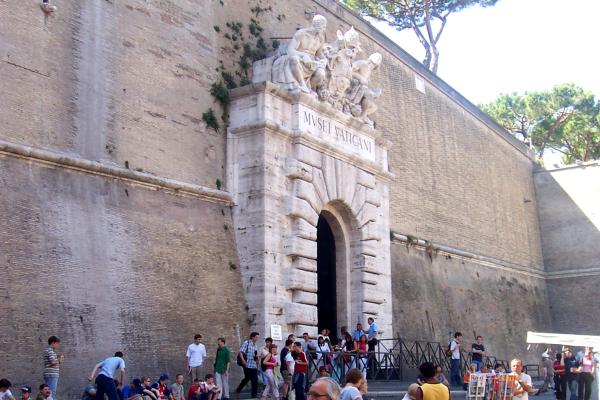
More photos coming soon
Hours & Fees
- Open
- The Museums are now closed
- Admission
- €20 full, €10 reduced; online booking adds €5. Free on the last Sunday of the month.
Hours and prices change, especially out of season. Check with the venue before you go.
Nearby Attractions
Other places to visit in Rome
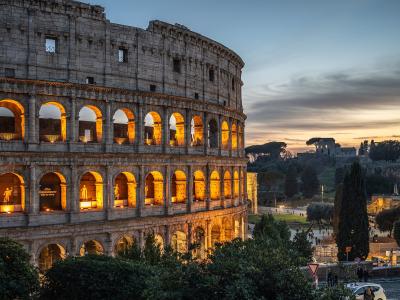
The Colosseum
Largest ancient amphitheater, built 70-80 AD
Ancient Ruins · Architectural Monuments
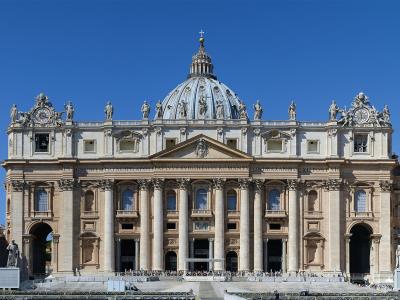
Vatican City (St. Peter's Basilica)
Renaissance basilica on Saint Peter's burial site
Architectural Monuments · Art Museums
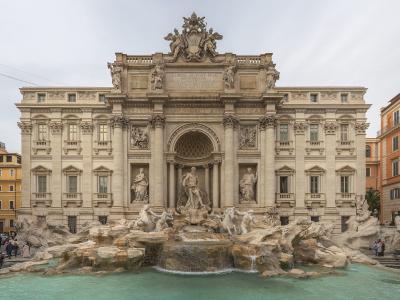
Trevi Fountain
18th-century Baroque fountain in Rome
From €2 Architectural Monuments · Historic Fountains
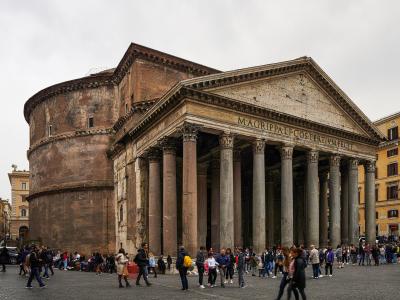
Pantheon
Hadrian's temple with the world's largest unreinforced concrete dome
From €2 Ancient Ruins · Architectural Monuments
Questions people ask
Quick Facts
€20 full, €10 reduced
Online booking adds €5. Free on the last Sunday of the month.
Best Time to Visit
Visit in April to June or September to October for mild temperatures and fewer crowds.