







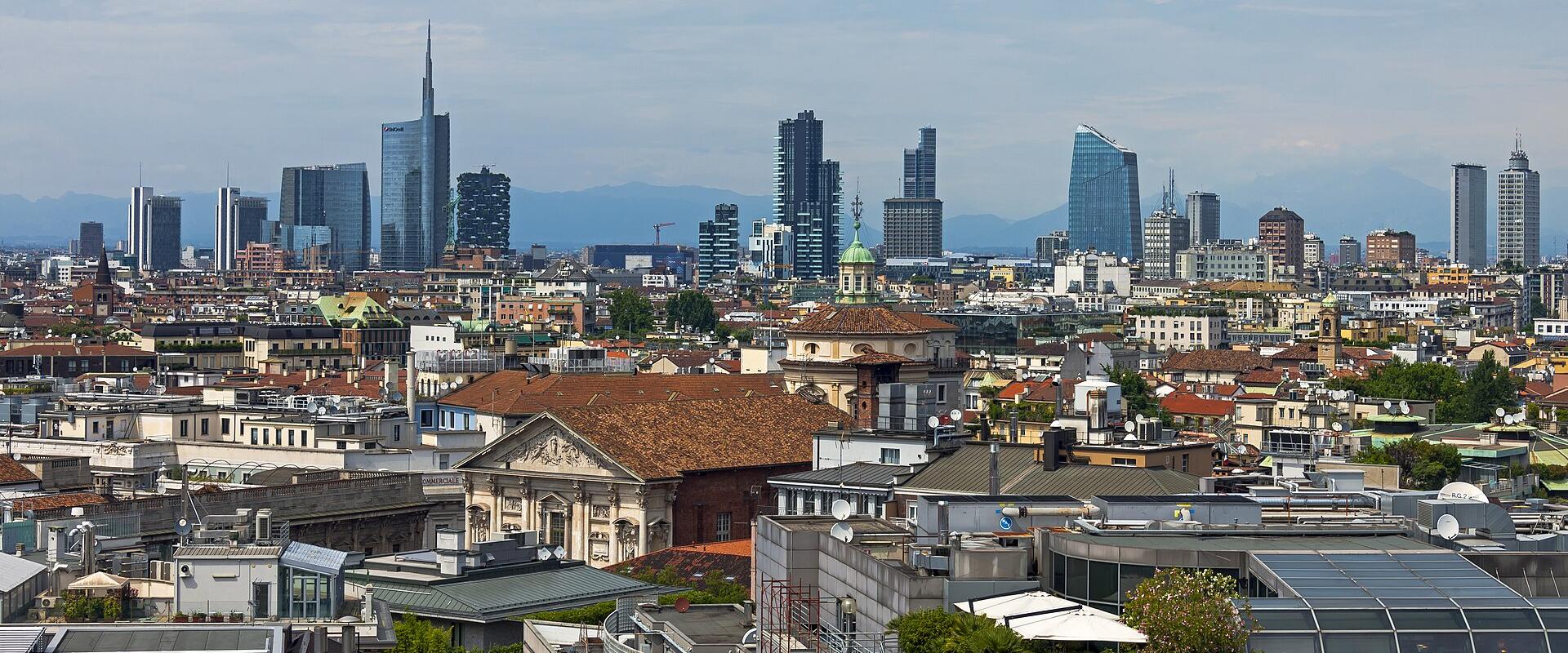
Milan
Global fashion capital with Renaissance art and modern architectural landmarks
Milan's history is deeply rooted in its strategic location and political evolution. Founded by the Insubrian Celts as Mediolanum, it became a crucial Roman city and briefly the capital of the Western Roman Empire in the 4th century. After the fall of Rome, Milan remained a significant ecclesiastical center, with its Archbishop wielding considerable power. During the Middle Ages, the city developed into a wealthy commune, engaging in conflicts with neighboring cities like Venice and Pavia. The Visconti family ruled Milan in the 14th and 15th centuries, initiating a period of cultural flourishing and architectural development, most notably the construction of the Duomo. The Sforza family succeeded them, further enhancing the city's prestige through patronage of the arts and sciences, attracting figures like Leonardo da Vinci, who spent his final years in Milan. In the 18th century, Milan came under Austrian rule, followed by French influence during Napoleon's reign, before joining the Kingdom of Italy in 1861. The 20th century saw Milan transform into Italy's industrial and financial heart, recovering from World War II destruction to become a global center for design and fashion.
The main attractions in Milan reflect its diverse historical and cultural layers. The Duomo di Milano, a magnificent Gothic cathedral, dominates the city center with its intricate façade and rooftop terraces offering panoramic views. Nearby, the Galleria Vittorio Emanuele II, a stunning 19th-century shopping arcade, connects the cathedral to the Piazza del Duomo and houses high-end boutiques and historic cafes like Caffè Cova. The Sforza Castle, a formidable fortress originally built by the Visconti, now houses several museums and museums, including Michelangelo's final sculpture, the Pietà Rondanini. Leonardo da Vinci's masterpiece, The Last Supper, is housed in the Convent of Santa Maria delle Grazie, requiring advance booking for viewing. The La Scala Opera House, one of the world's most famous opera venues, is a must-visit for culture enthusiasts. Other significant sites include the Brera District, known for its art galleries and bohemian atmosphere, and the Navigli district, famous for its canals, nightlife, and weekend antique markets.
Activities in Milan range from shopping and dining to cultural exploration. The Quadrilatero della Moda, or Fashion District, offers luxury shopping experiences. Visitors can explore numerous museums, such as the Pinacoteca di Brera and the Museo del Novecento. The city also offers green spaces like the Sempione Park and the Botanical Garden. Food lovers can enjoy traditional Lombard cuisine, including risotto alla milanese and ossobuco, in historic trattorias. Milan is also a hub for business and design, hosting events like the Salone del Mobile. Day trips to Lake Como, Lake Garda, or the Alps are easily accessible from the city.
Getting to Milan is convenient via air, rail, and road. Malpensa Airport is the primary international gateway, with express trains connecting to the city center in about 40 minutes. Linate Airport handles domestic and short-haul European flights. Milan has an extensive high-speed rail network, with stations like Milano Centrale connecting to Rome, Venice, and Turin. The city's metro system is efficient and covers most major attractions. The best time to visit Milan is from April to June or September to October, when the weather is mild and pleasant, ideal for sightseeing and outdoor activities. July and August can be hot and humid, while winter is cold and often foggy. Despite the weather, Milan's indoor attractions and vibrant nightlife provide ample entertainment year-round.
Best time to visit
Visit between April and June or September and October for mild temperatures and fewer crowds.
What to see in Milan
Our picks first.
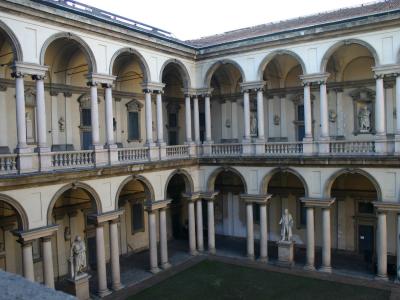
Pinacoteca di Brera
Milan's art gallery housing Raphael and Caravaggio master...
History & Heritage · Museums & Culture
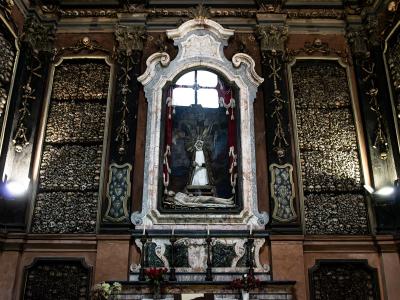
Bone Chapels (Catacombs Of The Ossuary)
13th-century ossuary with walls of human bones
Museums & Culture · Historic Cemeteries
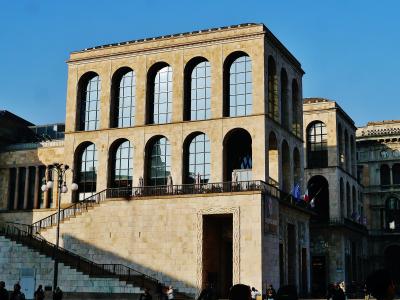
Museo del Novecento
Milan's museum of 20th-century Italian art
Museums & Culture
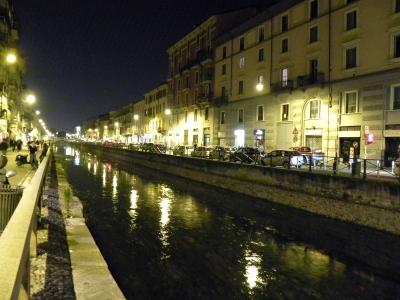
Navigli District
Historic canal district known for aperitivo culture
Free City Promenades · Historic Districts
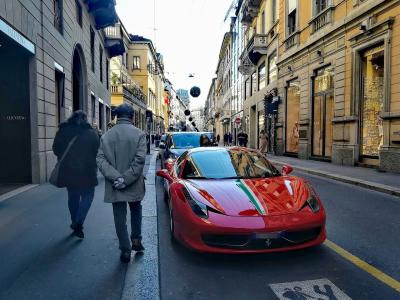
Quadrilatero della Moda
World's most expensive street and luxury fashion district
Museums & Culture · Urban Exploration
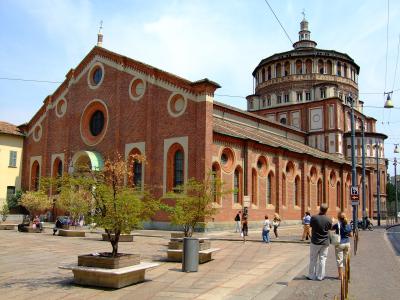
Santa Maria delle Grazie
Renaissance church housing Leonardo's Last Supper
Art Museums · Cultural Tours
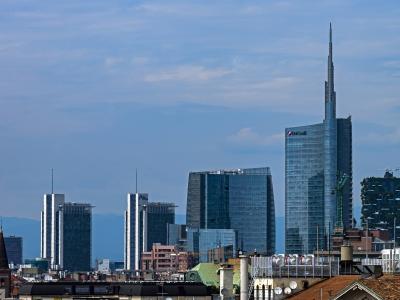
Bosco Verticale
Residential towers with 90+ plant species on facades
Free Architectural Monuments · Botanical Gardens
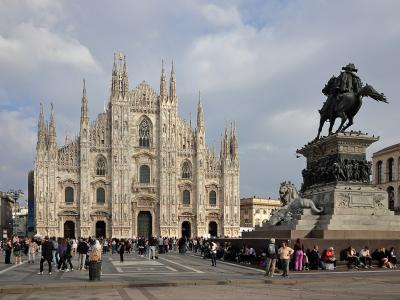
Duomo di Milano
Gothic cathedral with marble facade and rooftop terraces
Architectural Monuments · Cultural Tours
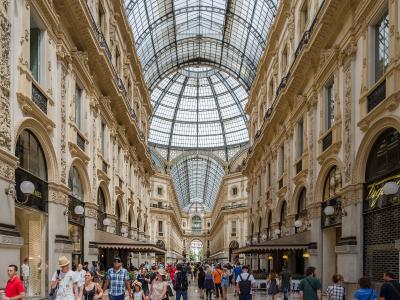
Galleria Vittorio Emanuele II
19th-century glass arcade with mosaic floors
Free Architectural Monuments · Shopping Streets
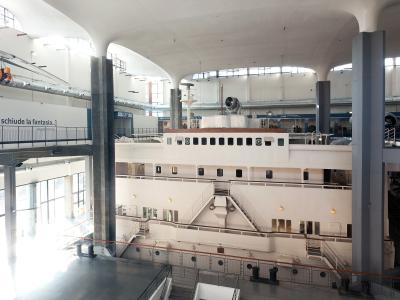
Museo Nazionale Scienza e Tecnologia Leonardo da Vinci
Italy's largest science museum, with Leonardo models and a real submarine
From €8 History & Heritage · Museums & Culture
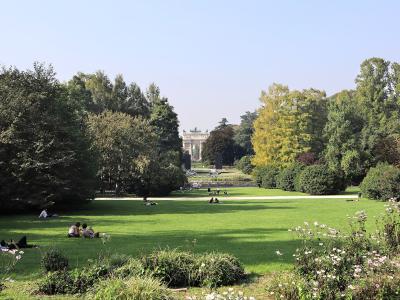
Parco Sempione
Milan's largest central park between Castello Sforzesco a...
City Promenades · Scenic Viewpoints
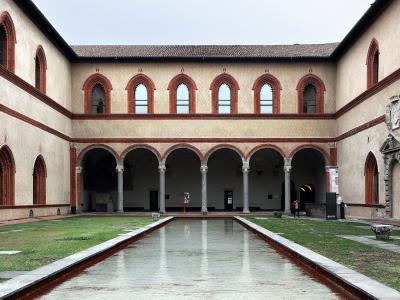
Sforza Castle (Castello Sforzesco)
Milan's historic fortress housing Michelangelo's Pietà Ro...
Architectural Monuments · Art Museums
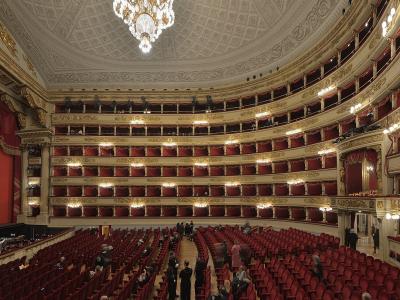
Teatro alla Scala
Historic opera house opened in 1778
History & Heritage · Museums & Culture
Milan by interest
The same sights, grouped by what you came for.
Did you know?
Checked facts about Milan, each with its source.
-
History
The Last Supper Survived a 1943 Allied Bomb
On 15 August 1943 an Allied high-explosive bomb landed about 80 feet from Leonardo da Vinci's "The Last Supper" in Milan's Santa Maria delle Grazie. The refectory roof caved in, the cloister collapsed and whole walls were blown out, but the wall carrying the mural, shielded years earlier with sandbags and scaffolding, stayed standing.
Source: Mental Floss -
History
Roman Milan Became the Western Empire's Imperial Seat
Under Emperor Maximian (286-305), Roman Mediolanum became the main imperial residence of the western empire, supplanting Rome, and in 313 the Edict of Milan issued here granted Christians religious freedom.
Source: EBSCO Research Starters
Planning a visit to Milan
Good to know
- Currency
- EUR
- Language
- Italian
Quick Facts
Book your stay
Questions people ask
More places in Lombardy
Lombardy
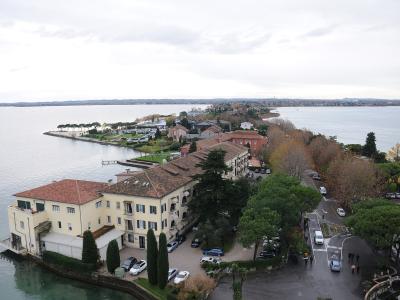
Lake Garda
Italy's largest lake bordered by Alps and Mediterranean climate
Lombardy
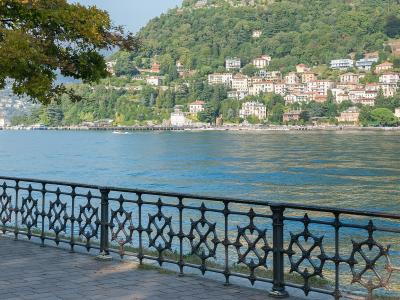
Como
Lakeside city in Lombardy with Alpine views and historic villas
Lombardy
Bellagio
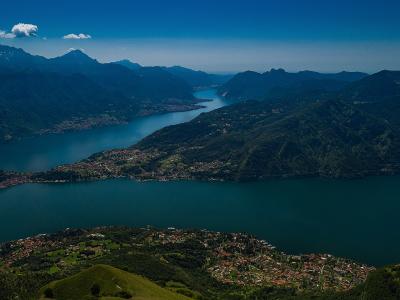
Historic peninsula town on Lake Como known for villas and gardens
Lombardy
Bergamo
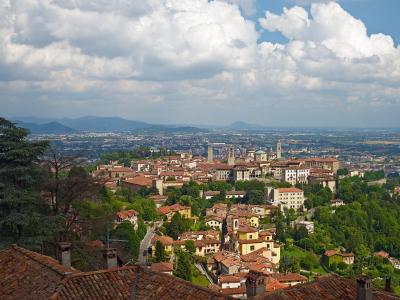
UNESCO-listed medieval city with Venetian walls and alpine views