







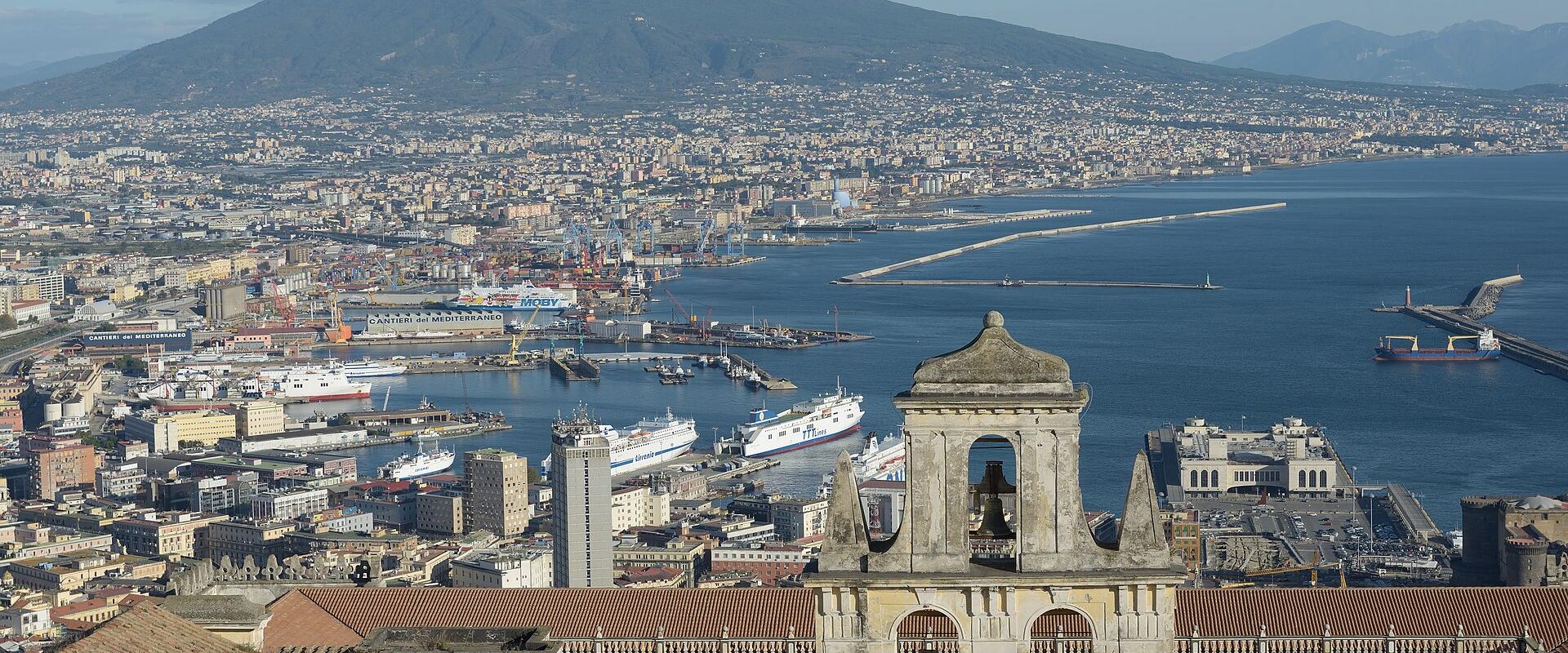
Naples
Vibrant Neapolitan city with UNESCO heritage, pizza origins, and Vesuvius views
Naples has a history that spans more than 2,800 years, beginning with Greek settlers who founded Neapolis in the 6th century BC. The city later became a significant Roman colony, preserving much of its ancient infrastructure, including underground tunnels and ruins that are still visible. Throughout the Middle Ages and the Renaissance Naples grew into a powerful kingdom, attracting artists, scholars, and architects from across Europe, first under the Normans and the Angevins, then under Aragonese and Spanish rule. The Bourbon dynasty left an indelible mark on the city's urban landscape, building grand palaces and theatres. In the 18th and 19th centuries Naples became a key stop on the Grand Tour, drawing intellectuals and artists who were captivated by its dramatic scenery and rich cultural heritage. The city's modern identity was further shaped by its role in the unification of Italy, by the uprising of 1943 against the German occupation, and by its resilience through natural disasters, including the eruption of Mount Vesuvius in 79 AD, which buried Pompeii and Herculaneum.
The historic centre of Naples is a UNESCO World Heritage site and gives an immersive journey through time. Key attractions include the Naples Cathedral (Duomo), which houses the Chapel of San Gennaro, the city's patron saint. The Cappella del Tesoro di San Gennaro contains the saint's blood, which is said to liquefy during ceremonies. Nearby, the street of San Gregorio Armeno is famous for its year-round nativity scene shops, where artisans craft detailed presepi figures. The Royal Palace of Naples, with its rich interiors and gardens, is a monument to Bourbon grandeur, and the Teatro di San Carlo next to it is among the oldest opera houses still in use. The National Archaeological Museum (MANN) holds one of the most important collections of Roman artefacts in the world, including mosaics from Pompeii and Herculaneum. The Castel dell'Ovo, the 'Egg Castle' on a small island joined to the shore, is the oldest standing castle in Naples and offers views of the Gulf. The Castel Nuovo stands near the port, and the Certosa e Museo di San Martino, a former Carthusian monastery on the Vomero hill, gives some of the best views over the city. The Sansevero Chapel holds the famous Veiled Christ sculpture. The Galleria Umberto I is an elegant iron-and-glass arcade. Spaccanapoli, a narrow straight street that splits the historic centre, is lined with Baroque churches, historic palaces, and lively markets, giving a glimpse of the daily life of Neapolitans, and the Parco Nazionale del Vesuvio lets visitors walk to the crater of the volcano.
Naples is also a culinary capital, famous for its street food and traditional dishes. Visitors should try authentic Neapolitan pizza, whose making is recognized by UNESCO as intangible cultural heritage. Street food staples include pizza fritta (fried pizza), sfogliatella (a shell-shaped pastry), and cuoppo (a cone of fried seafood or vegetables), alongside strong coffee and the rum cake called babà. The city's vibrant street life is best experienced in areas such as the Quartieri Spagnoli, known for its colourful laundry lines and narrow alleyways, and the Vomero district, reached by funicular, which has a more relaxed atmosphere and better views of the city.
Getting to Naples is convenient through Naples International Airport (Capodichino), which has domestic and international flights. The city is well connected by rail, with high-speed trains linking it to Rome, Florence, and Milan. The Circumvesuviana railway gives access to Pompeii, Herculaneum, and Sorrento, and onward by bus to the Amalfi Coast. Ferries and hydrofoils leave the port for Capri, Ischia, and Procida.
The best time to visit Naples is from April to June or September to October, when the weather is mild and pleasant, ideal for outdoor attractions and historic sites. Summer can be hot and crowded, while winter is mild but may bring rain. Despite the seasonal variations, Naples remains a captivating destination year-round, offering a blend of history, culture, and culinary excellence.
Best time to visit
Visit between April and June or September and October for mild temperatures and fewer crowds.
What to see in Naples
Our picks first.
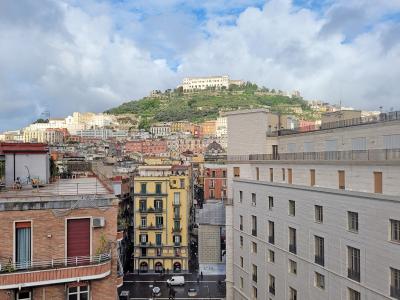
Certosa e Museo di San Martino
14th-century Carthusian monastery with panoramic Naples v...
History & Heritage · Museums & Culture
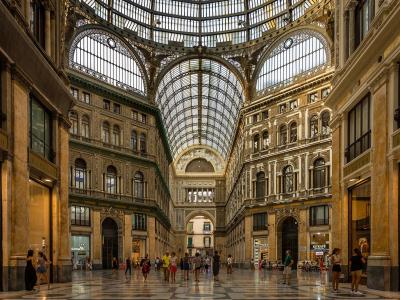
Galleria Umberto I
Cross-shaped 19th-century arcade with glass dome
Architectural Monuments · Shopping Streets

Museo Archeologico Nazionale di Napoli (MANN)
World's largest Greek-Roman art collection
Archaeological Museums · Art Museums

Parco Nazionale del Vesuvio
Active volcano and national park in Naples
Geological Sites · Hiking Trails

Sansevero Chapel
18th-century chapel housing Veiled Christ
History & Heritage · Museums & Culture
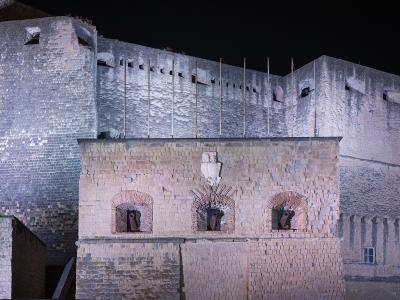
Castel dell'Ovo
Naples' oldest castle, known as the Egg Castle
Free Castles & Fortresses · Local Folklore
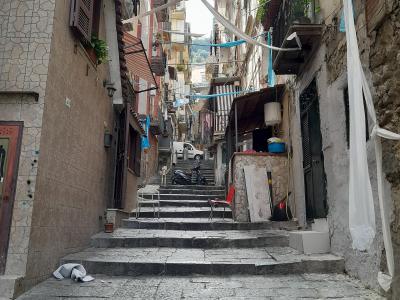
Quartieri Spagnoli
16th-century Spanish garrison district
Cultural Tours · Historic Districts

Spaccanapoli
Ancient Greco-Roman decumanus splitting Naples' historic ...
Cultural Tours · Historic Districts
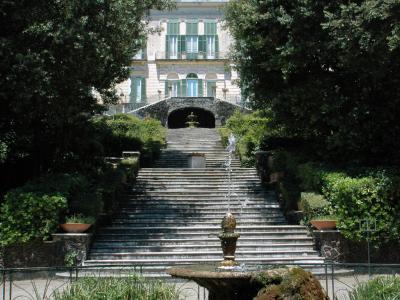
Villa Floridiana
Neoclassical villa and park on the Vomero hill
From €1.25 Botanical Gardens · Historic Palaces
Naples by interest
The same sights, grouped by what you came for.
Did you know?
Checked facts about Naples, each with its source.
-
History
Naples Grew From a Greek City Founded in 470 BC
UNESCO's listing of the historic centre of Naples traces the city to Neapolis, founded by Greek settlers in 470 BC; the centre was inscribed as a World Heritage Site in 1995.
Source: UNESCO World Heritage Centre
Planning a visit to Naples
Good to know
- Currency
- EUR
- Language
- Italian
Quick Facts
Book your stay
Questions people ask
More places in Campania and Amalfi Coast
Campania and Amalfi Coast
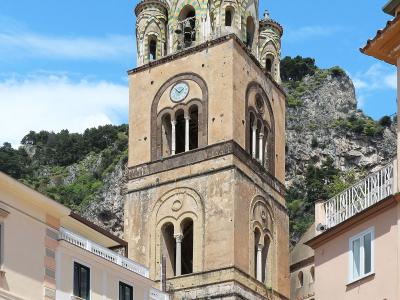
Amalfi
Historic maritime republic on the Amalfi Coast with dramatic cliffs
Campania and Amalfi Coast
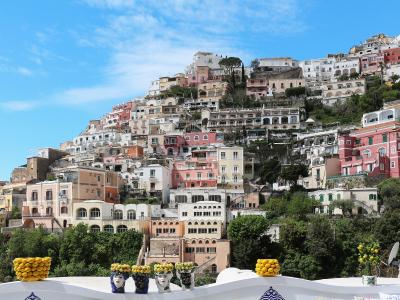
Positano
Iconic Amalfi Coast village with cascading pastel buildings and cliffs
Campania and Amalfi Coast
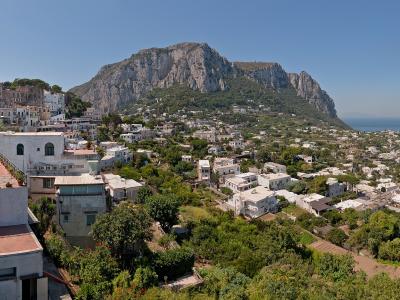
Capri
Iconic Italian island with Blue Grotto, dramatic cliffs, and luxury resorts
Campania and Amalfi Coast
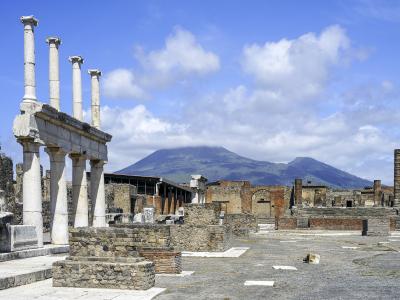
Pompeii
The Roman city buried by Vesuvius, and the pilgrimage town that grew beside it