
The Sacred Grounds of Sound
Italy remains the definitive birthplace of opera. Major venues serve as pilgrimage sites for dedicated music lovers. Teatro alla Scala in Milan stands as the world’s most famous house. Visitors must book months in advance or queue for affordable gallery tickets. Teatro La Fenice in Venice serves as the spiritual home of Bel Canto. Teatro di San Carlo in Naples holds UNESCO recognition for its superior acoustics. It is also the oldest opera house in Europe. The Arena di Verona offers a unique Roman amphitheater setting for outdoor performances. These structures preserve centuries of theatrical history. Their architecture supports exceptional sound quality. UNESCO status ensures ongoing preservation of these cultural landmarks. Travelers can also explore museum tours if performance tickets are unavailable. The Ravenna Festival and summer open-air concerts further highlight this rich tradition. Each venue offers distinct historical value. They represent the pinnacle of Italian operatic heritage. Music lovers prioritize these specific locations for their authentic experience.
Teatro alla Scala in Milan demands months of advance booking. Visitors can queue for affordable gallery tickets. This venue defines operatic prestige. Teatro San Carlo in Naples holds the title of Europe’s oldest opera house. It is a UNESCO site with superior acoustics. The location offers a distinct Neapolitan atmosphere. Teatro La Fenice in Venice serves as the spiritual home of Bel Canto. Its history includes resilience after fire damage. Repertoire varies by house. La Scala favors grand productions. San Carlo emphasizes vocal tradition. La Fenice focuses on Bel Canto classics. Atmosphere ranges from formal to historic. Practical logistics differ significantly. Milan requires strict planning. Naples offers historical depth. Venice provides artistic heritage. All three venues require specific ticketing strategies. Gallery seats offer budget options at La Scala. San Carlo provides UNESCO-listed interiors. La Fenice delivers Venetian elegance. Choose based on repertoire preference and location. Milan suits city travelers. Naples appeals to history buffs. Venice attracts art lovers. Each house offers unique logistical requirements for attendance.
Beyond the Proscenium: Festivals and Open-Air Gems
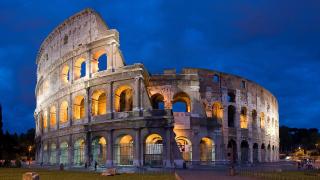
The Arena di Verona transforms a Roman amphitheater into a massive opera stage. This venue hosts a dedicated summer season. The ancient stone backdrop provides a unique historical context for performances. The Ravenna Festival offers a distinct alternative to traditional houses. It emphasizes contemporary focus and artistic diversity. This approach attracts modern audiences seeking fresh interpretations. The Spoleto Festival adopts a multi-disciplinary approach. It combines opera with theater and other arts. Open-air performances offer specific atmospheric advantages. Natural light and fresh air change the viewing experience. These settings provide variety beyond the traditional indoor houses. They allow for large-scale productions impossible in enclosed spaces. The combination of historic architecture and live music creates a memorable event. Visitors should check specific summer schedules for each location. These festivals represent essential stops for serious music travelers.
Mastering the Ticketing Maze
Secure tickets through official house websites only. Avoid third-party scalpers who inflate prices significantly. For Teatro alla Scala, book months ahead online. Alternatively, queue early for galleria seats. These high balcony spots offer affordable access. Teatro San Carlo and La Fenice follow similar strict protocols. Purchase tickets directly from the venue’s box office. This ensures valid entry and fair pricing. Arrive thirty minutes before curtain time. Italian theaters enforce strict entry deadlines. Latecomers are typically denied admission entirely. Dress codes vary by venue and performance type. Formal attire is expected at La Scala. Casual wear suffices for smaller regional houses. Collect physical tickets at the box office window. Digital passes are increasingly accepted but verify first. The Verona Opera Festival offers open-air alternatives. Book these summer events well in advance. The Arena di Verona fills quickly. Consider Ravenna Festival for summer concert options. These venues provide excellent acoustics and history. Always check official schedules for last-minute cancellations. This strategy can yield discounted same-day tickets. Plan your itinerary around these major houses. They define the Italian operatic experience.
Dress Codes and Theater Etiquette
Dress codes have shifted from strict formal wear to smart casual. Evening performances at La Scala still attract well-dressed crowds. Smart trousers and blouses remain appropriate for most houses. Matinee shows allow for slightly more relaxed attire. Gallery seating, or the gallerìa, welcomes casual clothing. These upper balconies offer affordable access to major productions. Audience behavior demands strict silence during performances. Silence ensures respect for the singers and musicians. Applause is reserved for the end of acts. Chanting or whistling is considered highly offensive. Lobby etiquette requires quiet conversation before the curtain rises. Italians value cultural respect within these historic venues. Blending in means observing local behavioral norms. Visitors should avoid loud phone usage entirely. The atmosphere remains serious and focused on art. Understanding these rules enhances the overall experience. Proper conduct shows appreciation for Italian heritage. This approach ensures a respectful visit to venues like San Carlo or La Fenice. Adhering to these norms helps travelers integrate smoothly into the local cultural scene.
Accessibility and Cultural Immersion
Major Italian opera houses provide wheelchair access. Contact venues months ahead to request specific seating. Staff at La Scala and San Carlo assist with mobility needs. Hearing assistance devices are available at major theaters. Request these loops during ticket booking to ensure availability. Museum tours offer historical context for those missing performances. Visit the La Scala Museum in Milan for artifacts. Explore the Teatro San Carlo archives in Naples. These sites detail the evolution of Italian opera. Pre-performance lectures deepen understanding of the repertoire. Check local conservatory schedules for public masterclasses. Engage with students at the Milan Conservatory. This interaction provides insight into current training methods. Inclusive travel planning requires early coordination. Verify elevator access and restroom facilities beforehand. Book accessible transport to venues like the Arena di Verona. Advance notice ensures smooth entry for all visitors. Local guides can arrange specialized tours for disabilities. This preparation allows full enjoyment of Italy’s musical heritage without logistical barriers.