

Extended Rome Experience
Three-day Rome itinerary covering ancient sites and Vatican highlights
3 days
•
Moderate difficulty
•
Est. €238
Day 1: Ancient Rome & The Imperial Center
Dive into the heart of the Roman Empire, exploring the Colosseum, Roman Forum, and Palatine Hill, followed by a walk through historic squares.
-
08:30
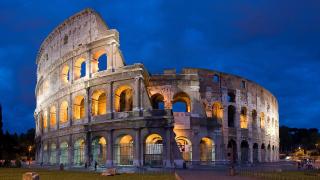
The Colosseum
Start your day early to beat the crowds at the largest ancient amphitheater, built 70-80 AD. Explore the arena floor and underground chambers.
-
11:30
Roman Forum & Palatine Hill
Walk through the ancient political center with ruins of temples and government buildings. Climb Palatine Hill for panoramic views.
-
13:00
Lunch near Monti
Enjoy a casual lunch in the trendy Monti neighborhood, just a short walk from the Forum.
-
14:30
The Pantheon
Visit the ancient Roman temple with the world's largest unreinforced dome. Marvel at the oculus and the interior architecture.
-
15:30
Piazza Navona
Stroll through this 17th-century Baroque square featuring Bernini's Fountain of the Four Rivers.
-
16:30
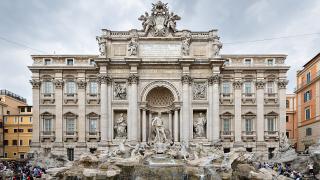
Trevi Fountain
End the afternoon at the iconic 18th-century Baroque fountain. Throw a coin to ensure your return to Rome.
-
19:30
Dinner in Centro Storico
Dinner at a traditional trattoria near the historic center.
Meals:
Lunch at Monti Neighborhood , Dinner at Centro Storico
Where to stay: Stay in the Centro Storico or Monti area for easy access to ancient sites.
Getting around: Walking is the best way to explore this area. The Colosseum is accessible by Metro Line B.
Day 2: Vatican City & Baroque Rome
Explore the spiritual heart of Catholicism in Vatican City, then wander through elegant squares and streets.
-
08:00
Vatican Museums
Visit the papal museums housing Renaissance masterpieces, including the Sistine Chapel. Pre-booking is essential.
-
11:00
St. Peter's Basilica
Enter the Renaissance basilica on Saint Peter's burial site. Climb the dome for a breathtaking view of St. Peter's Square.
-
12:30
Lunch in Prati
Lunch in the Prati district, near the Vatican.
-
14:00
Castel Sant'Angelo
Visit Hadrian's Mausoleum turned fortress, located on the right bank of the Tiber.
-
15:30
Spanish Steps
Walk up the Baroque travertine steps, a UNESCO site and popular meeting point.
-
16:30
Shopping at Via del Corso
Stroll down Rome's main shopping street leading from Piazza del Popolo.
-
19:30
Dinner near Piazza del Popolo
Dinner in the elegant area near the Spanish Steps.
Meals:
Lunch at Prati District , Dinner at Near Spanish Steps
Where to stay: Stay in the Prati or Spagna area for convenience to Vatican and major sights.
Getting around: Metro Line A connects the Vatican to the city center. Walking is recommended for the afternoon.
Day 3: Art, Gardens & Local Life
Discover world-class art in Villa Borghese, relax in the gardens, and experience the authentic vibe of Trastevere.
-
09:00
Borghese Gallery
Explore the timed-entry art gallery in Villa Borghese gardens, featuring works by Bernini and Caravaggio.
-
12:00
Villa Borghese Gardens
Stroll through Rome's public park, rent a rowboat, or visit the Bioparco (zoo) if time permits.
-
13:30
Lunch near Villa Borghese
Lunch at a cafe or restaurant near the park entrance.
-
15:00
Campo de' Fiori
Visit the historic square known for its morning market and vibrant atmosphere.
-
16:30
Trastevere Neighborhood
Explore the historic Roman neighborhood with cobblestone streets, charming boutiques, and the Basilica of Santa Maria in Trastevere.
-
19:30
Dinner in Trastevere
Enjoy a farewell dinner in one of Rome's most atmospheric neighborhoods.
Meals:
Lunch at Near Villa Borghese , Dinner at Trastevere
Where to stay: Trastevere offers charming boutique hotels and B&Bs for a local experience.
Getting around: Metro Line B to Colosseo for Borghese access. Bus or walk to Trastevere.
Practical Information
For an extended three-day experience in Rome, timing your visit is crucial for comfort and cost. The optimal seasons are spring (April to June) and autumn (September to October), when temperatures are mild, ranging from 15°C to 25°C, and crowds are manageable compared to the peak summer months. Summer brings intense heat and significant tourist congestion, while winter offers lower prices but shorter daylight hours and cooler weather. Avoid visiting during major holidays or school breaks if you prefer a quieter atmosphere.
Getting to Rome is straightforward via Rome Fiumicino (FCO) or Ciampino (CIA) airports. From FCO, the Leonardo Express train provides a direct, non-stop link to Termini Station in about 32 minutes, while buses offer a cheaper alternative. Once in the city, the historic center is best explored on foot, as many major sites are clustered within walking distance. For longer distances, the metro system is efficient and clean, with Line A and Line B covering most tourist areas. Purchase a integrated ticket for metro and bus travel, or consider a Roma Pass if you plan to visit multiple museums, which includes public transport and skip-the-line entry to select sites. Taxis are available but can be expensive; use licensed apps or official stands to avoid scams.
Accommodation should be chosen based on your itinerary. Staying in the historic center (Centro Storico) or near Termini Station offers maximum convenience for sightseeing and transit. Trastevere provides a more authentic, residential vibe with excellent dining, though it is slightly further from the Vatican. For budget-conscious travelers, areas like Esquilino offer affordable options with good metro access.
Budgeting for three days requires planning for both fixed and variable costs. Entry fees for the Colosseum, Roman Forum, and Vatican Museums can add up quickly; booking online in advance is essential to avoid long queues and often secures better rates. Dining costs vary significantly; opt for *tavola calda* (hot table) establishments for affordable, authentic lunches and reserve sit-down restaurants for special dinners. Pack comfortable walking shoes, as cobblestone streets are ubiquitous. Bring a reusable water bottle, as Rome has thousands of public fountains (*nasoni*) providing safe, cold drinking water. Essential items include sunscreen, a hat, and a portable power bank. Finally, always carry a copy of your passport and keep valuables secure, as pickpocketing is common in crowded tourist areas and on public transport.
Book your stay
More Itineraries
7 days
Apulia Highlights Tour
7-day Apulia tour: Lecce, Salento wine, and coastal villages
View Itinerary →