







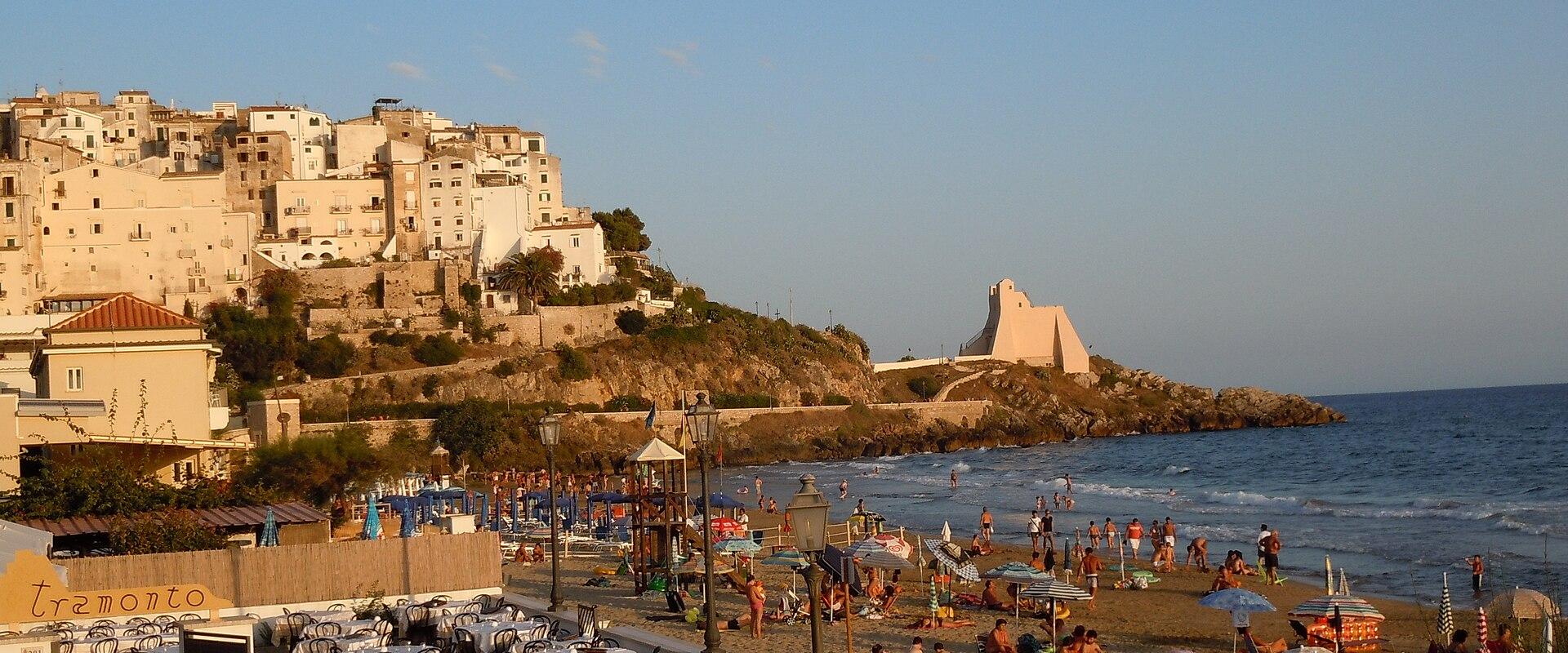
Sperlonga’s history goes back to ancient times, with evidence of pre-Roman settlement. The town gained prominence under Emperor Tiberius, who built a luxurious villa here in the 1st century AD. The villa was designed to impress visitors with its dramatic setting and sculptures showing scenes from Homer’s Odyssey; the Roman historian Tacitus records that part of the grotto collapsed during a banquet attended by Tiberius, who was saved by his commander Sejanus. After the fall of the Roman Empire Sperlonga was fortified against Saracen raids, which led to the construction of the town’s defensive walls and towers. The historic centre, known as Sperlonga Alta, keeps its medieval layout, with narrow alleys and whitewashed houses. In the 20th century Sperlonga changed from a fishing village into a major tourist destination, preserving its architectural heritage while developing modern amenities. The town belongs to the 'Borghi più belli d'Italia' (Most Beautiful Villages of Italy) circuit, recognizing its aesthetic and historical value.
The main attractions are centred on the archaeological site and the coast. The Archaeological Museum, the Museo Archeologico Nazionale di Sperlonga, on Via Valle Corsara on the site of Tiberius’s villa, holds the famous Sperlonga sculptures, large-scale marble groups depicting the blinding of Polyphemus by Odysseus and other episodes from the Odyssey, found in fragments in the grotto. The Grotta di Tiberio, also known as the Grotta di Nerone, is the natural sea cave that was built into the villa’s design, and its dramatic setting enhanced the mythological narrative of the statues. The historic centre of Sperlonga Alta rewards exploration, with narrow streets, historic churches such as the Chiesa di Santa Maria Assunta, and viewpoints. The lower town, Marina di Sperlonga, has a modern port, sandy beaches, and a lively promenade. The Spiaggia di Sperlonga is known for fine sand and clear water, making it ideal for swimming and sunbathing, and a watchtower, the Torre Truglia, stands on the cliff above the beach. The surrounding Aurunci Mountains offer hiking trails with views of the coast.
Activities in Sperlonga include visiting the archaeological museum, exploring the old centre, and enjoying the beach. The town is known for fresh seafood cuisine, including fish dishes and traditional Lazio specialities, and the nearby city of Gaeta is known for its baked pies. Visitors can take boat trips to explore nearby caves and coastal areas. The surrounding area offers hiking and cycling, with trails through the Aurunci Natural Park. Sperlonga also hosts festivals and events through the year, celebrating its maritime heritage and local culture. Shopping includes local ceramics, textiles, and food products. For those interested in history, guided tours explore the Roman villa and the mythological significance of the sculptures.
Getting to Sperlonga is easiest by road. The town is reached by car from Rome, about 100 kilometres away, via the SS148 road. There is no railway station in Sperlonga; the nearest stations are in Terracina and Formia, with bus connections to the town. For those flying, the nearest airports are Rome Fiumicino and Naples Capodichino.
The best time to visit Sperlonga is from May to June or September to October, when the weather is warm and pleasant, ideal for beach activities and sightseeing. July and August are peak tourist months, with higher temperatures and larger crowds. Winter is mild but can be windy. Despite the seasonal variations, Sperlonga’s rich history and beautiful coastline make it a rewarding destination year-round.
Best time to visit
Visit between May and June or September and October for warm weather and fewer crowds.
What to see in Sperlonga
Our picks first.
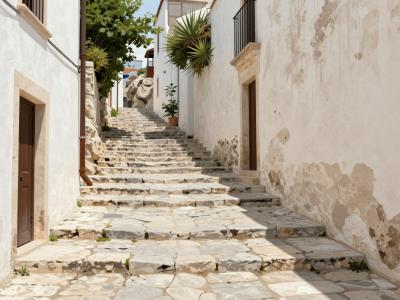
Sperlonga Old Town (Centro Storico)
Cliffside medieval village with ancient Roman grotto
Fishing Villages · Historic Districts
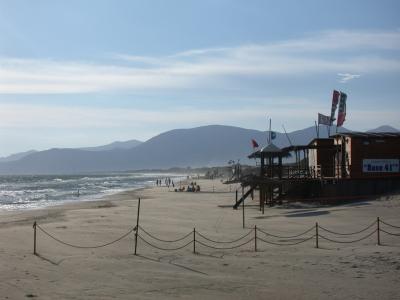
Spiaggia di Sperlonga
Sandy beach in the Regional Park of the Ulysses Riviera
Beaches · Historic Towns
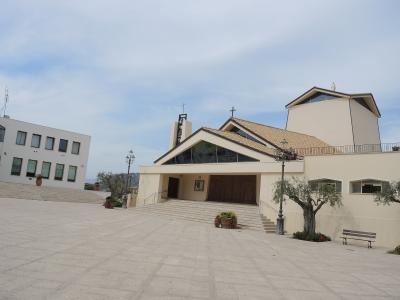
Chiesa di Santa Maria Assunta
Parish church with local architectural style
Architectural Monuments · Historic Churches
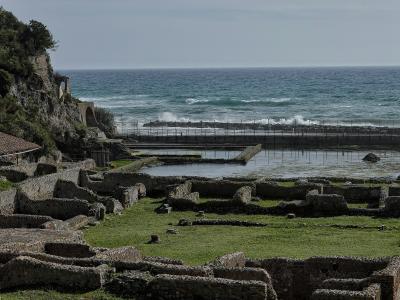
Museo Archeologico Nazionale di Sperlonga
Imperial Tiberius cave with Homeric sculptures
Ancient Ruins · Archaeological Museums
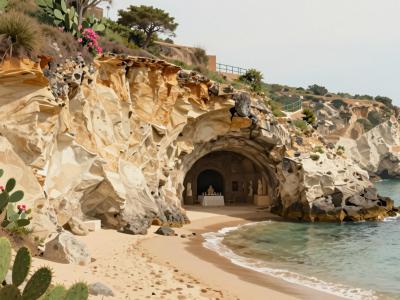
Grotta di Tiberio (Grotta di Nerone)
Tiberian sea cave with Odyssey sculptures
From €10 History & Heritage · Museums & Culture
Sperlonga by interest
The same sights, grouped by what you came for.
Did you know?
Checked facts about Sperlonga, each with its source.
-
Discovery
Road Builders Uncovered Tiberius's Sculptures in 1957
In 1957, work on the new coastal road between Terracina and Gaeta led archaeologist Giulio Iacopi to the seaside grotto of Emperor Tiberius's villa at Sperlonga, where he found fragments of huge marble sculptures of Odysseus's adventures. The finds stayed in Sperlonga, and since 1963 the restored groups have been displayed in the National Archaeological Museum beside the grotto.
Source: National Geographic
Planning a visit to Sperlonga
Itineraries that include Sperlonga
Good to know
- Currency
- EUR
- Language
- Italian
Quick Facts
Book your stay
Questions people ask
More places in Lazio
Lazio
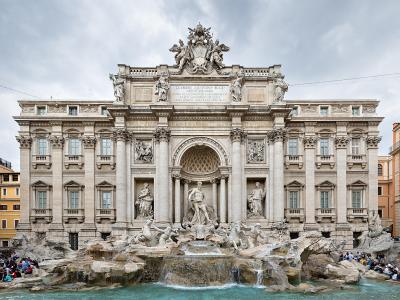
Rome
Capital of Italy blending ancient ruins with vibrant modern culture
Lazio
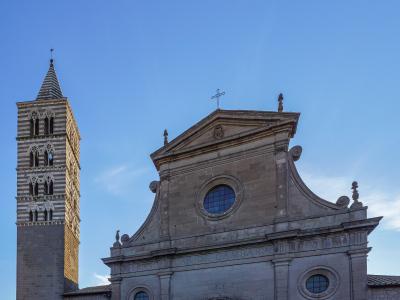
Viterbo
Medieval papal city in Lazio known for thermal baths and Etruscan roots
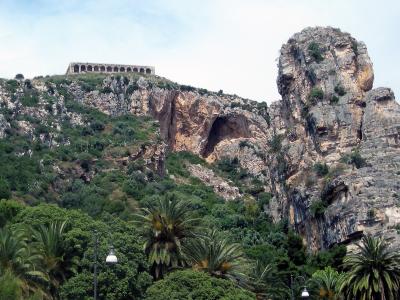
Lazio
Terracina
Ancient Roman coastal town with Monte Sant'Angelo and historic center
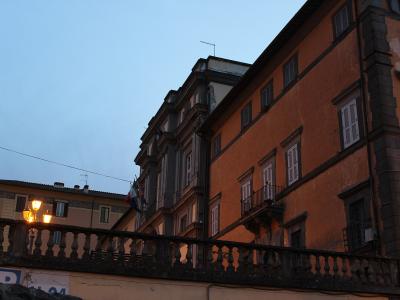
Lazio
Bracciano
Volcanic lake town with the Orsini-Odescalchi castle, an hour from Rome