

Trevi Fountain
18th-century Baroque fountain in Rome
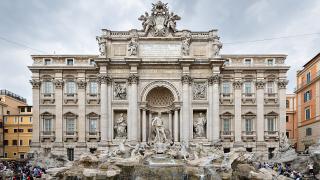
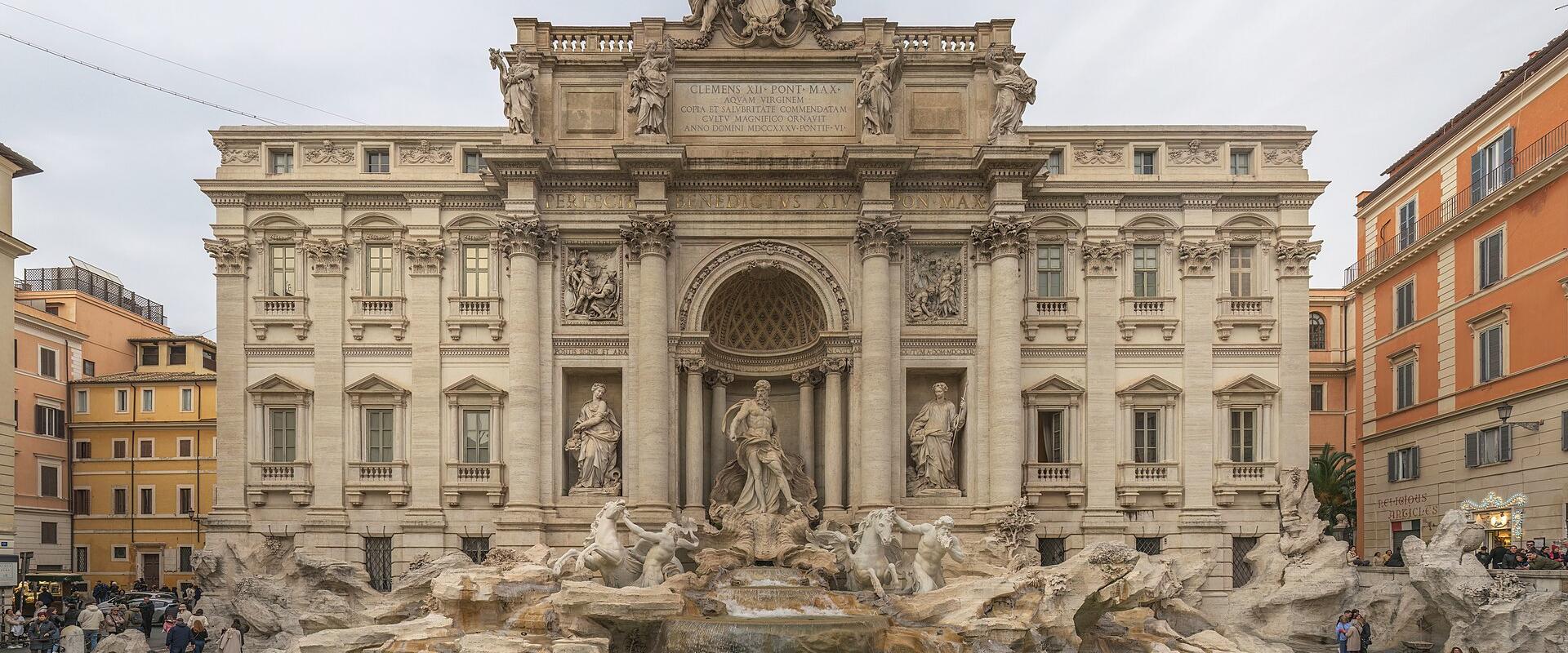
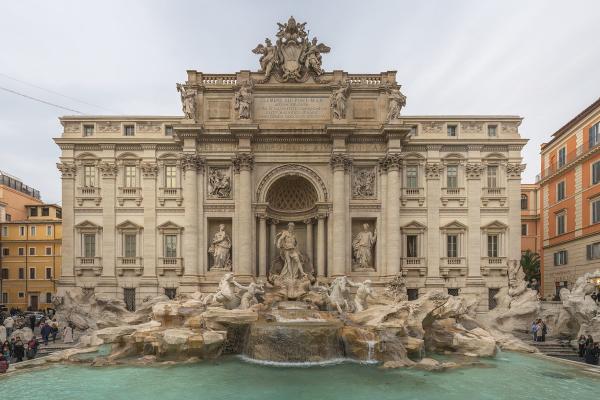
The Trevi Fountain, or Fontana di Trevi, is an iconic 18th-century landmark located in the Trevi district of Rome. Designed by architect Nicola Salvi and completed by Giuseppe Pannini in 1762, this Baroque masterpiece is the largest fountain in Rome. It is built into the end wall of the Palazzo Poli, creating a dramatic backdrop for the cascading water and intricate sculptures. The central figure is Oceanus, flanked by two horses pulled by Tritons, symbolizing the changing moods of the sea.
Visitors can access the fountain at any time, as it is an open public space with no admission fee. The site is illuminated at night, offering a magical atmosphere for evening visits. A popular local tradition involves tossing a coin into the water with one’s back to the fountain; legend states that doing so ensures a return visit to Rome. Thousands of coins are collected daily, with proceeds donated to charity.
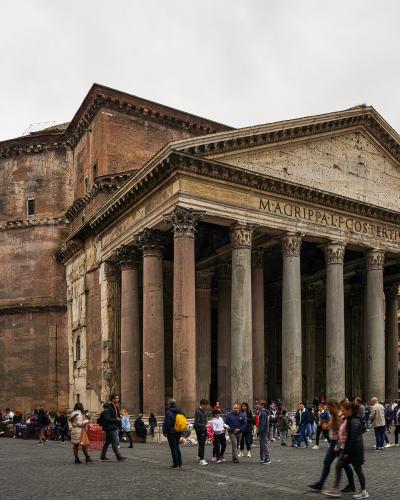
The area surrounding the fountain is often crowded, particularly during peak tourist seasons. Travelers are advised to visit early in the morning or late at night to avoid the largest crowds. The fountain is easily accessible on foot, located near the Pantheon and Piazza Barberini. The experience combines architectural appreciation with cultural participation, allowing guests to engage with a long-standing Roman custom. The detailed stonework and powerful water flow create a sensory experience that highlights the artistic achievements of the Baroque period. While the site is free to enter, visitors should be mindful of personal belongings in the dense crowds. The Trevi Fountain remains a central point of interest for anyone exploring Rome’s historic center.
More photos coming soon
Admission Fees
Admission
Free admission
Nearby Attractions
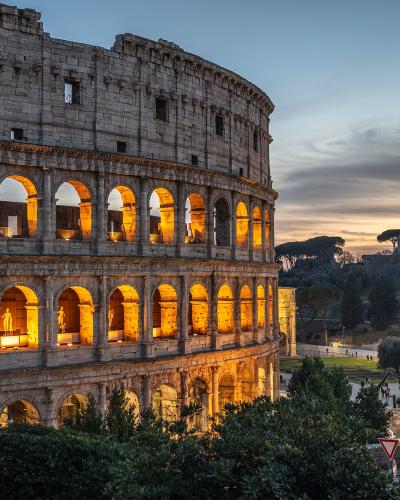
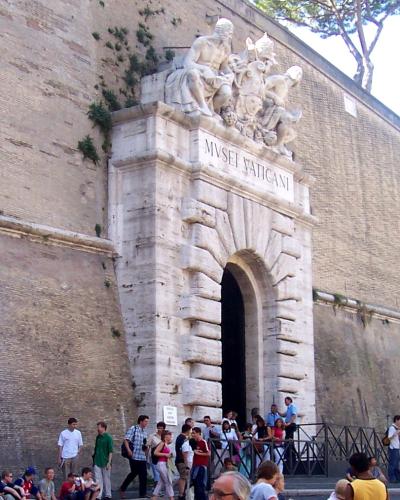
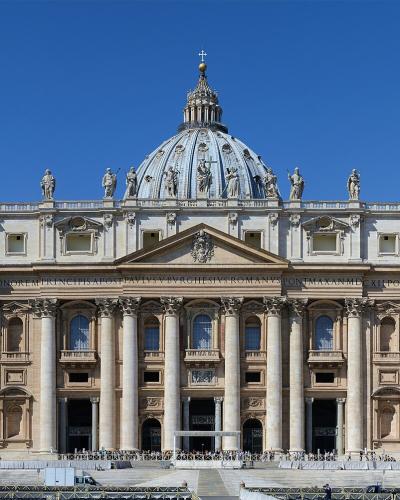
Other places to visit in Rome
Frequently Asked Questions
Quick Facts
Best Time to Visit
Visit in April to June or September to October for mild temperatures and fewer crowds.