







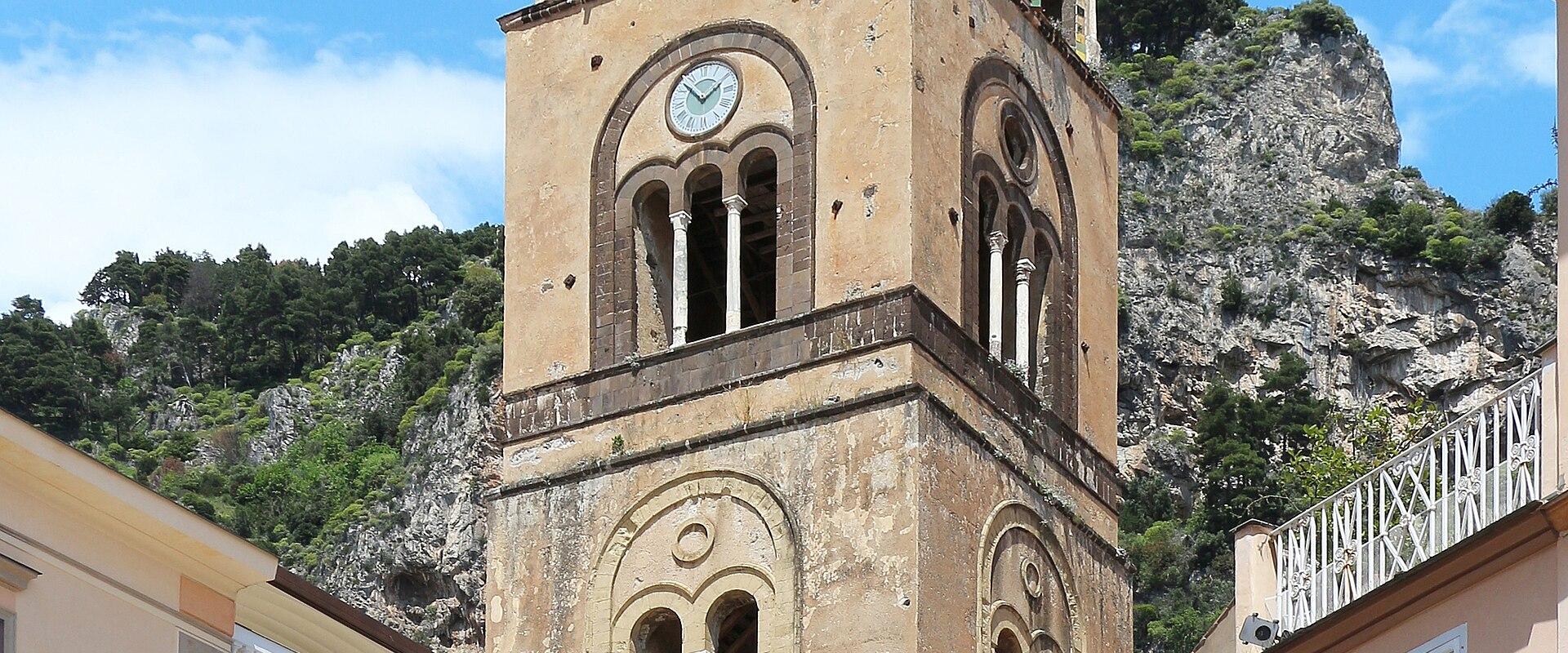
Amalfi
Historic maritime republic on the Amalfi Coast with dramatic cliffs
Amalfi’s history is deeply rooted in its role as a major maritime power during the Middle Ages. Founded by the Romans, the town grew in prominence after the fall of the Western Roman Empire, becoming the capital of the Duchy of Amalfi. During the 9th to 11th centuries, Amalfi was one of the four Maritime Republics of Italy, alongside Venice, Genoa, and Pisa. Its strategic location allowed it to control trade routes in the Mediterranean, exchanging goods such as grain, salt, timber, and slaves for gold and luxury items from the East. The Amalfi Coast became a hub of commerce and culture, with Amalfi serving as a center for navigation and law. The town’s influence waned after attacks by Pisa and later the Normans, but it retained its historical significance. The town’s architecture reflects its medieval past, with narrow, winding streets and historic buildings that have been preserved over centuries. The Cathedral of Saint Andrew, built in the 9th century and expanded in the 11th, is a prime example of Arab-Norman architecture, featuring a bronze door and a cloister with intricate mosaics.
The main attractions in Amalfi are centered around its historic center and natural beauty. The Cathedral of Saint Andrew (Duomo di Amalfi) is the town’s most iconic landmark, housing the tomb of Saint Andrew, one of the twelve apostles. The adjacent Cloister of Paradise is a serene garden with a colonnade of arches and a fountain, offering a peaceful retreat. The Piazza del Duomo is the heart of the town, surrounded by cafes and shops. The historic center is a labyrinth of narrow streets, leading to viewpoints that offer panoramic views of the coast. The Path of the Gods (Sentiero degli Dei) is a famous hiking trail that starts near Amalfi and offers breathtaking views of the coastline and the surrounding mountains. The town also has several beaches, including the main beach in the harbor and smaller coves nearby. Visitors can take boat trips to nearby islands such as Capri and Positano, or explore the nearby town of Ravello, known for its gardens and music festivals.
Activities in Amalfi include exploring the historic center, hiking, and enjoying the coastal scenery. The town is a gateway to the Amalfi Coast, with numerous hiking trails and scenic drives. The coastal road, known as the SS163, offers stunning views and connects Amalfi to other towns along the coast. Dining in Amalfi features fresh seafood and local specialties, including limoncello, a liqueur made from local lemons. The town also hosts various festivals and events throughout the year, celebrating its maritime heritage and cultural traditions. Shopping includes local crafts, ceramics, and food products. For those interested in history, guided tours are available to explore the town’s medieval past and its role in the Maritime Republics.
Getting to Amalfi is convenient via road and sea. The town is accessible by car from Naples and Salerno, with the SS163 coastal road providing scenic routes. Public buses and ferries also connect Amalfi to other towns along the coast and to nearby islands. The best time to visit Amalfi is from April to June or September to October, when the weather is mild and pleasant, ideal for outdoor activities and sightseeing. July and August are peak tourist months, with higher temperatures and larger crowds. Winter is mild but can be rainy. Despite the seasonal variations, Amalfi’s historic charm and natural beauty make it a rewarding destination year-round.
Best time to visit
Visit between April and June or September and October for mild temperatures and fewer crowds.
What to see in Amalfi
Our picks first.
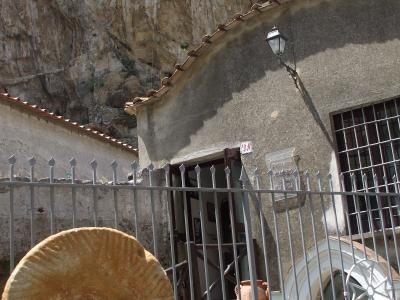
Amalfi Paper Artisan Workshops
Historic paper museum with hands-on workshops
History & Heritage · Museums & Culture
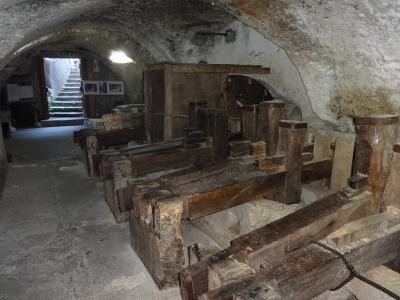
Paper Museum (Museo della Carta)
Historic paper mill museum in Amalfi's Valle dei Mulini
History & Heritage · Museums & Culture
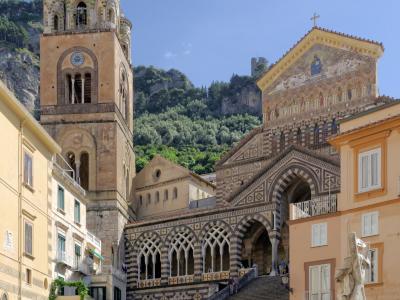
Cathedral of Saint Andrew (Duomo di Amalfi)
Medieval cathedral housing Saint Andrew's relics
Architectural Monuments · Historic Churches
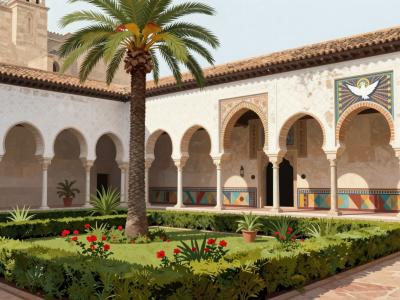
Cloister of Paradise (Chiostro del Paradiso)
13th-century cloister with Arab-influenced pointed arches
Architectural Monuments · Historic Cemeteries
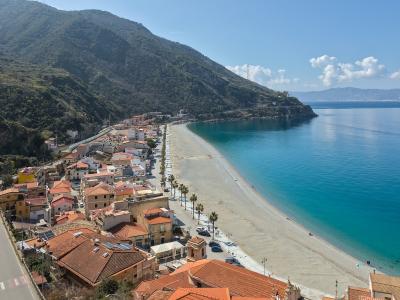
Marina Grande Beach
Historic pebble beach overlooking Amalfi's center
Beaches · Water Sports
Amalfi by interest
The same sights, grouped by what you came for.
Did you know?
Checked facts about Amalfi, each with its source.
-
History
A 1343 Sea Surge Wrecked Amalfi's Harbour
On 25 November 1343 a violent sea surge struck the Campanian coast and largely swept away the port structures of Naples and Amalfi, along with much of Amalfi's lower town. Petrarch, who was in Naples, described the storm in a letter written the next day. A 2019 study of tsunami deposits on Stromboli suggests the surge may have been a tsunami set off by a collapse of the volcano's flank, though the link is not proven.
Source: Scientific Reports (Rosi et al., 2019) -
History
Amalfi Was One of Italy's Four Maritime Republics
From about the 9th to the 11th century Amalfi was one of Italy's four great maritime republics, alongside Venice, Genoa and Pisa, and its sea law code, the Tabula de Amalpha, carries its name. Its independence ended when Roger II of Sicily absorbed it into his kingdom in 1131.
Source: Amalfi Coast (amalfi-coast.org)
Planning a visit to Amalfi
Itineraries that include Amalfi
Good to know
- Currency
- EUR
- Language
- Italian
Quick Facts
Book your stay
Questions people ask
More places in Campania and Amalfi Coast
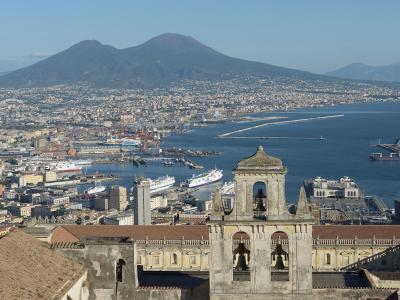
Campania and Amalfi Coast
Naples
Vibrant Neapolitan city with UNESCO heritage, pizza origins, and Vesuvius views
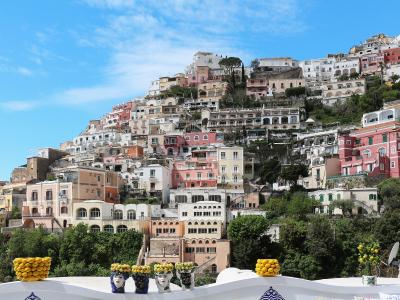
Campania and Amalfi Coast
Positano
Iconic Amalfi Coast village with cascading pastel buildings and cliffs
Campania and Amalfi Coast
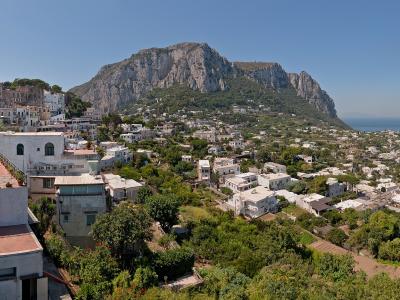
Capri
Iconic Italian island with Blue Grotto, dramatic cliffs, and luxury resorts
Campania and Amalfi Coast
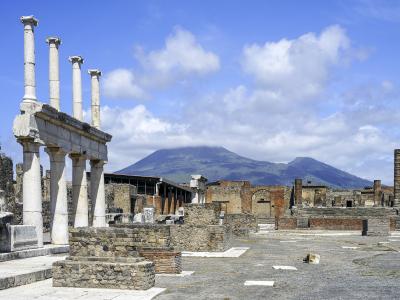
Pompeii
The Roman city buried by Vesuvius, and the pilgrimage town that grew beside it