







- Where
- Rome, Lazio
- Directions
- Directions
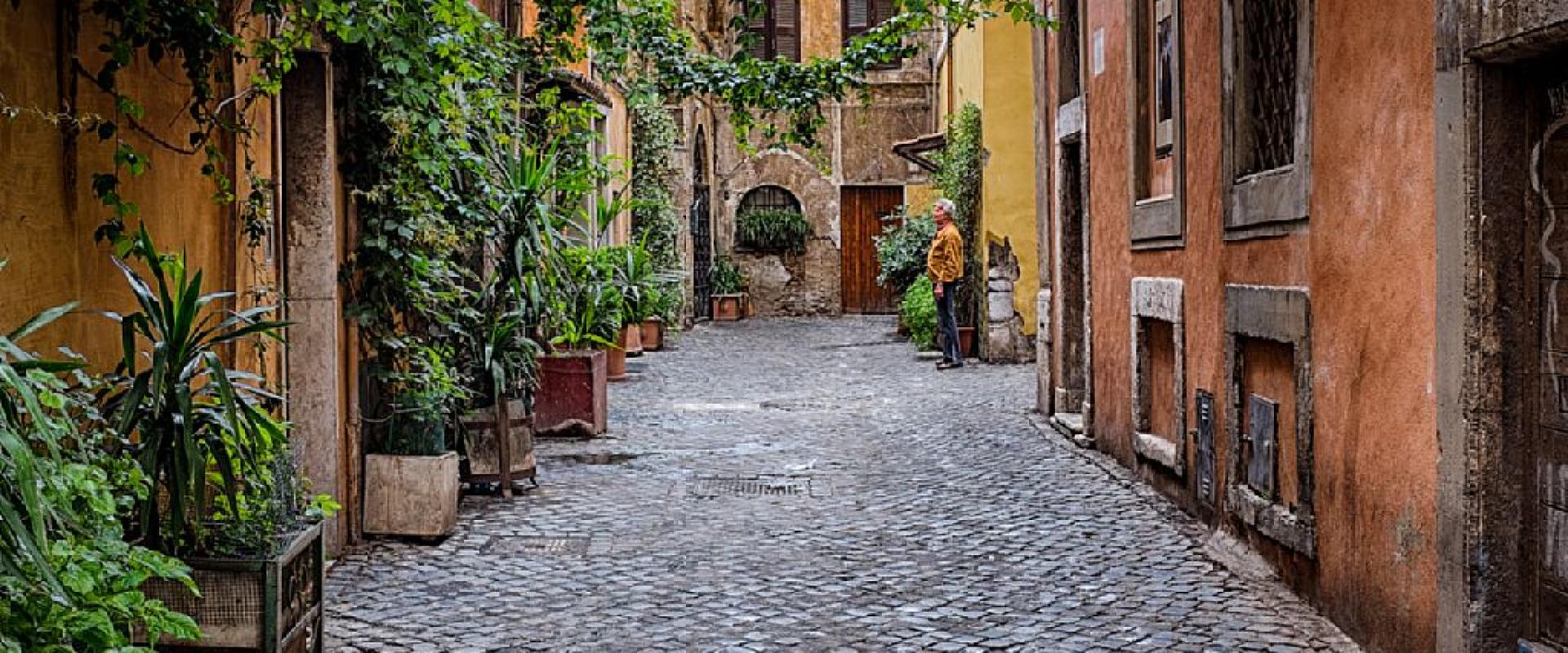
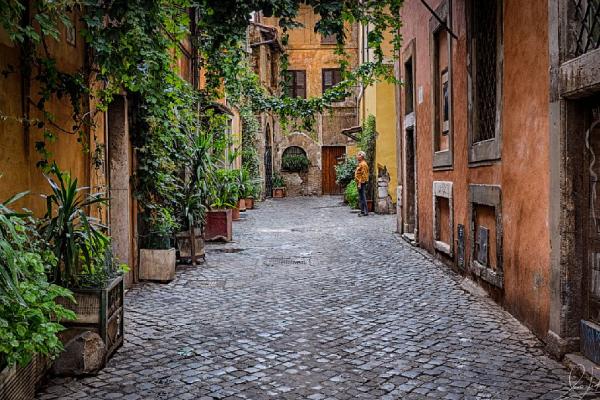
Trastevere is a charming neighborhood on the west bank of the Tiber River in Rome, known for its narrow, winding cobblestone streets and medieval architecture. Its name comes from the Latin trans Tiberim, meaning across the Tiber, and for much of Roman history it was a district apart from the center on the other side of the river. Historically a working-class district, home to sailors, artisans, fishermen and, in antiquity, a sizeable Jewish and foreign community, it has evolved into one of the most beloved areas of the city, retaining an authentic, village-like atmosphere. Its inhabitants have long considered themselves the truest Romans, and the neighborhood has its own dialect and traditions, including a lively summer festival, the Festa de Noantri, held in July.
The neighborhood is centered around the Basilica of Santa Maria in Trastevere, a beautiful early Christian church that is one of the oldest in Rome, with origins in the 3rd or 4th century and a main structure largely rebuilt in the 12th century. Its facade carries a mosaic of the Virgin with a procession of female figures, and the portico is lined with fragments of ancient inscriptions. Inside, a forest of ancient granite columns reused from Roman buildings leads to the apse, which is covered with shining mosaics of the 12th century in the Byzantine manner, with Byzantine gold grounds, and beneath them a series of scenes from the life of the Virgin, painted in the late 13th century by Pietro Cavallini, with figures of striking solidity, are among the finest works of medieval painting in Rome.
Visitors can explore the area on foot, wandering through picturesque squares like Piazza di Santa Maria, with its octagonal fountain, which is a gathering place for locals and visitors, and Piazza di San Cosimato, where a morning market sells fruit, vegetables and flowers. The streets are lined with traditional trattorias, cafes and artisan shops, offering a vibrant dining and shopping experience. Menus feature the classics of Roman cooking, from cacio e pepe and carbonara to fried artichokes and supplì, rice croquettes with mozzarella, and many restaurants set tables outside along the lanes. The area is particularly lively in the evenings, when locals and tourists gather to enjoy aperitivos and dinner outdoors, so mornings and weekdays are better for those who prefer quiet.
The nearby Janiculum Hill offers panoramic views of Rome, providing a peaceful retreat from the bustling city center, and it can be reached by a stepped path or a short walk uphill, with a view over the domes and rooftops, especially fine at sunset. Villa Farnesina, a Renaissance villa in the neighborhood, is known for its frescoes by Raphael and his workshop, including the story of Cupid and Psyche, and the Botanical Garden of Rome lies on the slope behind. Across the river, the Tiber Island links the neighborhood to the historic center.
Trastevere is easily accessible by foot or public transport from other major landmarks, with tram and bus lines running through the area and bridges leading across the Tiber to the center. There are no admission fees for the neighborhood itself, as it is a public space. The experience is immersive, allowing guests to appreciate the daily life and cultural heritage of Rome. The blend of historical significance and contemporary vibrancy makes Trastevere an essential destination for those seeking a genuine Roman experience. Its narrow alleys and hidden courtyards offer a sense of discovery, and the warm hospitality of the locals adds to the welcoming atmosphere.
Categories
More photos coming soon
Nearby Attractions
Other places to visit in Rome
The Colosseum
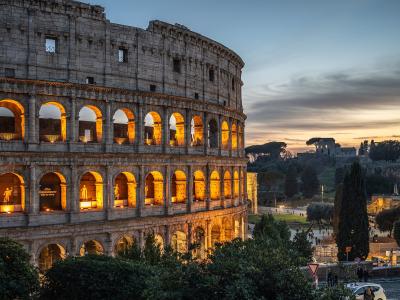
Largest ancient amphitheater, built 70-80 AD
Ancient Ruins · Architectural Monuments
Vatican Museums
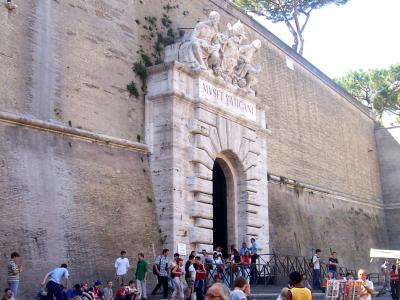
Papal museums housing Renaissance masterpieces
From €5 History & Heritage · Museums & Culture
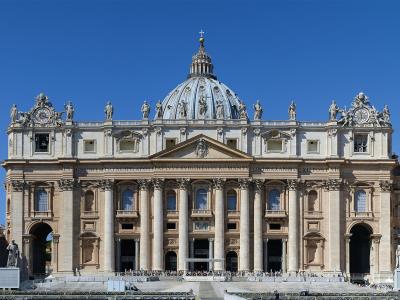
Vatican City (St. Peter's Basilica)
Renaissance basilica on Saint Peter's burial site
Architectural Monuments · Art Museums
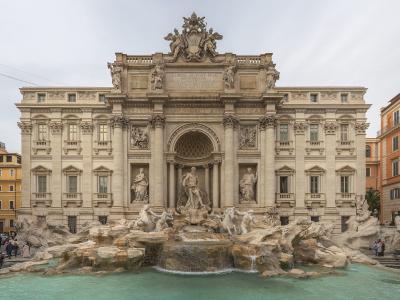
Trevi Fountain
18th-century Baroque fountain in Rome
From €2 Architectural Monuments · Historic Fountains
Questions people ask
Quick Facts
Best Time to Visit
Visit in April to June or September to October for mild temperatures and fewer crowds.