

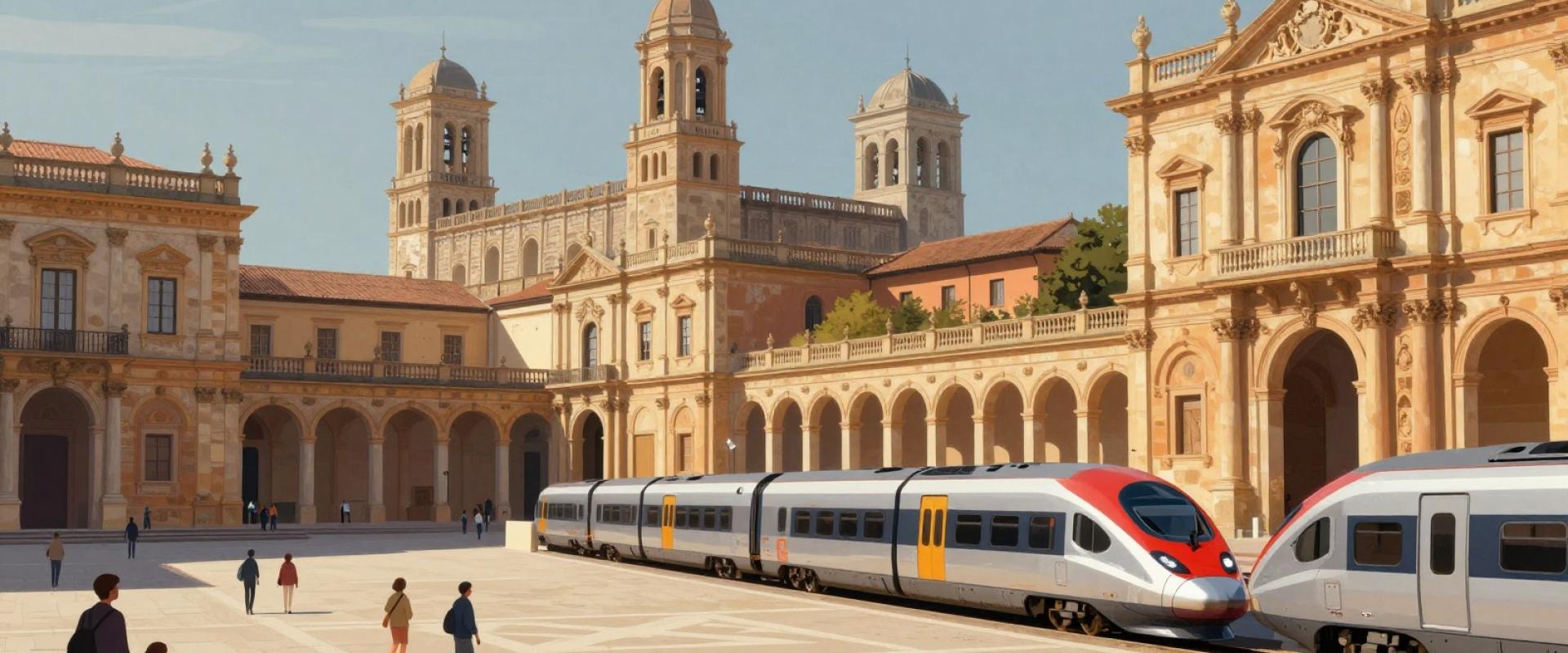
Italy’s high-speed rail market features two primary operators: Trenitalia and Italo. Trenitalia operates the Frecciarossa service, the national carrier’s flagship high-speed train. Italo is the private competitor running its own distinct fleet. Both utilize the same dedicated Alta Velocità infrastructure. However, they maintain separate booking systems and ticketing platforms. Travelers must check both websites to compare real-time availability. Trenitalia’s Frecciarossa reaches commercial speeds of 300 km/h. Italo offers comparable speeds on similar major routes. No operator holds inherent superiority over the other. Differences lie in specific service amenities and loyalty programs. Frecciarossa offers four classes, ranging from Standard to Executive. Italo provides its own tiered seating options. Prices fluctuate dynamically for both companies. Booking early often yields the lowest fares for either. You must distinguish between the two brands when planning. Confusing the operators can lead to booking errors. Always verify the operator name on your ticket. Trenitalia connects cities like Milan, Rome, and Naples. Italo serves these same major urban hubs. Comparing both ensures you secure the best value. This dual structure creates a competitive pricing environment. Understanding this landscape is essential for efficient travel.
Class Distinctions and Onboard Amenities
Trenitalia’s Frecciarossa offers four distinct classes. Standard provides basic seating with power outlets. Premium includes a welcome drink and snack. Business class features wider seats and complimentary meals. Executive offers the most space and priority lounge access. Italo operates three tiers. Smart is the economy option with standard amenities. Prima provides extra legroom and complimentary refreshments. Club Executive delivers premium service and lounge entry. Both operators prioritize comfort on high-speed routes. Lounges are available at major stations like Roma Termini. Meals vary by class and journey length. Short trips under two hours may not require upgrades. Standard seats suffice for quick commutes. Longer journeys benefit from Business or Club Executive. The price difference justifies the comfort. Seat pitch increases significantly in higher tiers. Power outlets are standard in all classes. Wi-Fi availability depends on the specific train model. Booking early secures better fares across all tiers. Choose based on budget and travel duration. Prioritize lounge access for tight connections. Comfort matters most for full-day travel.
Strategic Booking and Fare Systems
Italy’s high-speed rail uses dynamic pricing. Book 90-120 days in advance for lowest rates. Trenitalia and Italo adjust fares based on demand. Prices rise as departure nears. Two main fare types exist. Non-refundable tickets offer the best value. Flexible fares cost more but allow changes. Always use official operator websites. Trenitalia and Italo sites are safest. Third-party aggregators often add hidden fees. These extra costs reduce savings. Trenitalia offers the FrecciaCard loyalty program. Italo provides the ItaloCard system. Both reward frequent travelers with points. Points convert to future ticket discounts. Credit cards are widely accepted online. Debit cards also work reliably. Avoid last-minute bookings for long routes. Milan to Rome fares spike quickly. Secure tickets early for peace of mind. Check official sites for flash sales. These promotions appear without warning. Plan your journey with precision. Early booking ensures seat availability. Italo and Trenitalia compete on price. This competition benefits the passenger. Compare both operators before purchasing. Official channels guarantee valid tickets. Avoid unauthorized resellers entirely.
Arrive at major hubs like Roma Termini or Milano Centrale early. Digital boards display real-time platform assignments. Check screens frequently for last-minute changes. Trenitalia and Italo stations share large concourses. Follow clear signage for your specific operator. Boarding begins approximately ten minutes before departure. Gates close strictly at the scheduled time. Your e-ticket serves as your boarding pass. No physical validation stamp is required in Italy. Simply present the digital QR code to staff. Seat numbers are printed directly on your ticket. Enforcement is strict; you must occupy your assigned seat. Overhead racks accommodate standard carry-on luggage. Dedicated spaces exist for larger suitcases near doors. Accessibility features include elevators and priority boarding zones. Staff assist passengers with reduced mobility. Keep valuables secure in your personal bag. The environment is modern and efficient. Follow crew instructions during the journey. Disembark promptly to allow other passengers to board. This procedure ensures smooth operations across the Alta Velocità network.
Essential Traveler Checklist
- Carry valid ID or passport. Police conduct random checks onboard Frecciarossa and Italo trains. Fines apply for invalid tickets.
- Download official Trenitalia and Italo apps. These provide real-time platform updates and digital tickets. Screens often change last minute at hubs like Roma Termini.
- Allow extra time for station navigation. Major stations are large. Locate your specific platform on digital boards before boarding.
- Respect onboard etiquette. Keep voices low in Standard and Premium cars. Store luggage in designated overhead racks or rear areas. Business and Executive passengers enjoy priority boarding and dedicated lounge access. Keep aisles clear for service carts. Power outlets are available in all classes. Book early for lower fares on the Alta Velocità network.