







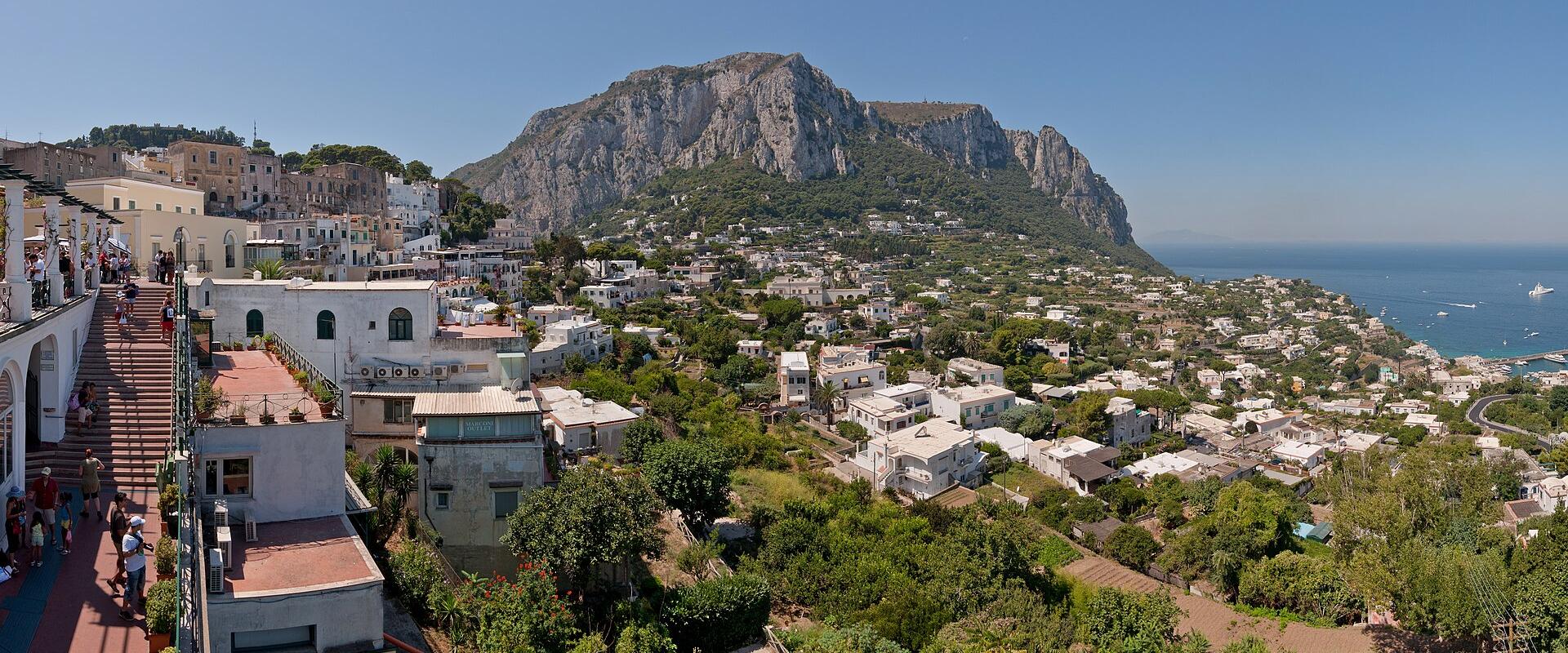
Capri
Iconic Italian island with Blue Grotto, dramatic cliffs, and luxury resorts
Capri’s history goes back to ancient times, when it was known as Capreae. The island became a favourite retreat for Roman emperors, particularly Tiberius, who built a series of luxurious villas there, including the Villa Jovis, one of the largest and most impressive Roman villas. The island stayed a place of refuge and luxury through the Middle Ages and Renaissance, attracting poets, artists, and writers in the 19th and 20th centuries. This cultural influx confirmed Capri’s reputation as a haven for the wealthy and famous. The island’s architecture reflects this layered history, with Roman ruins, medieval chapels, and elegant 19th-century villas coexisting. Today Capri is a global symbol of glamour and natural beauty, preserving its historic charm while catering to international tourism.
The main attractions are centred on natural landmarks and historic sites. The Blue Grotto (Grotta Azzurra) is the island’s most famous natural wonder, a sea cave illuminated by sunlight filtering through an underwater opening, creating a brilliant blue glow. Visitors take small rowing boats into the grotto, subject to sea conditions. The Gardens of Augustus offer panoramic views of the Faraglioni, three rock stacks rising from the sea. The Via Krupp, a winding footpath connecting the Gardens of Augustus to Marina Piccola, is a historic piece of engineering with coastal views. The Villa Jovis, on the eastern headland above Capri town, gives insight into Roman imperial life with its extensive ruins, and the small Church of Santa Maria del Soccorso stands within the archaeological site. The Chair Lift to Monte Solaro, the highest point on the island, offers 360-degree views of the Bay of Naples and the Amalfi Coast. The Piazzetta (Piazza Umberto I) in Capri town is the social centre of the island, lined with cafes and shops.
In Anacapri, the Church of San Michele Arcangelo has a famous majolica floor, and Villa San Michele, built by the Swedish doctor Axel Munthe at the top of the Phoenician Steps, has gardens with sea views. The Certosa di San Giacomo, a former monastery, and the Museo Archeologico di Capri add to the island’s cultural interest. Marina Grande is the main port, linked to the town above by the Funicolare di Capri, the historic funicular.
Activities in Capri include boat tours, hiking, and exploring the towns. Visitors can take boat trips to the Faraglioni rocks and other sea caves, such as the Green Grotto and the White Grotto. Hiking trails lead to Anacapri and Monte Solaro, with routes through olive groves and pine forests. The island is known for limoncello, a lemon liqueur made from local lemons, and visitors can tour distilleries. Dining features fresh seafood and traditional Campanian cuisine, including the caprese salad, with many restaurants offering sea views. Shopping includes luxury brands, local ceramics, and silk products. The island hosts cultural events and festivals through the year, celebrating its artistic heritage.
Getting to Capri is convenient by ferry from Naples, Sorrento, and Amalfi. The main port is Marina Grande in Capri town, with funiculars and buses connecting to the upper town and Anacapri. For those flying, the nearest airports are in Naples and Rome, and Naples is much closer.
The best time to visit Capri is from April to June or September to October, when the weather is mild and pleasant, ideal for outdoor activities and sightseeing. July and August are peak tourist months, with higher temperatures, larger crowds, and higher prices. Winter is mild but some services may be limited. Despite the seasonal variations, Capri’s natural beauty and historic charm make it a rewarding destination year-round.
Best time to visit
Visit between April and June or September and October for mild temperatures and fewer crowds.
What to see in Capri
Our picks first.
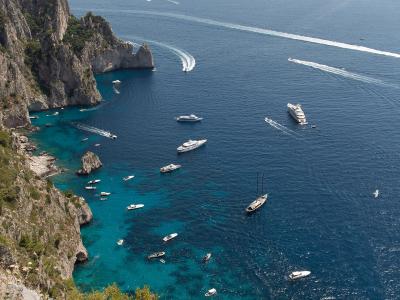
Blue Grotto (Grotta Azzurra)
Sea cave illuminated by sunlight through underwater openings
Activities & Wellness · Coastal & Maritime
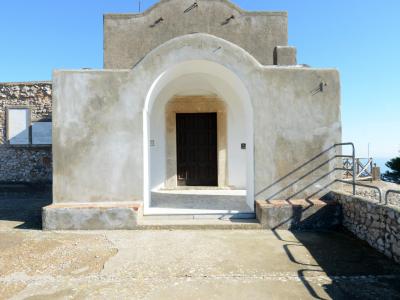
Church of Santa Maria del Soccorso
17th-century church atop Lo Capo hill
Ancient Ruins · Historic Churches
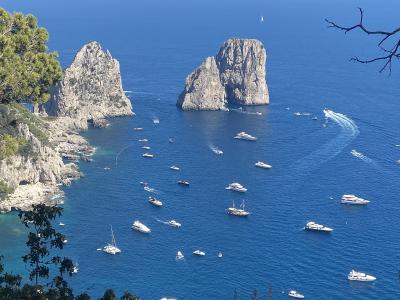
Faraglioni di Capri
Three iconic sea stacks rising 100m from the Mediterranean
Activities & Wellness · Coastal & Maritime
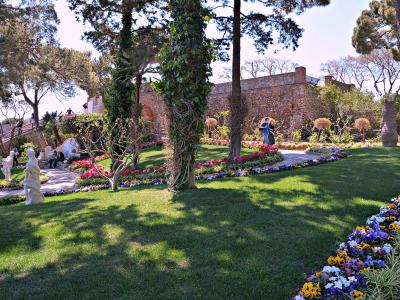
Gardens of Augustus
Terraced gardens with panoramic views of the Faraglioni
From €2.50 Coastal & Maritime · History & Heritage
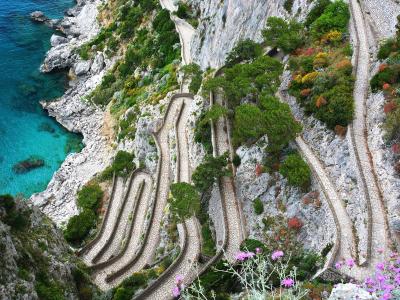
Via Krupp
Historic hairpin footpath on Capri's cliffs
Coastal Walks · Hiking Trails
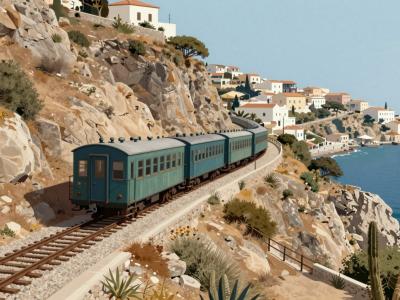
Anacapri Funicular
1907 funicular linking Capri's harbor to the hilltop
Coastal & Maritime · History & Heritage
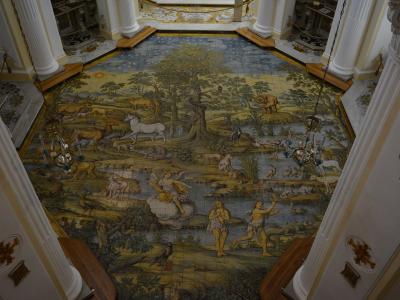
Church of San Michele Arcangelo
18th-century Baroque church with notable majica floor
Architectural Monuments · Historic Churches
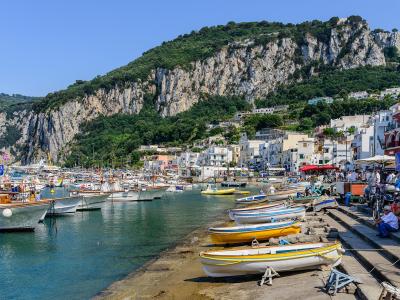
Marina Grande
Capri's main port and largest public beach
Free Coastal & Maritime · Natural Wonders
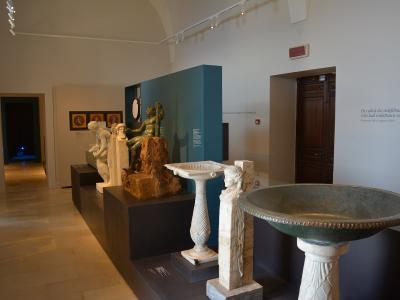
Museo Archeologico di Capri
Roman imperial artifacts from Augustus and Tiberius
Archaeological Museums · Historic Palaces
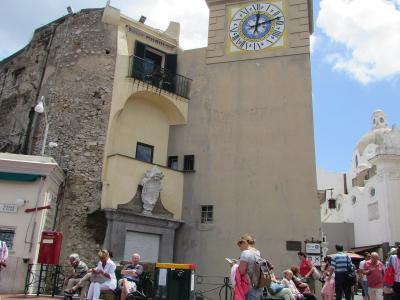
Piazzetta (Piazza Umberto I)
Historic market square and social hub in Capri
Harbor Views · Historic Districts
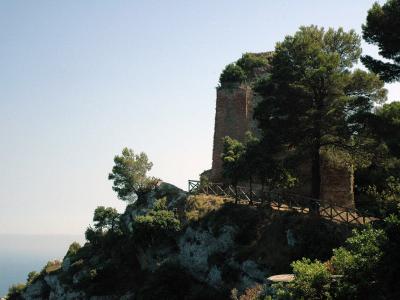
Villa Jovis
Tiberius's 1st-century Roman palace on Capri
Ancient Ruins · Historic Palaces
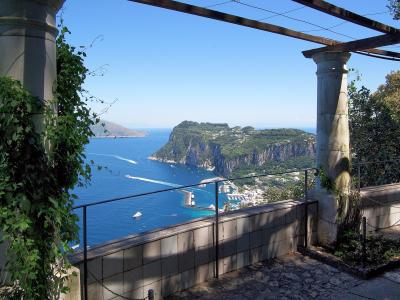
Villa San Michele
Axel Munthe’s 19th-century villa with panoramic gardens
History & Heritage · Museums & Culture
Capri by interest
The same sights, grouped by what you came for.
Did you know?
Checked facts about Capri, each with its source.
-
Film & TV
Bardot Filmed "Contempt" on Capri's Casa Malaparte
Casa Malaparte, the red villa on the cliffs of Punta Massullo built for writer Curzio Malaparte between 1938 and 1940, is where Jean-Luc Godard shot the second part of his 1963 film Contempt (Le Mépris). Brigitte Bardot's scene sunbathing on its flat roof terrace became one of the film's best-known images.
Source: Capri.com
Planning a visit to Capri
Itineraries that include Capri
Good to know
- Currency
- EUR
- Language
- Italian
Quick Facts
Book your stay
Questions people ask
More places in Campania and Amalfi Coast
Campania and Amalfi Coast
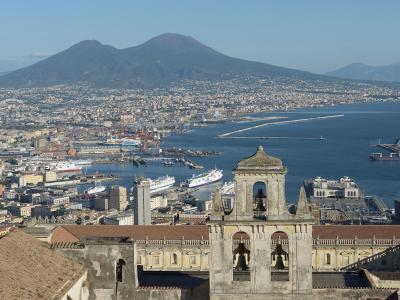
Naples
Vibrant Neapolitan city with UNESCO heritage, pizza origins, and Vesuvius views
Campania and Amalfi Coast
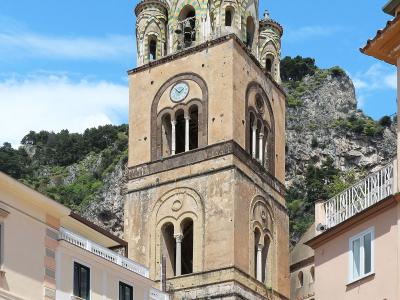
Amalfi
Historic maritime republic on the Amalfi Coast with dramatic cliffs
Campania and Amalfi Coast
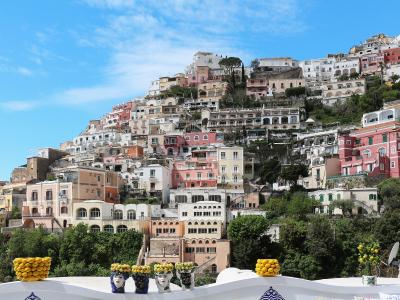
Positano
Iconic Amalfi Coast village with cascading pastel buildings and cliffs
Campania and Amalfi Coast
Pompeii
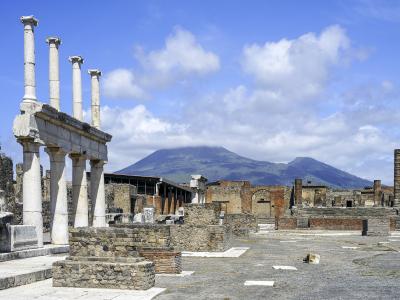
The Roman city buried by Vesuvius, and the pilgrimage town that grew beside it