Verona
UNESCO-listed Roman amphitheater and Shakespearean city in Veneto
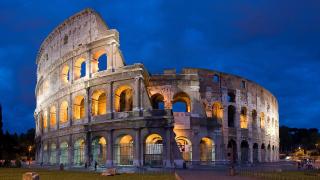
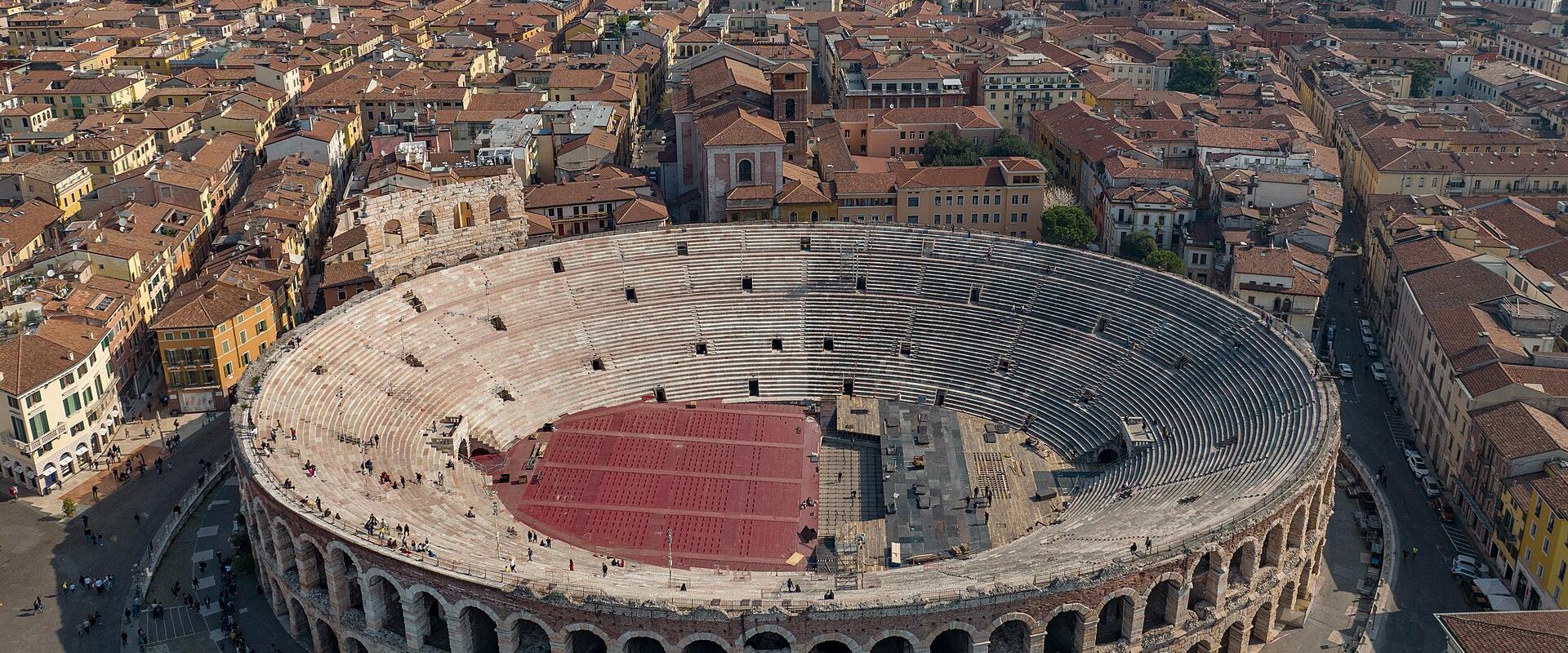
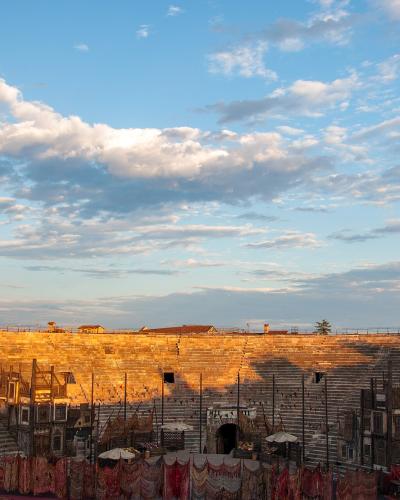
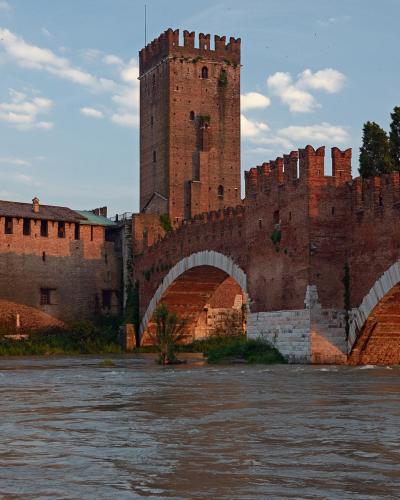
Verona’s history spans over two millennia, beginning with its founding as a Roman colony in 89 BC. The city thrived under Roman rule, leaving behind significant architectural landmarks such as the Arena di Verona, a Roman amphitheater that is one of the largest and best-preserved in the world. After the fall of Rome, Verona was ruled by various powers, including the Ostrogoths, Lombards, and Franks. In the 13th and 14th centuries, the Scaliger family established their rule, transforming Verona into a powerful medieval state. The Scaligers built fortifications, palaces, and bridges, including the Ponte Scaligero, which still stands today. In 1405, Verona came under the control of the Republic of Venice, a period that brought stability and further artistic development. The city remained Venetian until 1797, when it was annexed by Napoleon. Throughout these periods, Verona maintained its cultural significance, eventually becoming the setting for Shakespeare’s famous tragedy, which cemented its reputation as the 'City of Love.'
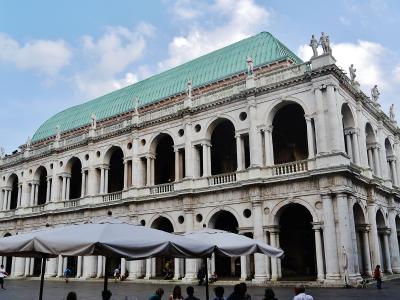
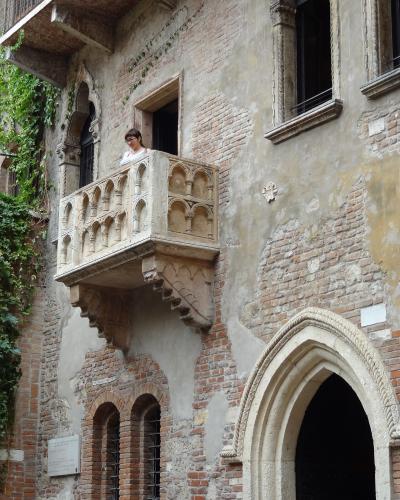
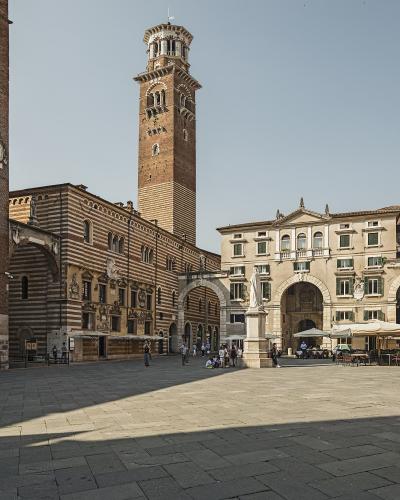
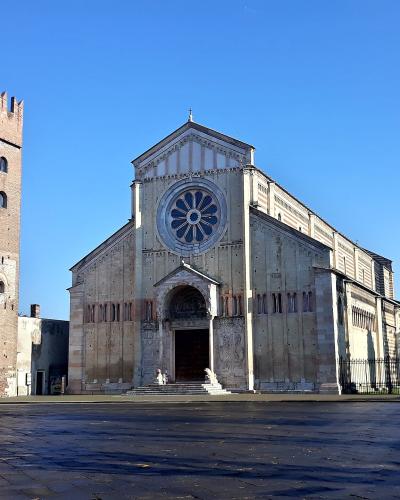
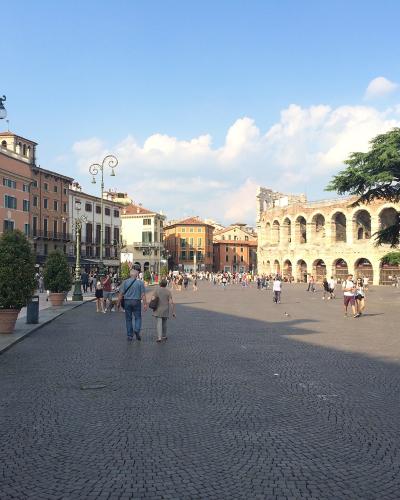
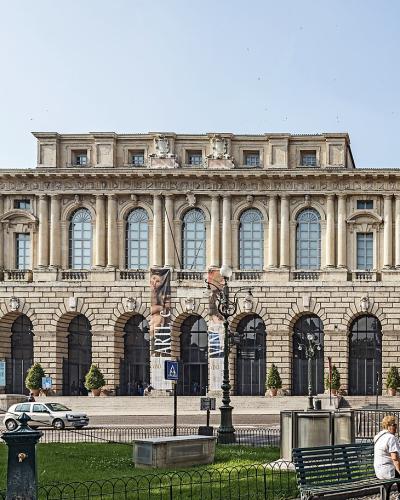
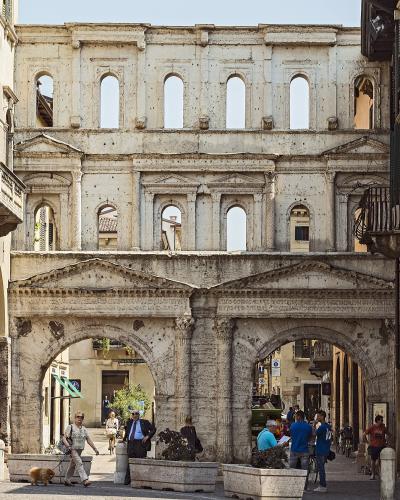
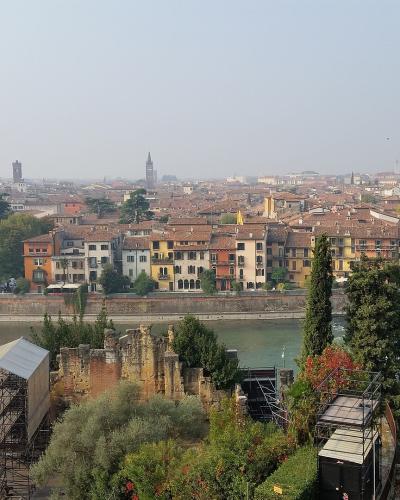
The main attractions in Verona are centered around its historic center. The Arena di Verona is the city’s most iconic landmark, hosting world-famous opera performances during the summer festival. Piazza delle Erbe, the city’s main square, is surrounded by medieval buildings, including the Casa di Giulietta (Juliet’s House), a popular tourist site associated with the Shakespearean legend. The Piazza features the Madonna Verona fountain and the Lamberti Tower, which offers panoramic views of the city. The Castelvecchio, a medieval fortress on the Adige River, houses a museum with art and artifacts from the Scaliger period. The Basilica of San Zeno Maggiore is a masterpiece of Romanesque architecture, known for its bronze doors and bell tower. Other notable sites include the Roman Theatre, the Arch of Scipio, and the Palazzo della Ragione. The city’s compact historic center is easily walkable, allowing visitors to explore its narrow streets and hidden courtyards.
Activities in Verona include attending opera performances, exploring the historic sites, and enjoying the local cuisine. The city is famous for its Valpolicella wines, and visitors can take wine tours to nearby vineyards. The Adige River offers scenic walks and boat rides. Verona is also a base for exploring the surrounding countryside, including the Lessini Mountains and Lake Garda. Dining in Verona features traditional Venetian and Veronese dishes, such as risotto all’Amarone and pastissada de caval. The city hosts various festivals and events throughout the year, celebrating its artistic and culinary heritage. Shopping includes local ceramics, leather goods, and wine.
Getting to Verona is convenient via rail and road. Verona Porta Nuova is a major railway hub with high-speed connections to Milan, Venice, and Rome. The city is well-connected by the A4 and A22 motorways. For those traveling by air, the nearest airports are in Venice, Milan, and Verona’s own Villafranca Airport, which offers domestic and some international flights. The best time to visit Verona is from April to June or September to October, when the weather is mild and pleasant, ideal for exploring the outdoor attractions and historic sites. July and August are peak tourist months, with higher temperatures and larger crowds, particularly for the opera festival. Winter is cold but rarely severe. Despite the seasonal variations, Verona’s rich history and cultural offerings make it a rewarding destination year-round.
Best Time to Visit
Visit between April and June or September and October for mild temperatures and fewer crowds.
Did you know?
Interesting, verified facts about Verona
Composer Antonio Salieri Born Here
Notable PersonAntonio Salieri, the famous composer often associated with Mozart, was born in Verona, Italy.
Source: external sourcePoet Catullus Was a Veronese Native
Notable PersonCatullus, one of the most significant poets of the Roman Republic, was born in Verona.
Source: external sourcePlan Your Visit to Verona
Essential travel tips and information for your trip to Verona.
Suggested Itineraries
One Day in Verona
1 dayPerfect for a quick visit. See the main highlights and get a taste of local culture.
Extended Verona Experience
2-3 daysComprehensive exploration including nearby attractions and cultural experiences.
Travel Tips
Currency
EUR • Cards widely accepted
Language
Italian • English in tourist areas
WiFi
Free WiFi in cafes and hotels
Explore Verona by Interest
Discover attractions and experiences in Verona organized by your interests and travel preferences.
All attractions in Verona
Sorted by our recommendation score
Quick Facts
Book your stay
Frequently Asked Questions
More destinations in Veneto and the Dolomites
Explore other amazing places in the Veneto and the Dolomites region