




Regional Geography and Access
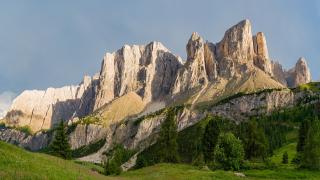
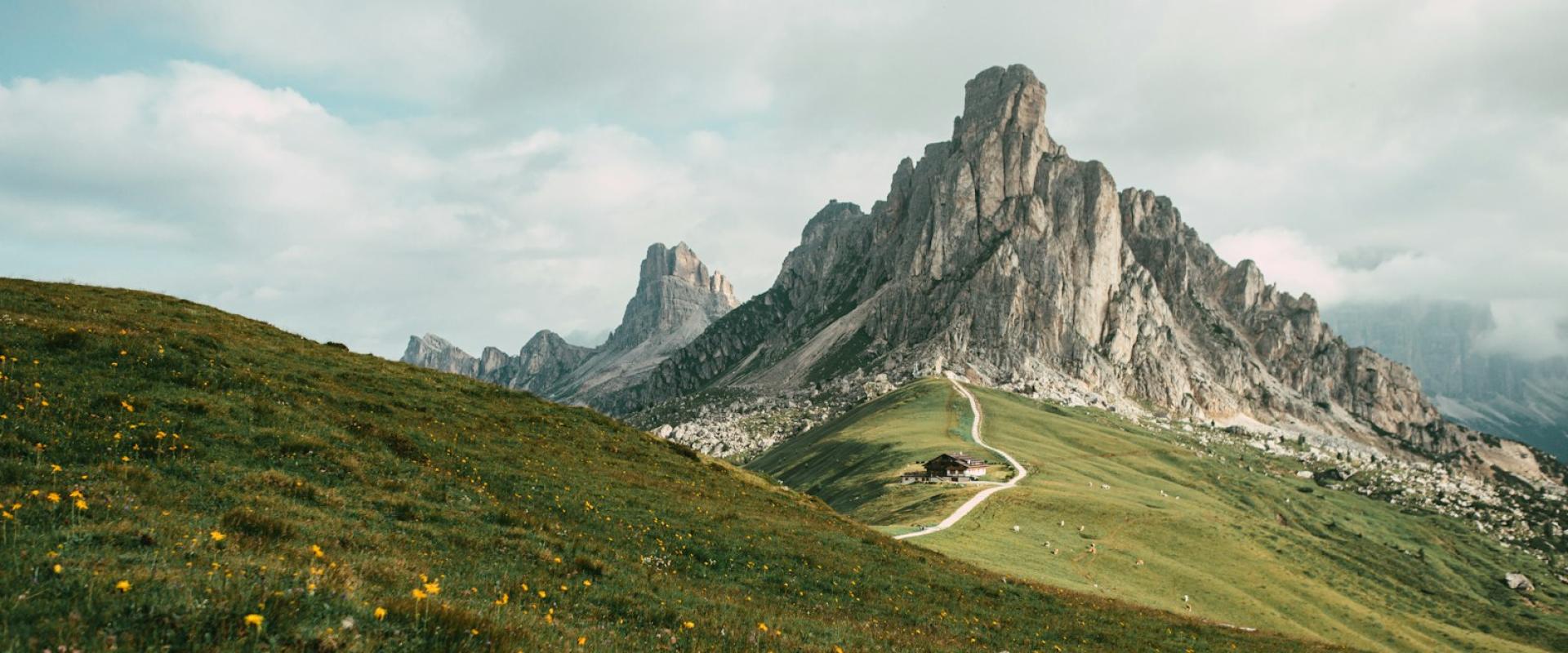
The Dolomites occupy northeastern Italy, spanning South Tyrol, Trentino, and Belluno provinces. This UNESCO World Heritage site features distinct limestone peaks. The terrain presents unique hiking challenges. Trails range from easy paths to via ferrata routes. Hikers must navigate exposed ridges and loose gravel. Sudden weather shifts pose significant risks. The Italian Alpine Rescue Corps handles over 1,200 annual incidents. Preparation requires stiff-soled boots and trekking poles. Early starts by 6 AM mitigate rockfall hazards. Gateway towns include Bolzano and Belluno. Transport relies on the A22 motorway. Rail connections link major hubs efficiently. South Tyrol offers extensive ski infrastructure. Trentino provides diverse alpine trails. Belluno focuses on rugged hiking routes. Local protocols follow Club Alpino Italiano standards. Visitors must respect Leave No Trace principles. Gear checks are essential before ascent. Safety remains the primary concern for all activities.
Summer Hiking Infrastructure
The Club Alpino Italiano (CAI) manages the extensive trail network. Trails use a standardized color-coding system for difficulty. Blue routes are easy. Red paths are moderate. Black trails require expert skills. Via ferrata routes demand specific gear. Hikers must carry harnesses, helmets, and carabiners. These routes are bolted into the limestone rock. The mountain hut network, known as rifugi, is vital. These structures provide shelter and meals along routes. Booking is essential during the peak season. The hiking season runs from June to October. Weather shifts rapidly in these high-altitude zones. Hikers should start trails by 6 AM. This timing reduces exposure to afternoon rockfall. Loose gravel and exposed ridges pose significant risks. Falls account for forty percent of rescue incidents. Navigation requires detailed maps and reliable signage. The Italian Alpine Rescue Corps handles over 1,200 annual incidents. Proper stiff-soled boots are mandatory for support. Trekking poles help prevent slips on loose terrain. Always check current conditions before ascending. Safety protocols follow strict national guidelines. Leave No Trace principles apply to all trails.
Winter Skiing Networks
The Dolomiti Superski network connects major Italian resorts. This system spans South Tyrol and Trentino-Alto Adige. It offers one of Europe’s largest ski areas. Lifts operate daily from mid-December to April. Snow reliability depends on altitude and weather patterns. Higher elevations ensure consistent coverage for skiing. The regional lift pass provides access to all zones. This pass is valid across provincial borders. Terrain varies from gentle slopes to steep chutes. Off-piste skiing requires careful route planning. Safety regulations follow Italian alpine standards. Helmets are mandatory for children under age twelve. Rescue services are available via local mountain guides. The infrastructure supports both beginners and experts. Lift tickets can be purchased online in advance. Prices vary by resort and season length. Visitors should check daily snow reports online. Weather conditions change rapidly in the mountains. Proper gear is essential for safe travel. The network facilitates easy transfers between valleys. This connectivity reduces travel time significantly. Skiers can access diverse landscapes daily. The system remains a key economic driver. Local municipalities maintain the primary lift lines. Private operators manage many high-speed chairlifts. This mix ensures efficient crowd management. Winter sports remain central to regional identity.
Safety Protocols and Hazards
The Italian Alpine Rescue Corps (CNSAS) handled over 1,200 incidents in 2023. Falls cause 40% of these accidents. Rockfall is frequent on popular routes. Hikers must start by 6 AM to avoid falling debris. Sudden weather shifts also pose significant hypothermia risks. Stiff-soled boots provide essential support on loose gravel. Via ferrata routes require specific harnesses and helmets. Trekking poles help prevent slips on exposed ridges. Skiers must carry avalanche safety equipment. This includes beacons, probes, and shovels. The Dolomiti Superski network spans multiple provinces. Lifts operate daily from mid-December. Emergency services are accessible via local protocols. Register itineraries with the Club Alpino Italiano. This ensures faster rescue coordination if needed. Leave No Trace principles apply to all trails. The terrain varies from easy paths to expert climbs. Proper gear mitigates risks from lingering snow. Always check local conditions before ascending peaks.
Logistical Planning and Essentials
Regional transit passes vary by province. South Tyrol offers the Dolomiti Card for transport. Trentino provides the Trentino Card. These passes cover buses and trains. Book rifugios months in advance. Mountain huts fill quickly in summer. Accommodation costs rise during peak seasons. Equipment rental is available in Val Gardena. Stiff-soled boots are mandatory for via ferratas. Purchase harnesses and helmets locally. Pack layers for sudden weather shifts. Altitude sickness is rare below 3,000 meters. Drink water to prevent dehydration. Start hikes by 6 AM. This avoids rockfall hazards. Local customs respect quiet hours. Remove shoes in rifugios. Carry cash for remote huts. Credit cards are not always accepted. Check trail conditions daily. The CNSAS website updates safety alerts. Plan daily logistics around lift times. Ski resorts open mid-December. Trails close in winter. Pack trekking poles for stability. Leave No Trace principles apply strictly. Dispose of waste properly. Respect wildlife habitats. Follow CAI trail markers. Blue routes are easy. Red paths are moderate. Black trails require experience. Prepare for temperature drops. Hypothermia risks exist year-round. Carry a first aid kit. Inform others of your route. Emergency number is 112. Italian rescue teams respond quickly. Stay hydrated and energized. Enjoy the UNESCO landscape responsibly.