







- Admission
- Free admission
- Hours
- Public access (no specified opening hours)
- Where
- Rome, Lazio
- Directions
- Directions
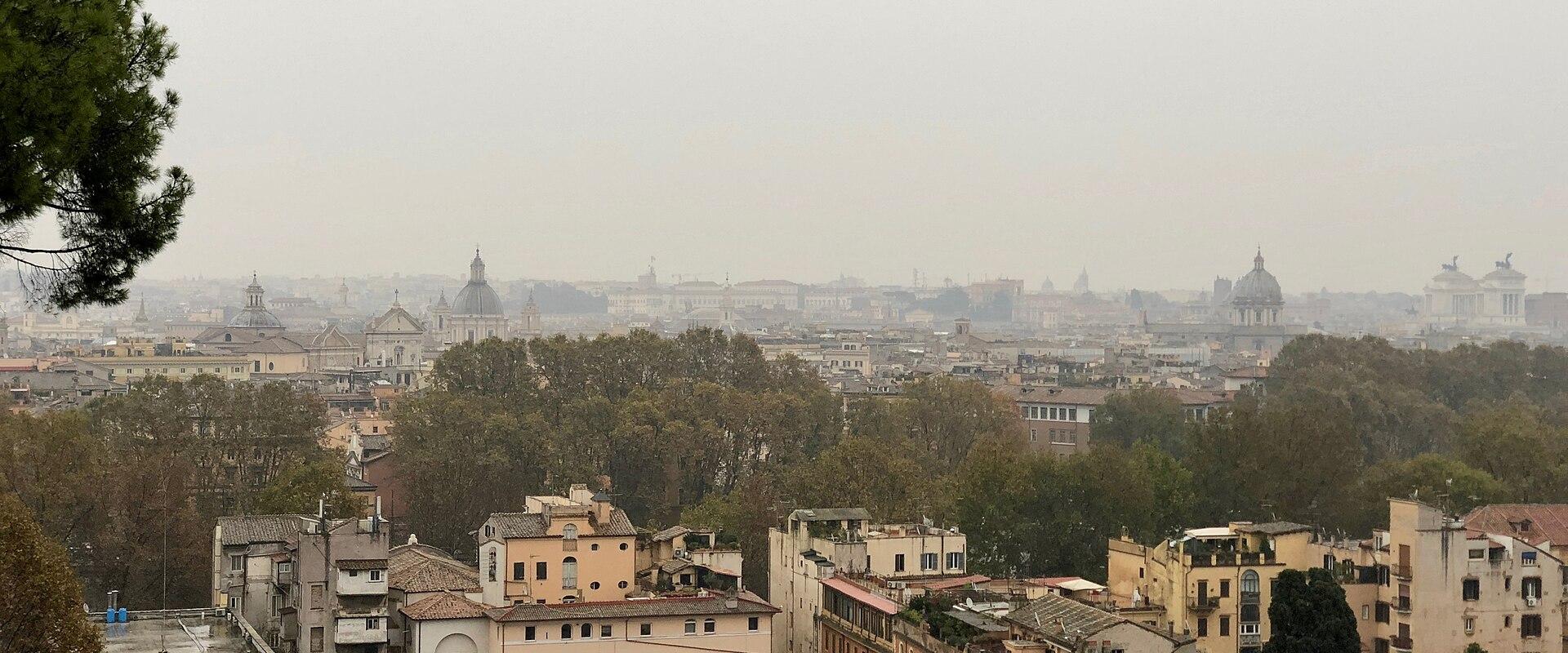
Janiculum Hill, known as Monte Gianicolo, is a free public park located approximately two kilometers west of the Vatican, on the west bank of the Tiber, above the quarter of Trastevere. Standing about 85 meters above the Tiber River, it offers some of the most panoramic views of Rome’s historic center. Although not one of the traditional seven hills, it is a favorite among locals and travelers seeking broad city vistas without the crowds found in other tourist areas. The hill is accessible year-round, with no admission fees or specified opening hours, allowing for flexible visitation. The name comes from the Roman god Janus, and according to legend, a settlement founded by Janus stood on the hill in the earliest days of Rome.
Key features include the Fontana dell’Acqua Paola, a grand fountain built in 1612 that is a central landmark. Nicknamed the Fontanone, the big fountain, it was built for Pope Paul V at the end of an ancient aqueduct restored by the pope, and it is a monumental facade with five arches of pink and white marble, with water gushing into a wide basin, and the marble was taken from the ruins of the Roman Forum. Visitors can also find the Garibaldi Monument, from which the terrace provides a sweeping view of the city. The equestrian statue of Giuseppe Garibaldi, the leader of Italian unification, stands on a high pedestal, and in 1849 the hill was the scene of the fiercest fighting of the defense of the short-lived Roman Republic against the French troops, in which Garibaldi commanded the defenders. The area is rich in historical and cultural significance, featuring monuments dedicated to various figures who contributed to the Italian unification, and the avenue along the ridge is lined with busts of patriots and volunteers, set among pine trees.
The natural setting includes gardens and walking paths that provide a tranquil escape from the bustling streets below. A daily tradition on the hill is the firing of a cannon at noon, which has been carried out since the 19th century so that the people of Rome could set their clocks, and the boom can be heard across the city, a spectacle that draws many visitors. Families gather at a puppet theatre on the hill, where marionette shows have entertained children for generations, and the hill is a favorite place for walks, for picnics and for couples at sunset.
Spring is often considered the best time to visit, with average temperatures around 18°C, making it comfortable for exploring the terraces and gardens. The hill’s location slightly apart from standard tourist trails enhances its appeal for those seeking a quieter experience. At its foot, the church of San Pietro in Montorio holds the Tempietto, a small round temple designed by Bramante in the early 16th century, a gem of the High Renaissance, built where, according to tradition, Saint Peter was crucified. Visitors can enjoy the blend of historical monuments, natural beauty and urban scenery.
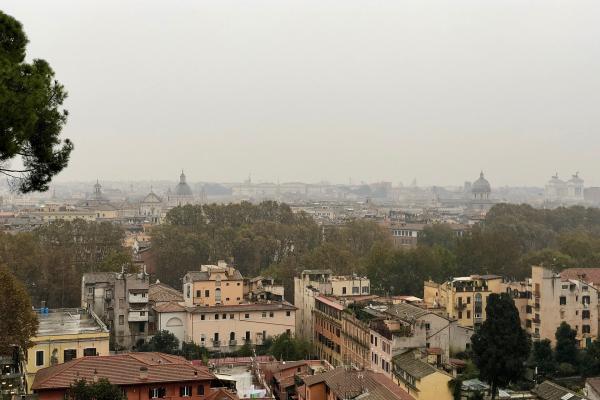
It is an ideal spot for photography and reflection, offering a unique perspective on Rome’s architectural landscape, with the domes of the churches, the dome of St. Peter’s and the white Vittoriano monument all visible, and the Alban Hills in the distance. The accessibility and lack of entry costs make it an essential stop for anyone exploring the western part of the city. It can be reached on foot from Trastevere by a steep staircase or by a gentle road, and a bus runs to the top.
Categories
More photos coming soon
Hours & Fees
- Open
- Public access (no specified opening hours)
- Admission
- Free admission
Hours and prices change, especially out of season. Check with the venue before you go.
Nearby Attractions
Other places to visit in Rome
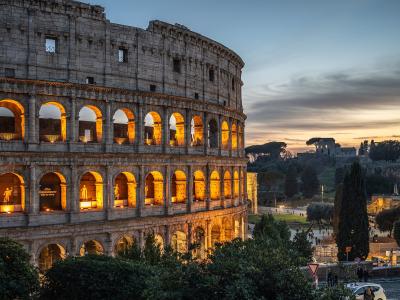
The Colosseum
Largest ancient amphitheater, built 70-80 AD
Ancient Ruins · Architectural Monuments
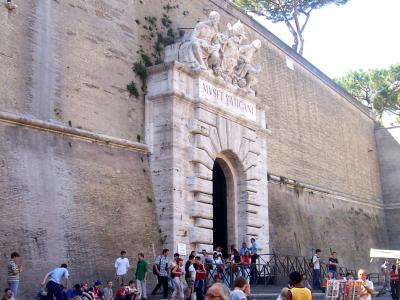
Vatican Museums
Papal museums housing Renaissance masterpieces
From €5 History & Heritage · Museums & Culture
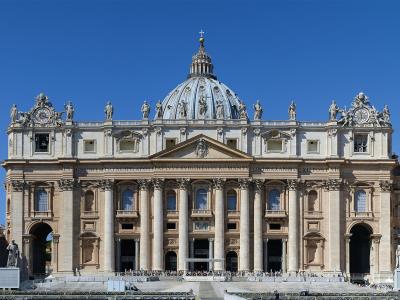
Vatican City (St. Peter's Basilica)
Renaissance basilica on Saint Peter's burial site
Architectural Monuments · Art Museums
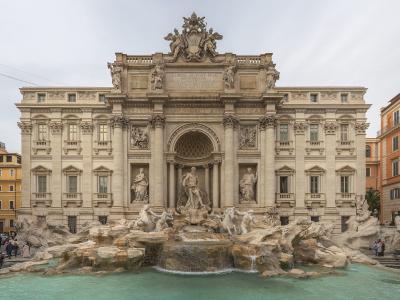
Trevi Fountain
18th-century Baroque fountain in Rome
From €2 Architectural Monuments · Historic Fountains
Questions people ask
Quick Facts
Best Time to Visit
Visit in April to June or September to October for mild temperatures and fewer crowds.