







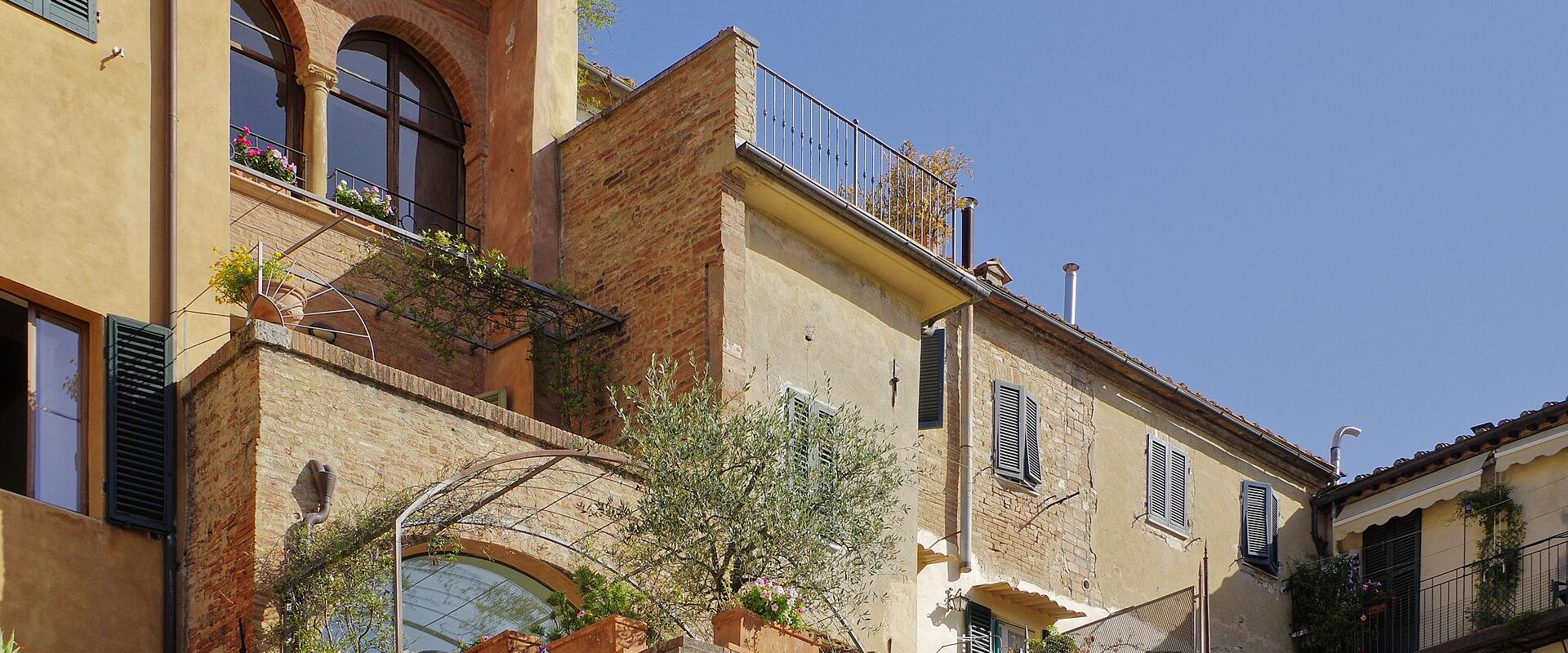
Siena’s history goes back to Etruscan times, but the city flourished as a powerful independent republic during the Middle Ages. By the 13th and 14th centuries Siena was one of the most important cities in Europe, known for its banking, artistic achievements, and political influence; its Monte dei Paschi bank, founded in 1472, is among the oldest in the world. The rivalry with Florence defined much of its history, with the Battle of Montaperti in 1260, where Siena won a significant victory. The Black Death of 1348 and defeats by Florence, together with internal conflicts, led to a decline in power. In 1555 Siena surrendered to Florence after a long siege, becoming part of the Grand Duchy of Tuscany. Despite losing its political independence, Siena preserved its medieval character and artistic treasures. The 19th and 20th centuries saw the city become a centre for art history and tourism, and its historic centre was recognized as a UNESCO World Heritage site in 1995. The Palio di Siena, a horse race held in the Piazza del Campo on 2 July and 16 August, remains central to the city’s identity, fostering intense local pride and community engagement.
The main attractions are centred on the historic centre and the Piazza del Campo. The Piazza del Campo is a shell-shaped square, the site of the Palio, surrounded by elegant palaces such as the Palazzo Pubblico, the seat of the city government, which houses the Civic Museum (Museo Civico), the Sala del Mappamondo, and famous frescoes on good and bad government. The Torre del Mangia, an 87-metre brick tower beside it, can be climbed for a view of the whole city. The Cathedral of Siena (Duomo di Siena), the Cathedral of the Assumption of the Virgin Mary (Santa Maria Assunta), is a masterpiece of Italian Gothic architecture, with a black-and-white striped facade, a marble floor with intricate inlays, and a library with frescoes by Pinturicchio, while works by Michelangelo are among its sculptures. The Santa Maria della Scala, a former hospital and orphanage opposite the cathedral, is now a museum complex showing art and the history of medicine. The Pinacoteca Nazionale holds the works of the Sienese school, though visitors should check opening status. The Basilica of San Domenico is a Gothic church linked to Saint Catherine of Siena. The Palazzo Chigi-Saracini, a Gothic palace on Via di Città, is the seat of a music academy, and the Orto Botanico of the University is a calm green garden within the walls. The Collegiata di San Gimignano, in nearby San Gimignano, is often visited from Siena. The city is divided into districts called 'contrade,' each with its own identity, church, and museum.
Activities in Siena include exploring the historic sites, visiting museums, and experiencing local culture. The city is known for traditional Tuscan cuisine, including pici pasta, ribollita, and Chianti wine, and for sweets such as panforte and ricciarelli. Visitors can take guided tours to learn about the Palio and the city’s medieval history. The surrounding Chianti region offers wine tasting, hiking, and cycling. Siena also hosts festivals and events through the year, including the Siena Jazz Festival. Shopping includes local ceramics, textiles, and food products. For those interested in history, guided tours explore the city’s banking past and artistic heritage.
Getting to Siena is convenient by rail and road. The city is reached by car from Florence, about 60 kilometres away, via the A1 motorway and SS2, or by the dedicated superstrada. Siena has a bus station with connections to Florence, Rome, and other major cities, and a railway station, which is a short ride below the old town. For those flying, the nearest airports are in Florence and Pisa.
The best time to visit Siena is from April to June or September to October, when the weather is mild and pleasant, ideal for outdoor attractions and historic sites. July and August are peak tourist months, with higher temperatures and larger crowds, and the Palio days are extremely busy. Winter is cold but offers a quieter experience. Despite the seasonal variations, Siena’s rich history and cultural offerings make it a rewarding destination year-round.
Best time to visit
Visit between April and June or September and October for mild temperatures and fewer crowds.
What to see in Siena
Our picks first.
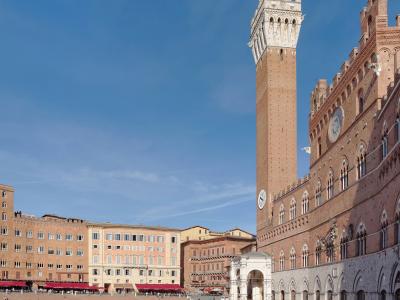
Palazzo Pubblico
Gothic palace housing Lorenzetti's frescoes
History & Heritage · Museums & Culture
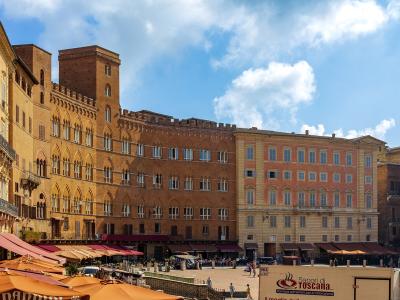
Piazza del Campo
Europe's greatest medieval scallop-shaped square
Free Historic Fountains · Historic Palaces
Pinacoteca Nazionale
Sienese art masterpieces in historic Palazzo Buonsignori
Museums & Culture
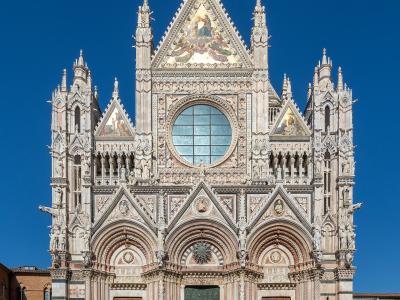
Siena Cathedral (Duomo di Siena)
UNESCO-listed Gothic cathedral with black-and-white marble
Architectural Monuments · Cultural Tours
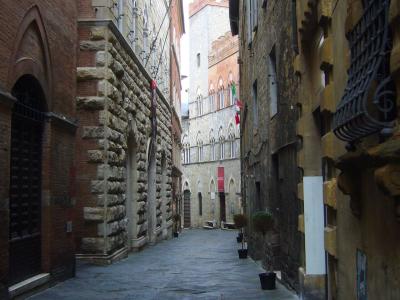
Strada di Città
Pedestrian thoroughfare connecting Piazza del Campo to th...
Cultural Tours · Historic Districts
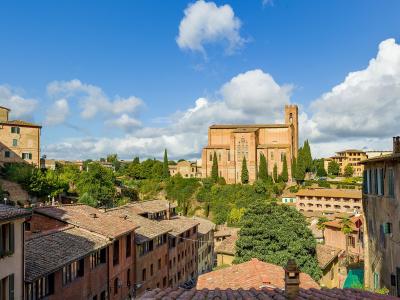
Basilica of San Domenico
Gothic basilica housing St. Catherine's head-relic
Architectural Monuments · Historic Churches
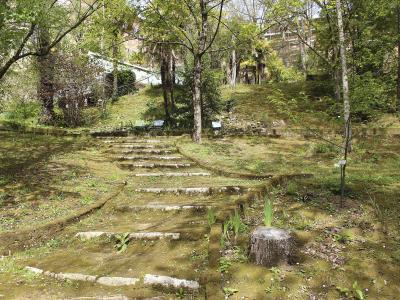
Orto Botanico dell'Università di Siena
University botanical garden on a hillside above Siena
Botanical Gardens · Educational Sites
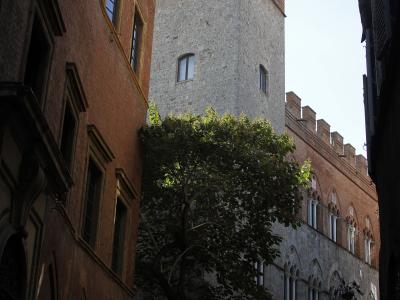
Palazzo Chigi Saracini
Gothic palace and music academy in Siena
Art Museums · Cultural Centers
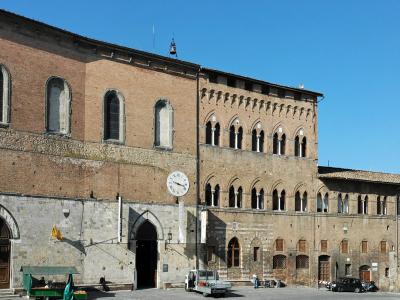
Santa Maria della Scala
Historic hospital complex housing major Sienese art colle...
History & Heritage · Museums & Culture
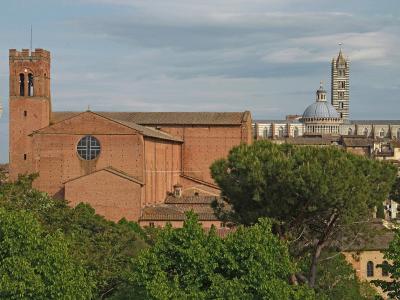
Torre del Mangia
87m medieval tower with panoramic Siena views
From €20 Architectural Monuments · Historic Palaces
Siena by interest
The same sights, grouped by what you came for.
Did you know?
Checked facts about Siena, each with its source.
-
Film & TV
James Bond's Palio Chase Was Filmed in Siena
Siena's Palio appears in the 2008 James Bond film "Quantum of Solace". A crew filmed the real horse race in Piazza del Campo with 14 cameras, and the production returned in May 2008 to shoot the foot chase that follows the film's opening car chase, through the Piazza del Campo and over the city's rooftops.
Source: Bond Locations; also The Florentine (2008) -
Sports
Siena's Palio Is Run Twice Every Summer
Siena's Palio horse race is held twice a year: on 2 July, the Palio of the Madonna of Provenzano, and on 16 August, the Palio of the Assumption. The horses run three laps of Piazza del Campo, the city's main medieval square, at the end of four days of festivities.
Source: Visit Tuscany (Regione Toscana official tourism)
Planning a visit to Siena
Good to know
- Currency
- EUR
- Language
- Italian
Quick Facts
Book your stay
Questions people ask
More places in Tuscany
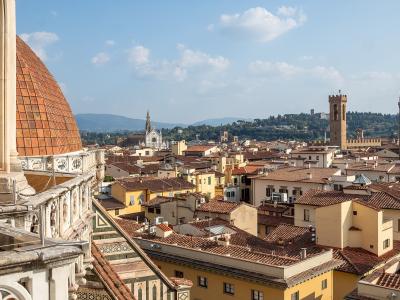
Tuscany
Florence
Birthplace of the Renaissance with iconic art and architecture
Tuscany
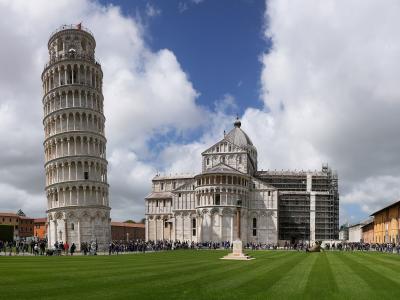
Pisa
Tuscan city famous for the Leaning Tower and medieval architecture
Tuscany
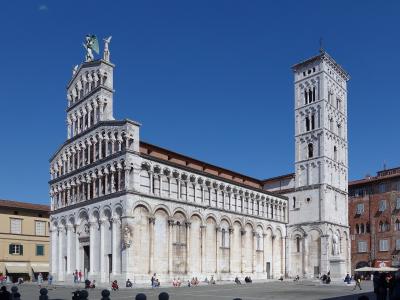
Lucca
Walled Tuscan city with intact ramparts, medieval towers, and relaxed vibe
Tuscany
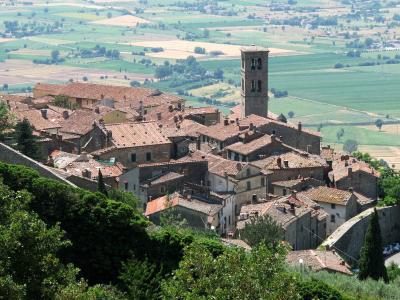
Cortona
Etruscan hill town in Tuscany with panoramic views of Valdichiana