
The Italian Ostello Landscape
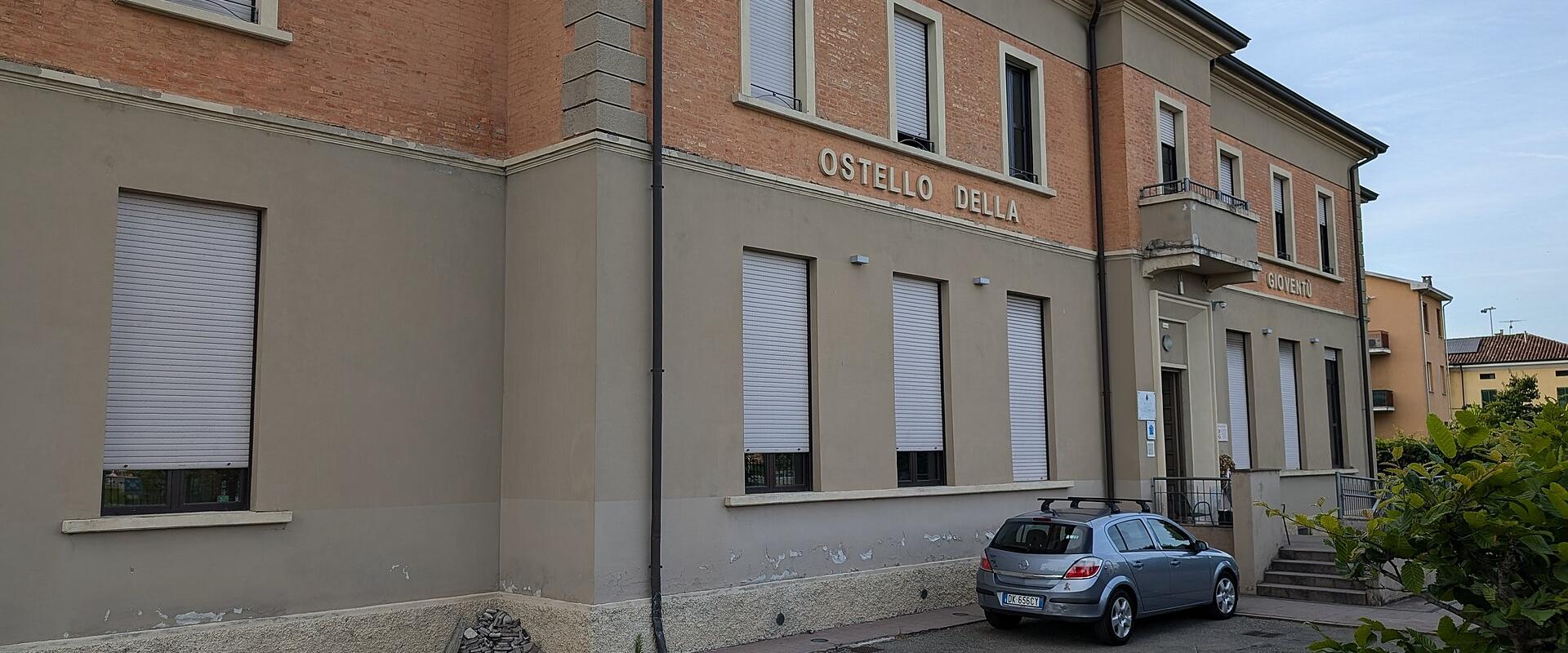
The Italian "ostello" differs significantly from Dutch models. Traditional hostels operate as non-profit entities. HI Italy manages this extensive network across the country. These facilities prioritize budget travelers and students. They offer basic amenities at low costs. Modern private chains have recently entered the market. Brands like Generator and St Christopher’s dominate urban centers. They operate in Rome, Florence, Venice, Naples, and Milan. These boutique hostels target younger, affluent backpackers. They provide hotel-style services and social atmospheres. Prices vary by city and season. Dorm beds typically range from €25 to €40 nightly. Private rooms cost significantly more in major hubs. The non-profit sector remains essential for strict budgets. Private chains offer enhanced comfort and location. Both types serve distinct traveler demographics effectively. Understanding this split helps travelers choose wisely. Budget-conscious visitors often prefer the HI network. Social travelers may favor private boutique options. This landscape defines the Italian hostel experience today.
City-Specific Accommodation Hubs
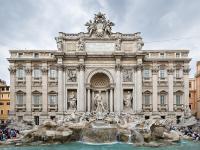
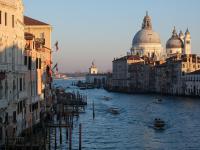
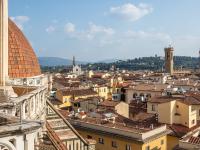
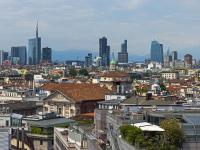
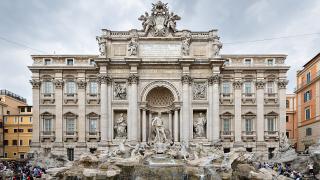
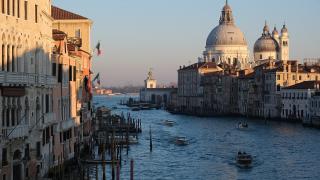
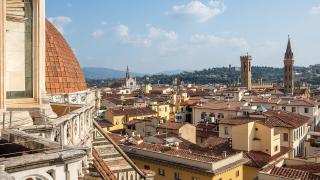
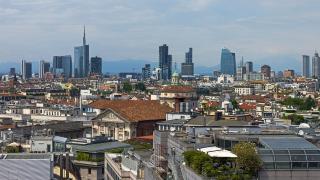
Rome hostels cluster near Termini for transit access. Trastevere offers a quieter, historic alternative. Florence centers are compact, reducing walking distances. The Oltrarno district provides a local atmosphere. Venice city center scarcity drives prices up. Mestre offers affordable alternatives across the lagoon. Milan Navigli hosts a vibrant social scene. The Centrale area prioritizes logistical convenience. Naples delivers the lowest accommodation costs. Safety considerations remain important in certain zones. Italian ostelli often operate as non-profits. HI Italy manages many traditional facilities. Private chains like Generator expand the market. Prices vary significantly by location and season. Rome and Venice command premium rates. Naples and smaller towns offer better value. Booking early is essential in peak months. Venice requires advance planning due to limited space. Milan’s Navigli attracts younger travelers seeking nightlife. Termini connects directly to major train lines. Florence’s center allows easy pedestrian exploration. Mestre requires a short train ride to Venice. Each city presents distinct logistical trade-offs. Budget travelers must weigh convenience against cost.
Cost Structures and Budget Realities
Italy hostel prices fluctuate significantly by season. Peak summer months in Rome or Venice command higher rates. Off-peak winter stays offer substantial discounts. City taxes apply separately in most municipalities. These fees range from €2 to €7 per night. They are mandatory and rarely included in base prices. Private chains like Generator or St Christopher’s set standard rates. HI Italy networks often provide competitive non-profit pricing. Budget travelers should expect €15 to €30 for dorm beds. This varies heavily by location. Southern cities generally cost less than northern hubs. Booking strategies matter for cost control. Reserve early for high-season travel in major tourist centers. Last-minute bookings rarely yield savings in popular areas. Consider pilgrim houses for the lowest possible rates. These options exist alongside traditional ostelli. Daily budgets of €50 to €70 cover basic needs. This includes hostel accommodation and simple meals. Avoid hidden costs by reading fine print. Confirm if city tax is included before booking. Always verify total costs upfront.
Modern private hostels like Generator offer co-working spaces. These facilities prioritize digital nomads and remote workers. Social activities include organized pub crawls and walking tours. St Christopher’s chains foster community through shared kitchens. Traditional HI Italy hostels provide basic, functional amenities. These non-profit options focus on affordability over luxury. Historic buildings often lack elevators in Italian cities. Guests must navigate steep stairs to reach dorms. Air conditioning is rare in older structures. This physical constraint affects comfort during summer heat. Quiet hours are strictly enforced in residential areas. Noise expectations differ from party-centric hostels elsewhere. The Italian ostello culture emphasizes respect and rest. Socializing occurs in common rooms rather than loud bars. Travelers should expect a quieter, more relaxed atmosphere. This approach aligns with local neighborhood norms. Budget travelers benefit from lower prices in these settings. However, they must accept limited modern conveniences. Planning ahead ensures a comfortable stay in historic centers.
Booking Strategies and Safety Tips
Book early for Rome, Florence, Venice, and Naples. Peak summer demand drives prices up significantly. HI Italy networks offer reliable, non-profit options. Private chains like Generator and St Christopher’s provide modern amenities. Read reviews carefully to gauge social atmosphere. Verify if the hostel suits your travel style. Safety requires using provided lockers for valuables. Italian hostels often lack 24-hour reception. Confirm check-in times to avoid delays. Long-stay discounts may apply for weekly bookings. Respect local quiet hours strictly. Noise complaints can lead to immediate eviction. Italy’s ostello culture differs from Dutch models. Traditional facilities prioritize community over partying. Keep noise levels low in shared dorms. Cleanliness standards vary by facility type. Always carry a copy of your passport. Use digital copies for backup identification. Italy imposes specific city taxes on stays. These fees are rarely included in online rates. Pay these separately upon arrival or departure. Budget €50-70 daily for total expenses. Hostel dorms remain the cheapest accommodation option. Pilgrim houses offer alternative, low-cost stays. Camping is viable in designated areas only. Respect Italian norms regarding public behavior. Loud conversations are frowned upon in residential zones. Maintain a respectful demeanor at all times.