







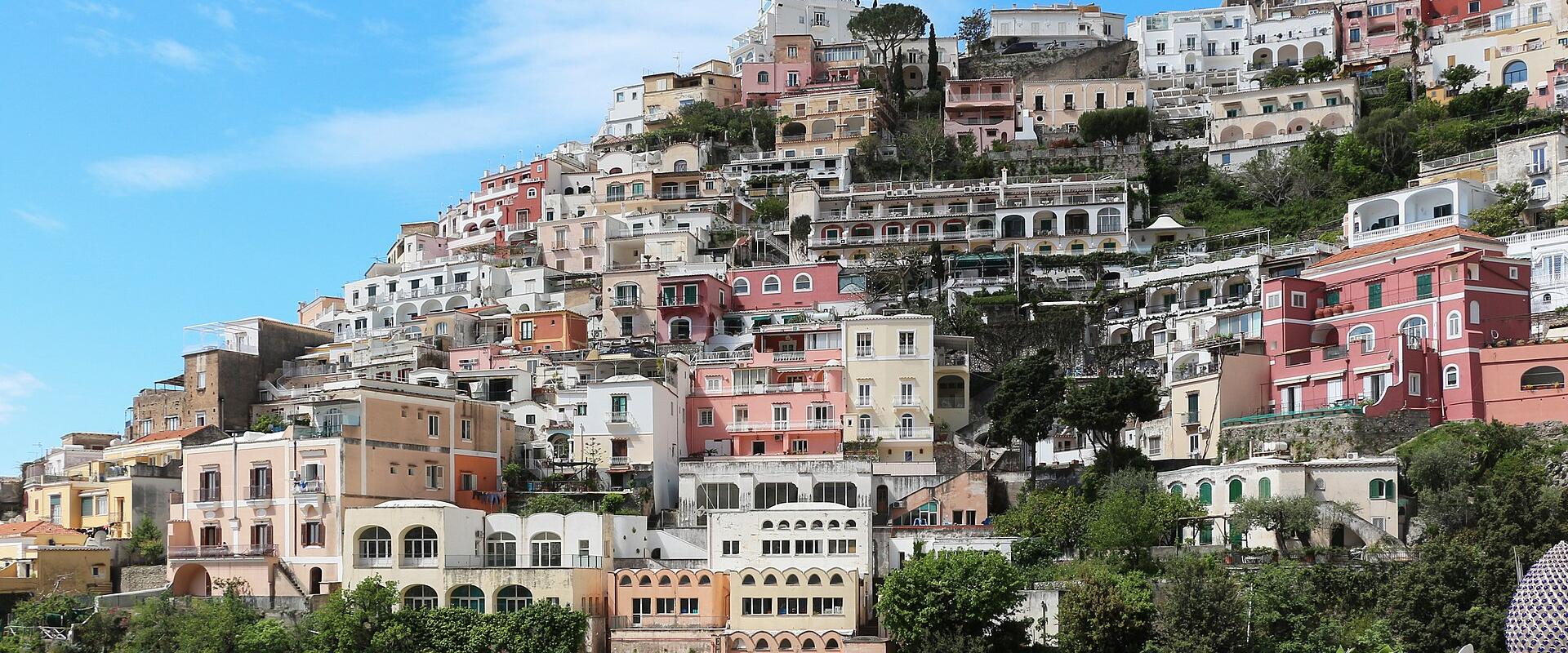
Positano
Iconic Amalfi Coast village with cascading pastel buildings and cliffs
Positano’s history is rooted in its role as a modest fishing port for centuries, and in medieval times it was part of the maritime Republic of Amalfi. Until the early 20th century the town was largely isolated, reached mainly by sea or by mule paths and steps cut into the mountains. The coastal road, the SS163, opened the village to the outside world, and in the 1950s and 1960s Positano gained international fame as a haven for artists, writers, and the international jet set. This era saw the development of boutiques and hotels, transforming the village into a symbol of Italian glamour; the local fashion trade, based on light linen clothes and hand-made sandals, dates from the same period. Despite this modernization, Positano has kept its character, with traditional architecture and local traditions still strong. The town’s layout, dictated by the steep terrain, creates a vertical community in which life unfolds on staircases and terraces overlooking the sea.
The main attractions are centred on the landscape and the coastline. The Spiaggia Grande, the main beach, about 400 metres long, is the social hub of the town, lined with coloured umbrellas and beach clubs, and the old fishing harbour at Marina Grande is now a place for seafood restaurants and boat rentals. Fornillo Beach, a short walk along the coast to the west, is the quieter second beach. The Path of the Gods (Sentiero degli Dei), which runs high above Positano and Praiano, is one of the finest hiking routes in Italy, with views of the coast and Capri. The Church of Santa Maria Assunta, in the upper part of the town, has a majolica-tiled dome and a Byzantine icon of the Black Madonna. The Via dei Mulini, a street lined with boutiques and cafes, leads down to the beach, and the Positano Artisan Workshops offer a view of local crafts, from sandals to ceramics. The surrounding cliffs provide opportunities for rock climbing and scenic walks.
Further along the coast, the Grotta dello Smeraldo (Emerald Grotto), a karst cave at Conca dei Marini, is reached by boat or by road and glows green when light enters under the water.
Activities in Positano include swimming, sunbathing, and exploring the town. Visitors can take boat tours to nearby islands such as Capri or along the coast to see small coves and grottos. Hiking trails give access to the inland hills, with views of lemon groves and olive orchards. Dining features fresh seafood and traditional Campanian cuisine, with many restaurants offering cliffside views. Shopping includes fashion boutiques, ceramics, and linen products. The town hosts cultural events and festivals through the year, celebrating its artistic heritage. For those interested in history, guided tours explain the town’s change from a fishing village to a luxury resort.
Getting to Positano is convenient by road and sea. The town is reached by car from Naples and Salerno via the SS163 Amalfi Coast road, though parking is limited and the road is narrow and winding. Public buses and ferries connect Positano to other towns along the coast, such as Amalfi and Sorrento. For those flying, the nearest airports are in Naples and Rome, and Naples is by far the closer.
The best time to visit Positano is from April to June or September to October, when the weather is mild and pleasant, ideal for outdoor activities and sightseeing. July and August are peak tourist months, with higher temperatures, larger crowds, and higher prices. Winter is mild but some services may be limited. Despite the seasonal variations, Positano’s natural beauty and vibrant atmosphere make it a rewarding destination year-round.
Best time to visit
Visit between April and June or September and October for mild temperatures and fewer crowds.
What to see in Positano
Our picks first.
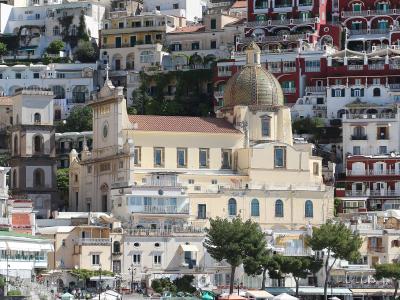
Church of Santa Maria Assunta
10th-century church with iconic majolica dome
Architectural Monuments · Historic Churches
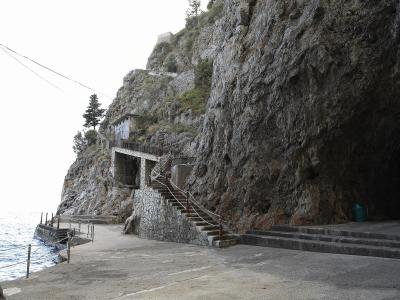
Grotta dello Smeraldo (Emerald Grotto)
Karst cave with emerald light reflections
Activities & Wellness · Coastal & Maritime
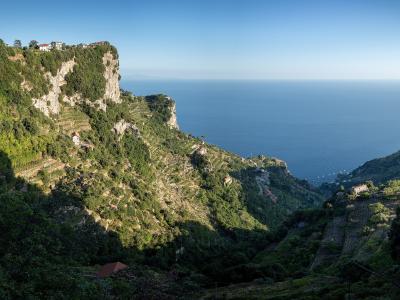
Path of the Gods (Sentiero degli Dei)
5.6km cliff-edge trail above Positano
Coastal Walks · Guided Hikes
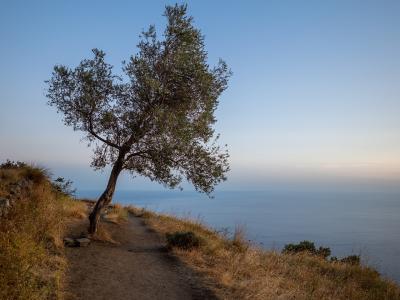
Sentiero degli Dei (Path of the Gods)
8-km cliffside trail 600m above Amalfi Coast
Coastal Walks · Hiking Trails
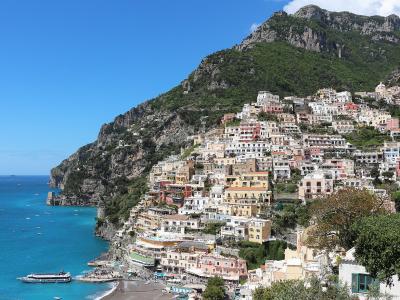
Via dei Mulini
Pedestrian-only main road through Positano
Free Historic Districts · Shopping Streets
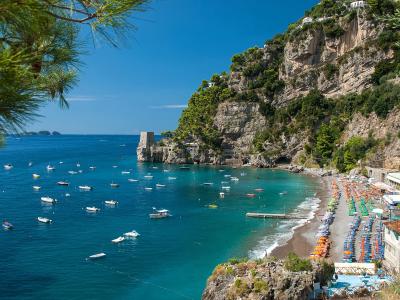
Fornillo Beach
Sheltered cove with calm waters near Positano
Beaches · Scenic Viewpoints
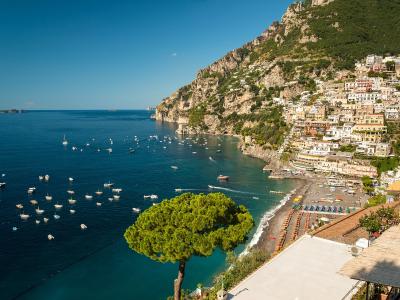
Spiaggia Grande
Positano's main 400m beach with cliffside amenities
Free Beaches · Boat Tours
Positano by interest
The same sights, grouped by what you came for.
Did you know?
Checked facts about Positano, each with its source.
-
Notable Person
Steinbeck's 1953 Essay Immortalized Positano
In May 1953, American novelist John Steinbeck published an essay about Positano in Harper's Bazaar, written after he drove from Rome to stay at Le Sirenuse — then a family summer house freshly converted into a hotel by the Sersale family. His verdict is still quoted everywhere from the hotel's own literature to travel magazines: "Positano bites deep. It is a dream place that isn't quite real when you are there and becomes beckoningly real after you have gone."
Source: Newsweek
Planning a visit to Positano
Itineraries that include Positano
Good to know
- Currency
- EUR
- Language
- Italian
Quick Facts
Book your stay
Questions people ask
More places in Campania and Amalfi Coast
Campania and Amalfi Coast
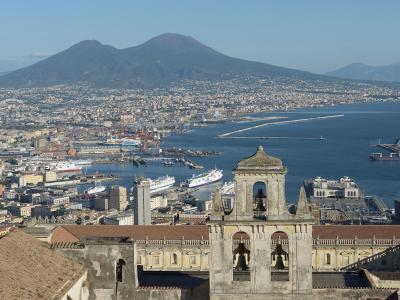
Naples
Vibrant Neapolitan city with UNESCO heritage, pizza origins, and Vesuvius views
Campania and Amalfi Coast
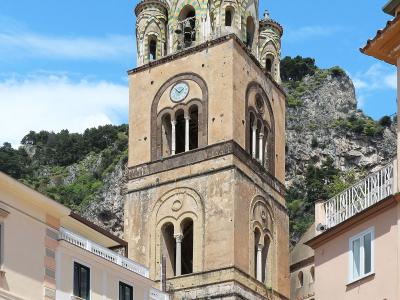
Amalfi
Historic maritime republic on the Amalfi Coast with dramatic cliffs
Campania and Amalfi Coast
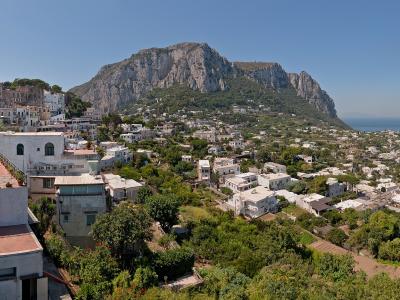
Capri
Iconic Italian island with Blue Grotto, dramatic cliffs, and luxury resorts
Campania and Amalfi Coast
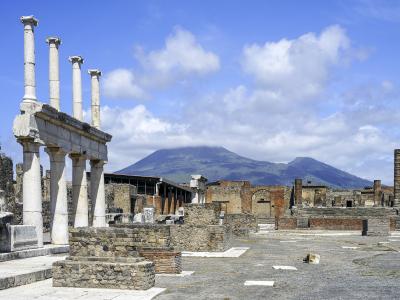
Pompeii
The Roman city buried by Vesuvius, and the pilgrimage town that grew beside it