







Florence
Birthplace of the Renaissance with iconic art and architecture
Florence, known as Firenze in Italian, is the capital of the Tuscany region and one of the most important cities in the history of Western art and culture. Located about 275 kilometres northwest of Rome, the city sits on the banks of the Arno River. Its rise as a centre of power began in the Middle Ages, when it became a wealthy republic on the strength of the wool trade and banking, particularly through the Medici family. Medici patronage fuelled the Renaissance, a period of cultural and artistic rebirth that began in Florence in the 14th century and spread across Europe. The era produced artists such as Leonardo da Vinci, Michelangelo, Botticelli, and Brunelleschi.
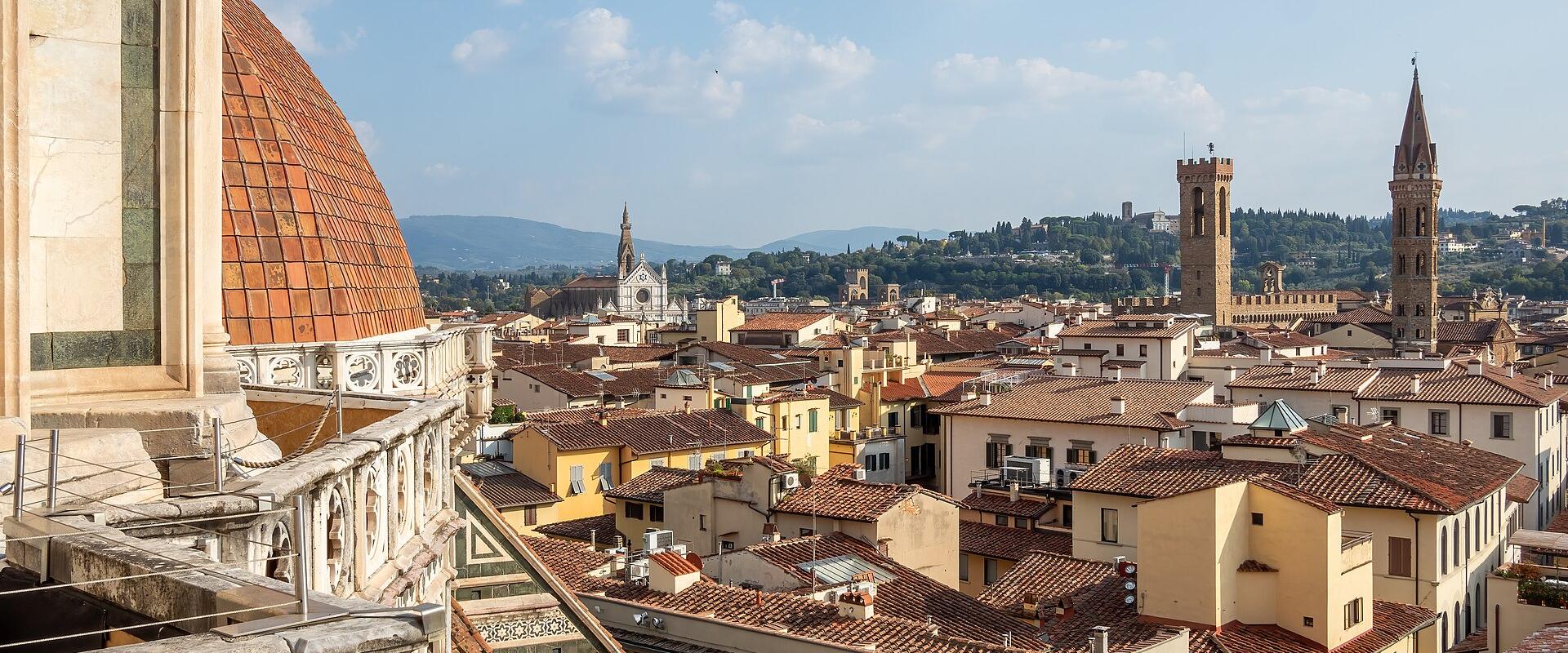
The architectural landscape is dominated by the Florence Cathedral (Duomo), formally the Cattedrale di Santa Maria del Fiore, with its massive red-tiled dome designed by Filippo Brunelleschi, a masterpiece of engineering. The adjacent Baptistery has bronze doors by Lorenzo Ghiberti, which Michelangelo reputedly admired as worthy of heaven, among the best-loved works of early Renaissance sculpture. The Uffizi Gallery, in a building designed by Giorgio Vasari and constructed between 1560 and 1580, houses an extensive collection of Renaissance masterpieces, including works by Botticelli, da Vinci, and Michelangelo. The Accademia Gallery is home to Michelangelo's original statue of David, a symbol of Florentine strength and artistic perfection.
Other significant attractions include the Palazzo Vecchio, the town hall of Florence, on the Piazza della Signoria, the political and artistic centre of the old republic, and the Ponte Vecchio, a medieval stone bridge lined with jewellery shops that spans the Arno. Across the river, the vast Palazzo Pitti (the Pitti Palace) and the Boboli Gardens behind it, among the most important examples of Italian Renaissance landscape design, offer a serene escape with terraces and sculptures. Santa Croce, a large Franciscan church, contains the tombs of famous Italians such as Galileo and Michelangelo. For a wide view of the whole city, climb to Piazzale Michelangelo, a terrace on the hill south of the centre, best at sunset.
Away from the headline sights, the Oltrarno rewards slow walking. Its workshops still produce furniture, leather goods, and bookbinding, and its squares fill with locals in the evening. In the San Lorenzo area, the Mercato Centrale combines a traditional food market with a modern food hall over two floors, a good place for lunch. Tuscan cooking is simple and meat-focused, with bread, beans, olive oil, and grilled steaks at the centre of it. The Teatro Comunale di Firenze has long been the city's venue for opera and symphonic music.
Activities in Florence include guided art tours, cooking classes featuring Tuscan cuisine, and day trips to the surrounding Chianti wine region. Booking tickets for the main galleries in advance is strongly advised, since walk-up queues in season can be long.
Getting to Florence is convenient through Florence Airport (FLR) or by train to Florence Santa Maria Novella station, which is well connected to major Italian cities such as Rome and Milan. The city centre is largely pedestrianized, making it easy to explore on foot, although the hills on the south bank can be steep.
The best time to visit Florence is from April to June and September to October. During these months the weather is mild and pleasant, with average temperatures from 15°C to 25°C, ideal for sightseeing and outdoor activities. Summer months can be extremely hot and crowded, while winter is cooler and wetter, though it offers a quieter experience. Avoiding peak summer allows a more comfortable exploration of the city's museums and streets.
Best time to visit
Visit in April to June or September to October for mild weather and fewer crowds.
What to see in Florence
Our picks first.
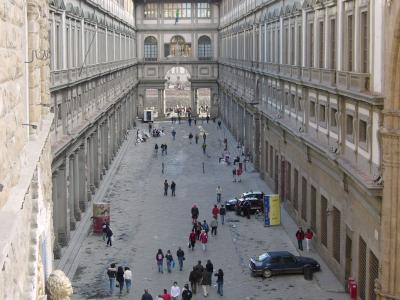
Uffizi Gallery
Renaissance art museum in Giorgio Vasari's building
History & Heritage · Museums & Culture
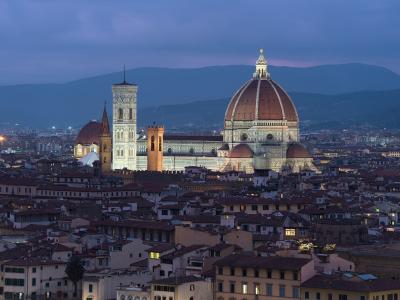
Florence Cathedral (Duomo)
Renaissance cathedral with Brunelleschi's dome
Architectural Monuments · Cultural Tours
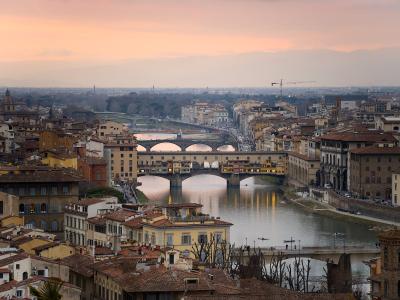
Ponte Vecchio
14th-century bridge lined with historic goldsmith shops
Historic Bridges · Scenic Viewpoints
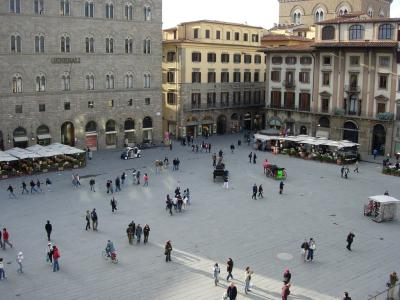
Piazza della Signoria
Renaissance square with open-air sculpture museum
Historic Palaces · Public Statues
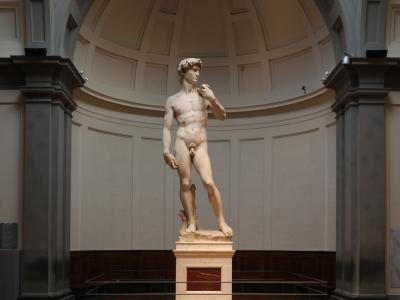
Galleria dell'Accademia
Home of Michelangelo's David
History & Heritage · Museums & Culture
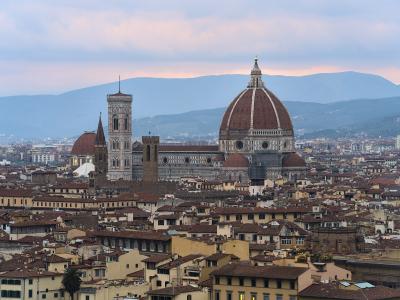
Piazzale Michelangelo
1869 terrace with panoramic views of Florence
Scenic Viewpoints · Sunset Views
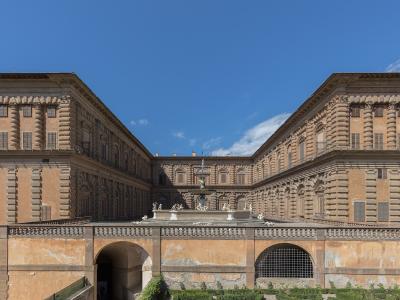
Palazzo Pitti
Medici palace in the Oltrarno with several museums and the Boboli Gardens
From €16 Art Museums · Botanical Gardens
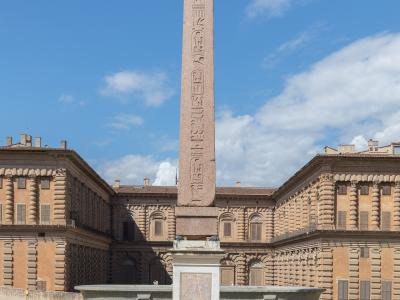
Boboli Gardens
Renaissance gardens with fountains and statues
Botanical Gardens · Historic Fountains
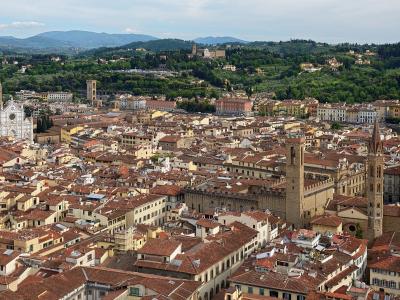
Basilica of Santa Croce
Gothic basilica housing tombs of Michelangelo and Galileo
History & Heritage · Museums & Culture
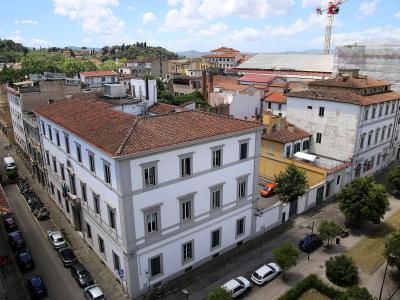
Teatro Comunale di Firenze
Historic 1862 opera house, former home of Maggio Musicale...
History & Heritage · Museums & Culture
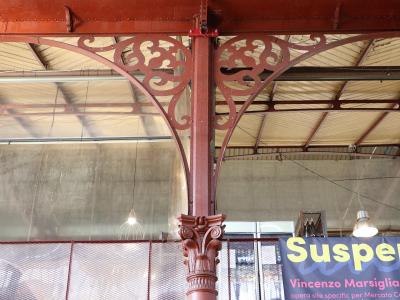
Mercato Centrale
1874 cast-iron market with historic stalls and modern foo...
Free Food & Gastronomy · Architectural Monuments
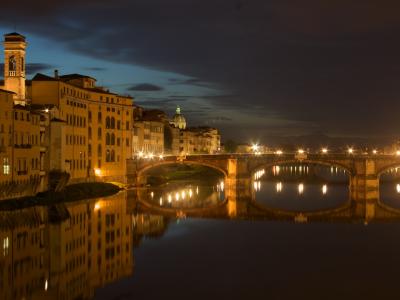
Oltrarno District
Chic left bank district of artisan workshops and historic...
Art Museums · Artisan Workshops
Florence by interest
The same sights, grouped by what you came for.
Did you know?
Checked facts about Florence, each with its source.
-
Film & TV
Hannibal (2001) Filmed at the Real Palazzo Vecchio
Ridley Scott's thriller 'Hannibal' (2001) brought Anthony Hopkins' Dr. Lecter to Florence, with Piazza della Signoria and the Palazzo Vecchio featuring prominently. The scene in which Inspector Pazzi is hanged from the palazzo was shot on the building's real exterior, while the interior was recreated in a warehouse outside the city.
Source: The Worldwide Guide to Movie Locations (movie-locations.com)
Planning a visit to Florence
Itineraries that include Florence
Good to know
- Currency
- EUR
- Language
- Italian
Quick Facts
Book your stay
Questions people ask
More places in Tuscany
Tuscany
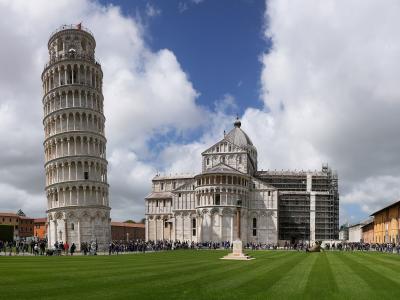
Pisa
Tuscan city famous for the Leaning Tower and medieval architecture
Tuscany
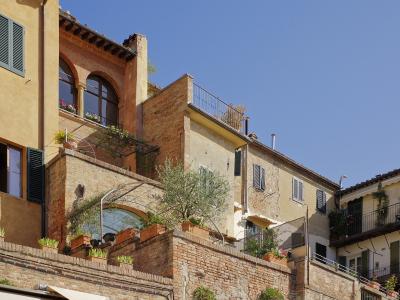
Siena
UNESCO-listed medieval city in Tuscany known for the Palio horse race
Tuscany
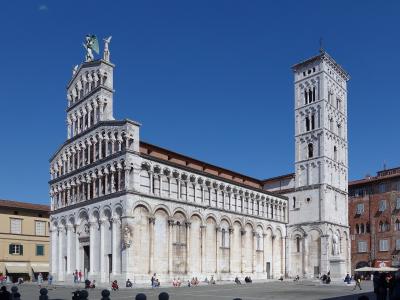
Lucca
Walled Tuscan city with intact ramparts, medieval towers, and relaxed vibe
Tuscany
Cortona
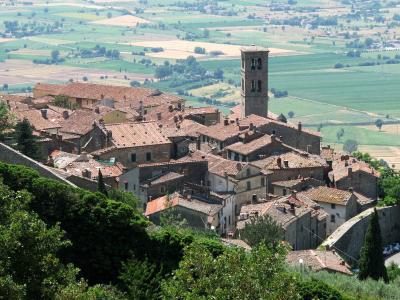
Etruscan hill town in Tuscany with panoramic views of Valdichiana