


The Italian Apartment Landscape
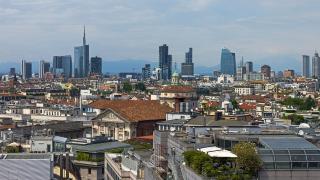
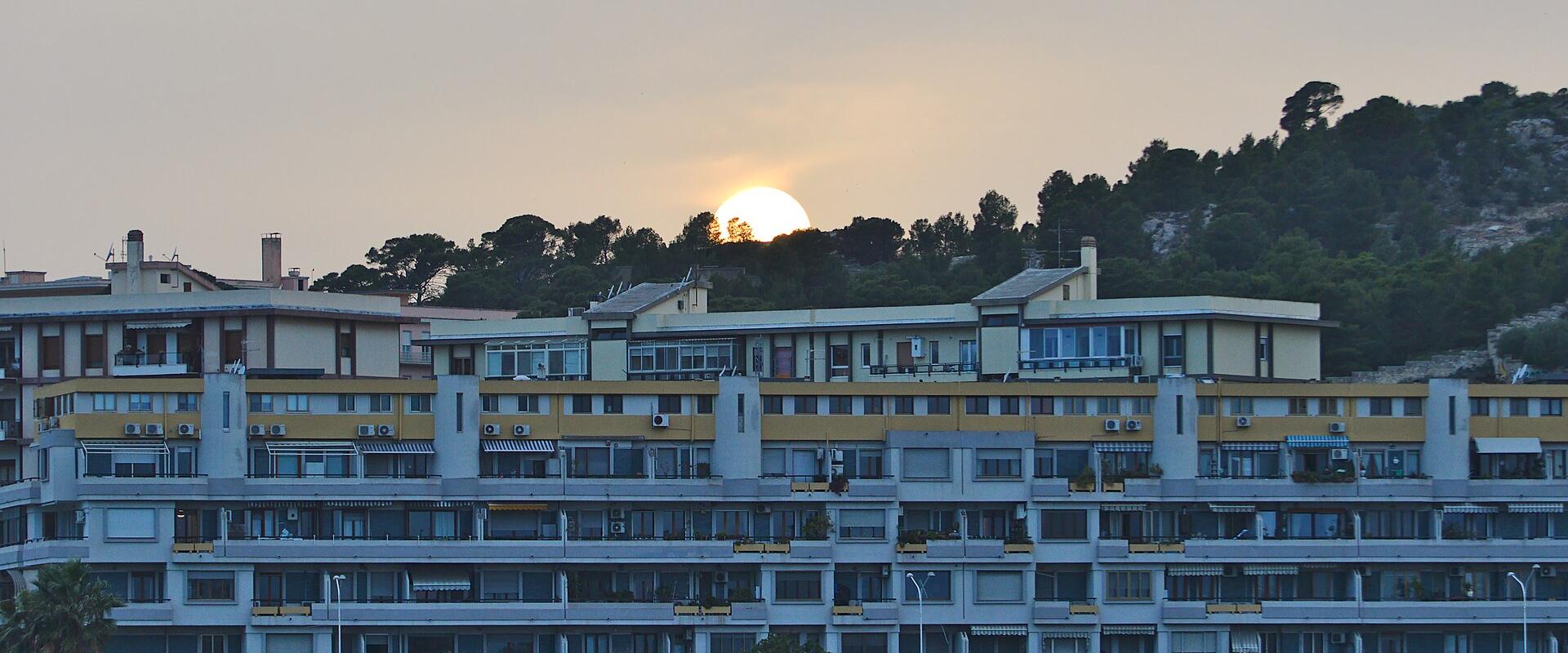
Italian apartments, or appartamenti, are distinct urban dwellings. They integrate into historic architecture rather than standalone structures. Zoning laws (piani regolatori) strictly govern building heights and densities. Expats must navigate complex lease contracts (contratti di locazione). Local portals like Idealista dominate the rental market. Terminology varies by region, requiring careful translation. Cultural immersion occurs through shared building amenities. Courtyards (cortili) often serve as communal spaces. Regulations protect tenants from sudden eviction. Understanding these laws is essential for stability. Apartments reflect Italy’s dense urban planning history. Modern units blend with traditional facades. This integration preserves architectural heritage. Renters engage directly with local communities. The environment fosters daily social interaction. Legal frameworks ensure housing security. This structure defines the Italian living experience.
Urban Studios vs. Rural Retreats
Urban apartments in Italy prioritize location over space. Milan and Rome offer compact studios near transit hubs. These units often lack elevators in historic buildings. Access requires navigating narrow stairwells. Rural retreats provide significantly more square footage. Properties in Tuscany or Umbria feature separate living areas. Amenities include private gardens or terraces. However, rural locations demand car ownership. Public transport remains sparse outside major towns. Pricing reflects this geographic divide. City center studios command premium rates per square meter. Rural homes offer lower nightly costs for longer stays. This difference impacts itinerary planning significantly. Urban stays suit short, transit-focused trips. Rural retreats require multi-day bookings to justify travel time. Expats note complex lease contracts in cities. Rural rentals often involve private landlords directly. Understanding local terminology helps navigate both markets. Urban units suit business travelers. Rural homes appeal to families seeking space. Both options require checking specific building regulations. Historic centers often restrict renovations. Rural properties may lack modern insulation. Verify heating systems before booking. Urban noise levels vary by district. Rural silence offers distinct advantages. Choose based on transport needs and budget constraints.
Italy distinguishes between international platforms and local management. Major sites like Airbnb operate alongside regional portals. These local sites often feature direct landlord listings. This approach bypasses high commission fees. Hosts must register properties with the Anagrafe Turistica. This national registry ensures legal compliance. Unregistered units face significant fines. Tourists must pay the tassa di soggiorno. This local tax varies by municipality. Rates depend on the apartment’s star rating. Payment occurs upon arrival at the property. Hosts collect this fee directly. Guests should verify registration numbers before booking. Valid numbers confirm legal status. Reviews provide insight into actual conditions. Many historic buildings lack elevators. Verify accessibility needs in advance. Check for condominio fees in long-term leases. These cover shared maintenance costs. Short-term rentals require specific insurance. Standard policies often exclude commercial use. Ensure your coverage matches the rental type. Legal compliance protects both parties. Ignorance of local laws offers no defense. Always request proof of registration. This step prevents unexpected eviction. It also guarantees tax receipt validity. Use these checks for secure stays.
Amenities and Household Etiquette
Most Italian apartments lack elevators. Historic buildings often require climbing multiple flights of stairs. This impacts accessibility for heavy luggage. Kitchens are compact and functional. They rarely include full-sized appliances. Basic cookware and utensils are standard. Guests must manage waste carefully. Italy enforces strict recycling protocols. Separate bins exist for paper, plastic, and glass. Incorrect sorting incurs fines. Noise regulations are rigid. Quiet hours typically run from 10 PM to 7 AM. Loud music or shouting is prohibited. Neighbors value peace and privacy. Check-in procedures are often formal. Landlords may require in-person meetings. Keys are handed over directly. Check-out times are strict. Late departures may result in extra charges. Understanding these rules ensures a smooth stay. Compliance respects local community standards.
Cleaning fees vary significantly by region and property size. Urban centers like Milan often charge higher rates than rural areas. Tourist taxes apply to short-term rentals. These fees depend on the municipality and season. You must pay these separately upon arrival. Security deposits are standard for long-term leases. Landlords typically require one to two months' rent upfront. Utility costs are rarely included in the base price. You must set up separate contracts for electricity and gas. Water charges may be included or billed individually. Transportation costs increase if the apartment is remote. Rural locations require personal vehicles for daily needs. Public transit access is limited in these zones. Budget extra for fuel and parking permits. Parking spaces are scarce in historic city centers. You may need to pay for designated zones. Always verify total costs before signing any agreement. Hidden fees can drastically increase your monthly budget.