Trieste
Habsburg port city with Central European cafes, castle, and Adriatic views
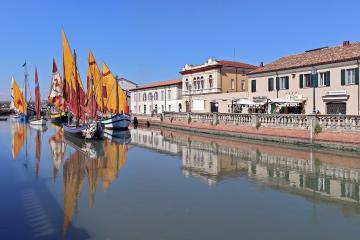
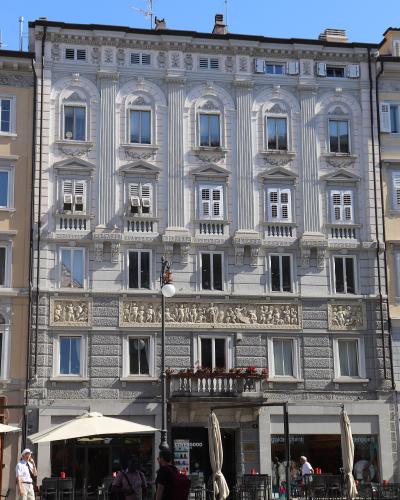
Trieste’s history is deeply rooted in its strategic location as a port. Originally an Illyrian settlement, it was conquered by the Romans and became a significant trading hub. In the Middle Ages, it came under the influence of the Patriarchate of Aquileia and later the Republic of Venice. In 1382, Trieste submitted to the Habsburg Monarchy, becoming a free port and one of the most important commercial centers in Europe. This period saw the construction of many of the city’s iconic buildings, including palaces, theaters, and cafes, reflecting its cosmopolitan character. The city was a melting pot of Italian, German, Slovene, and Jewish cultures. After World War I, Trieste became part of Italy, but it remained a border city until the end of World War II, when it was designated a Free Territory. It finally joined Italy in 1954. Today, Trieste preserves its historic center, with narrow streets, grand piazzas, and architecture that reflects its layered past as a Habsburg port and Italian city.
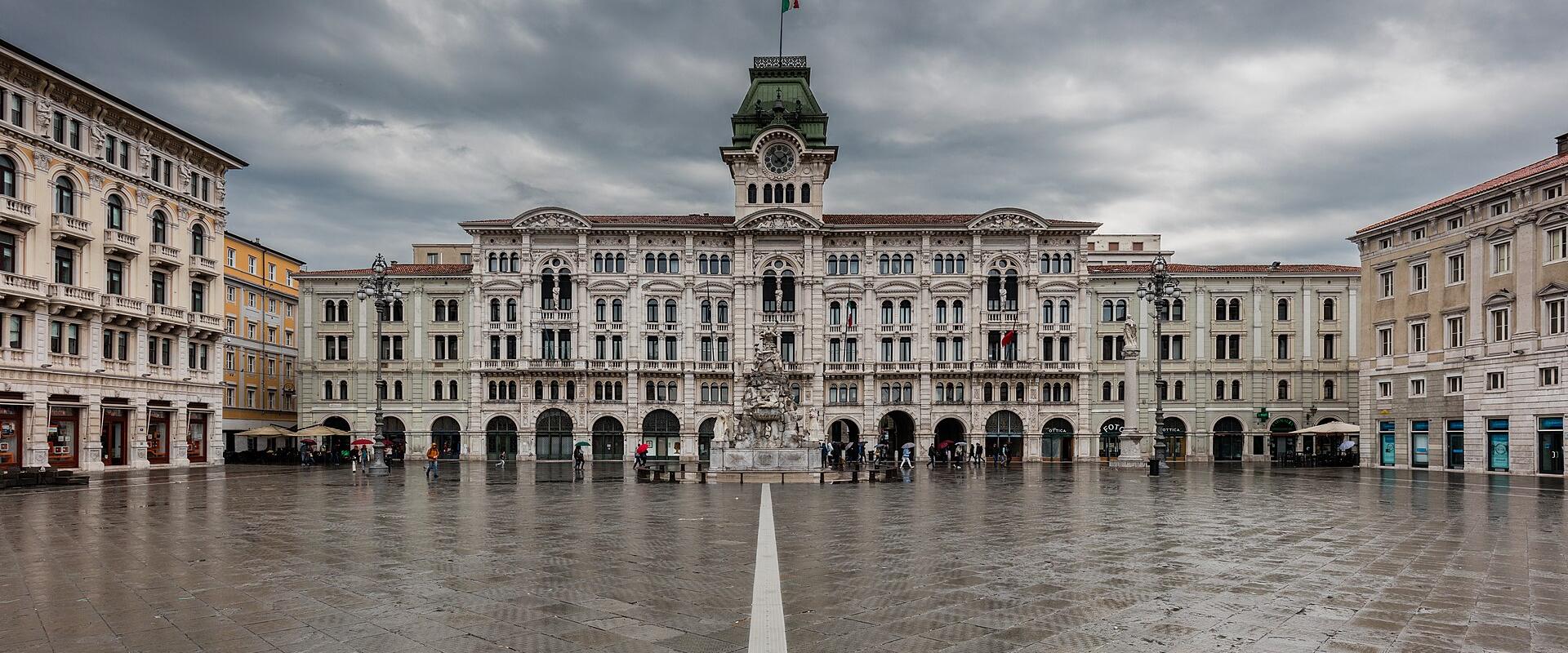
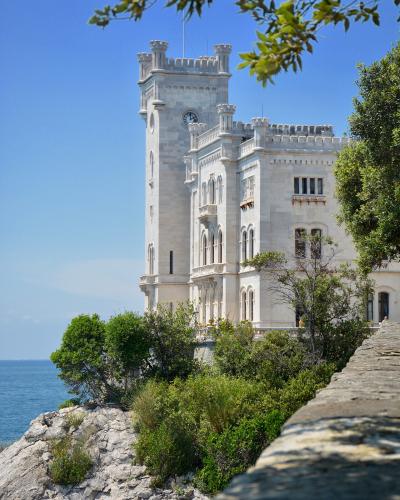
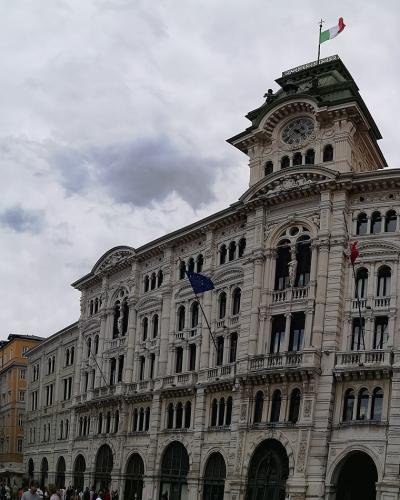
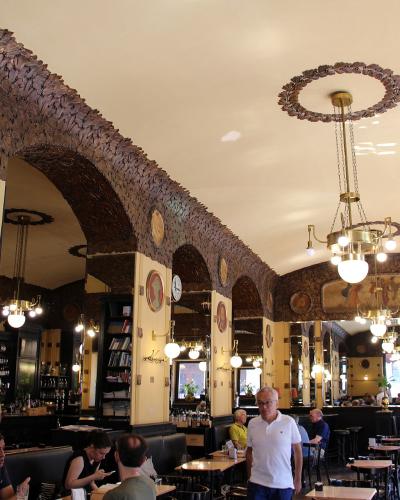
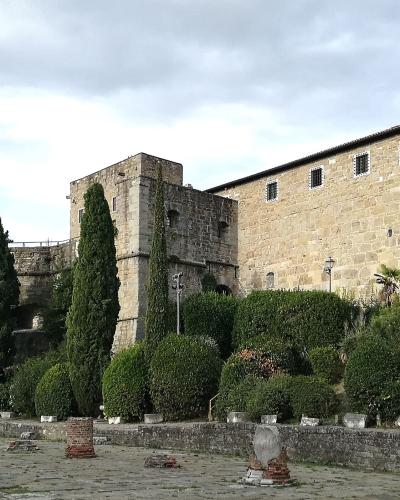
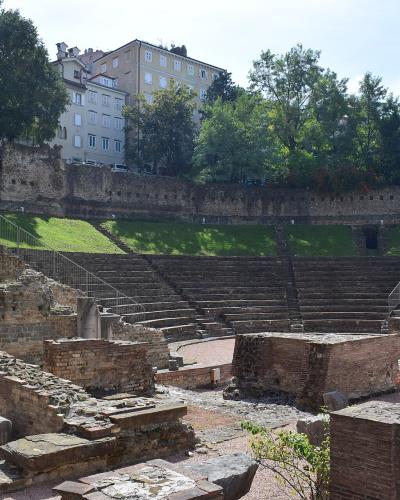
The main attractions in Trieste are centered around its historic center and coastal views. Piazza Unità d'Italia is the largest seaside square in Europe, surrounded by elegant Habsburg-era buildings, including the Town Hall and the Miramare Castle. The Miramare Castle, located on a peninsula, is a 19th-century residence of Archduke Ferdinand Maximilian and Empress Carlotta, offering stunning views of the sea. The Roman Amphitheater, partially excavated, is a remnant of the city’s ancient past. The Synagogue of Trieste, one of the largest in Europe, reflects the city’s significant Jewish heritage. The Castello di San Giusto, perched on a hill, offers panoramic views of the city and the gulf. The city is also famous for its coffee culture, with historic cafes like Caffè San Marco and Caffè Tommaseo serving as meeting places for writers and intellectuals.
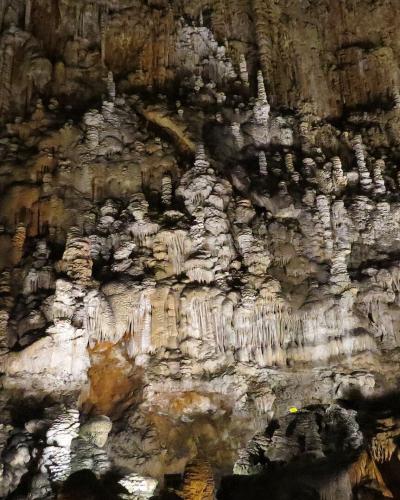
Activities in Trieste include exploring the historic center, visiting museums, and enjoying the local cuisine. The city is known for its traditional Friulian and Habsburg-influenced dishes, including prosciutto, polenta, and seafood. Visitors can take guided tours to learn about the city’s history and its role in the Austro-Hungarian Empire. The nearby Karst plateau offers opportunities for hiking and exploring caves, such as the Grotta Gigante. Trieste also hosts various festivals and events throughout the year, including the Trieste Film Festival and the San Giusto Castle Festival. Shopping includes local ceramics, textiles, and food products. For those interested in history, guided tours are available to explore the Roman, Habsburg, and Jewish heritage of the city.
Getting to Trieste is convenient via rail and road. The city is well-connected by train from Venice, with frequent services taking approximately 2.5 hours. For those traveling by car, the A4 motorway provides easy access from Venice and Udine. The nearest airport is Trieste Airport, located about 15 kilometers from the city center. The best time to visit Trieste is from April to June or September to October, when the weather is mild and pleasant, ideal for exploring the outdoor attractions and historic sites. July and August are peak tourist months, with higher temperatures and larger crowds. Winter is cool but offers a quieter experience, with the city’s museums and cafes providing cultural entertainment. Despite the seasonal variations, Trieste’s rich history and cultural blend make it a rewarding destination year-round.
Best Time to Visit
Visit between April and June or September and October for mild temperatures and fewer crowds.
Did you know?
Interesting, verified facts about Trieste
Trieste Has a Second Local Claim
HistoryIt serves as a unique tourism destination where Italian passion meets Central European elegance, a legacy of its long history as a major port of the Austro-Hungarian Empire.
Source: 18 Things to Know Before You Go to Trieste - Roads & KingdomsPlan Your Visit to Trieste
Essential travel tips and information for your trip to Trieste.
Suggested Itineraries
Travel Tips
Currency
EUR • Cards widely accepted
Language
Italian • English in tourist areas
WiFi
Free WiFi in cafes and hotels
Explore Trieste by Interest
Discover attractions and experiences in Trieste organized by your interests and travel preferences.
All attractions in Trieste
Sorted by our recommendation score
Quick Facts
Book your stay
Frequently Asked Questions
More destinations in Friuli Venezia Giulia
Explore other amazing places in the Friuli Venezia Giulia region