







- Where
- Trieste, Friuli Venezia Giulia
- Directions
- Directions
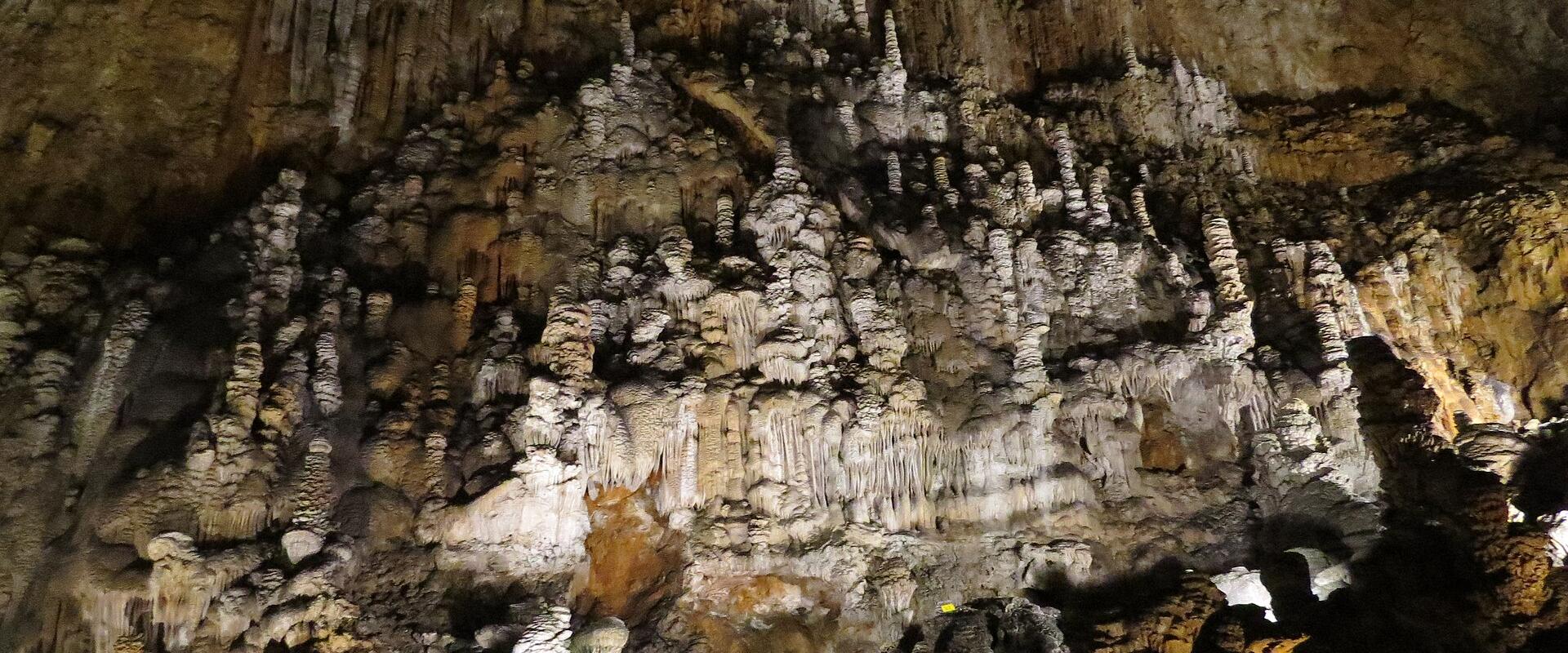
Grotta Gigante is a spectacular show cave near Trieste, Italy, approximately 20 minutes by car or 30 minutes by bus from the city center, on the limestone plateau of the Karst, in the village of Sgonico. It is situated close to the highway connecting Venice to Slovenia and Croatia, just 5 minutes from the Sgonico or Prosecco exits. The cave is the only show cave on Italian land located in the Karst region and features the largest natural hall inside in Europe. The main chamber measures 98.5 meters high, 76 meters wide and 167 meters long, offering visitors an overwhelming sense of scale and geological wonder. The hall is so big that St. Peter’s Basilica in Rome could fit inside it, a comparison often used by guides, and it has been recorded in the Guinness book of records as the largest tourist cave in the world.
The Karst plateau is a famous landscape of limestone, in which water has dissolved the rock for millions of years to create sinkholes, caves, underground rivers and dry valleys, and the word karst itself, for this type of terrain, comes from this region. The Grotta Gigante was formed by the action of an underground river that carved out the hall, and later the river changed its course, leaving the cavern dry. The cave was known to local people for a long time, but it was explored in the 19th century by speleologists, and it was opened to the public in the early 20th century, when a path and steps were built to allow visitors to enter.
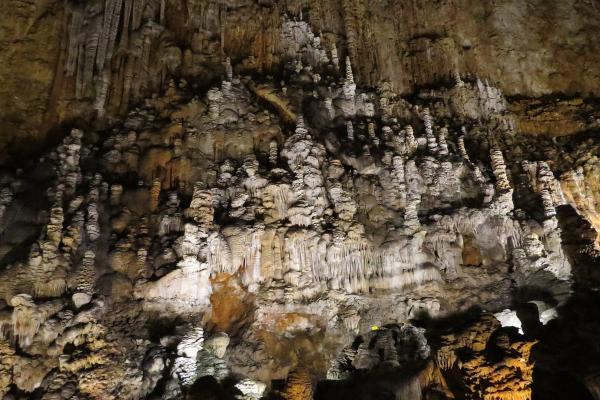
A visit follows a path through the cave, down a long stairway of several hundred steps into the great hall, past a forest of stalagmites and stalactites, some of them very tall, in formations of different forms and colors. Lighting picks out the shapes against the dark walls and the vast spaces. The temperature is cool and fairly constant throughout the year, about 11 degrees Celsius, and the air is damp, so visitors are advised to bring a jacket, even in summer, and to wear comfortable shoes suitable for walking on uneven and damp surfaces. The visit takes about an hour, and the climb back up is demanding for some, so a reasonable level of fitness is needed.
The cave is a vital laboratory for geologists and researchers who use its unique environment to study the planet. Inside the hall hang very long pendulums, instruments installed in the 1950s that measure tiny movements of the earth’s crust, the tides of the solid earth and seismic activity, which are among the oldest in Europe and are still used by scientists. A small speleological museum at the site tells the story of cave exploration. The cave has become a beacon of tourism in the region, a proud symbol of the local landscape and the resilience of the community.
Exploring Grotta Gigante offers insight into the geological heritage of Friuli-Venezia Giulia. It is an essential stop to appreciate the region’s natural legacy. The combination of geological significance and scenic beauty makes it a memorable destination. It complements visits to other landmarks in Trieste, such as the historic center and the Miramare Castle, providing a view of the area’s identity, and the surrounding Karst villages, with their stone houses and osmize, farm taverns selling wine and cured meats, are a pleasant addition. It is advisable to check local tourism resources for current schedules and ticket prices.
Categories
More photos coming soon
Nearby Attractions
Other places to visit in Trieste
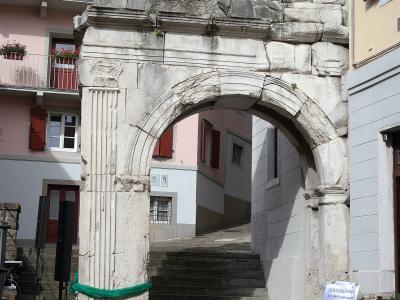
Arco di Riccardo
1st-century Roman arch in Trieste's old town lanes
Ancient Ruins · Historic Districts
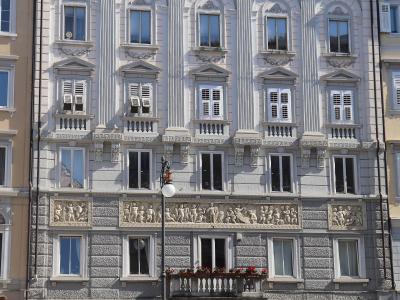
Borgo Teresiano
Habsburg-era merchant quarter with canals
Architectural Monuments · Harbor Views
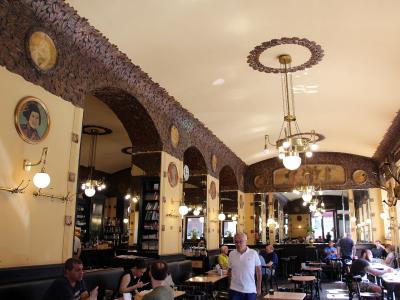
Caffè San Marco
1914 Viennese Secession café, James Joyce hub
Food & Gastronomy · History & Heritage
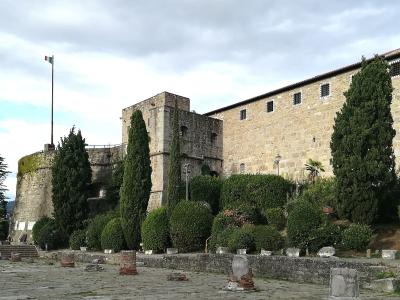
Castello di San Giusto
Medieval fortress housing a civic museum in Trieste
Archaeological Museums · Castles & Fortresses
Questions people ask
Quick Facts
Best Time to Visit
Visit between April and June or September and October for mild temperatures and fewer crowds.