







- Admission
- Free entry
- Where
- Trieste, Friuli Venezia Giulia
- Directions
- Directions
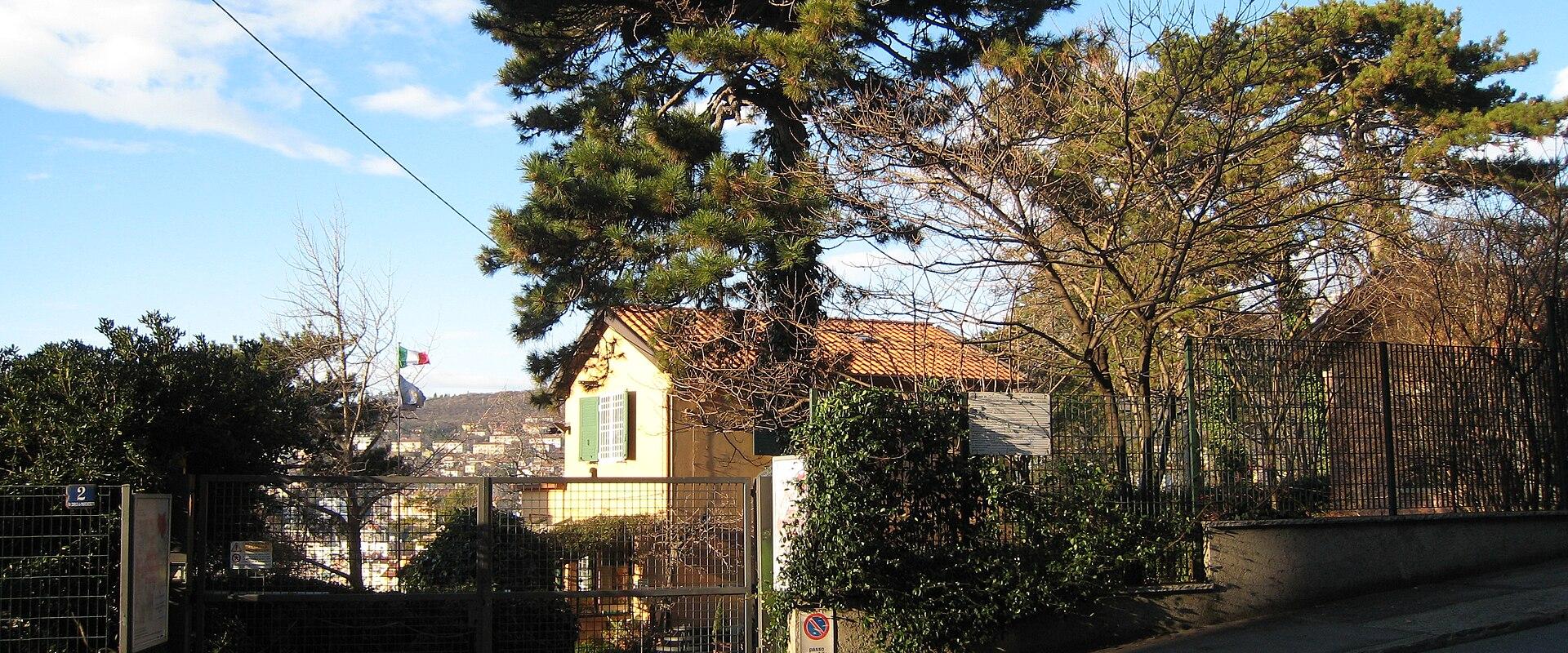
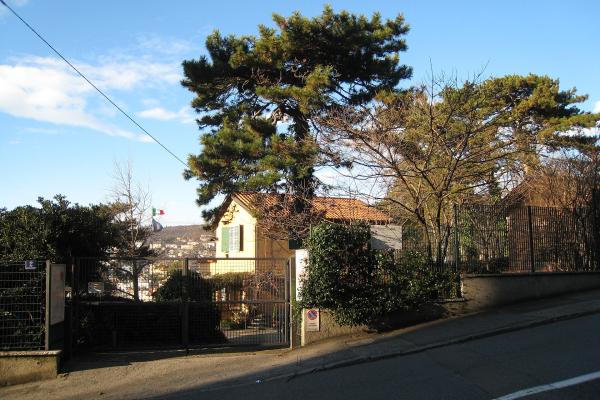
The Civico Orto Botanico di Trieste is the municipal botanical garden of Trieste, a small, quiet garden on the slope of the Chiadino hill, on the edge of the city, at Via Carlo De Marchesetti 2, and it is a green refuge away from the busy streets of the centre. It was founded on 5 April 1878 by Muzio de Tommasini, a Triestine botanist and politician who served as the city’s mayor and who spent his life studying the plants of the region, and by Bartolomeo Biasoletto, a pharmacist and botanist who also took part in the study of the flora of the Adriatic. The garden began as a place for studying and cultivating the plants of the Karst, the limestone plateau behind Trieste, and the Adriatic coast, as well as for educating the public in botany, and in this role, it has continued for more than a century. A path through the nearby woodland, Bosco Biasoletto, named for the botanist, leads to the garden.
The garden is organised into twelve distinct zones, which show different habitats and groups of plants, with winding paths, ponds and shady corners. Trieste lies at a meeting point of climates and landscapes, with the Alps, the Karst and the sea within a short distance, and the plants reflect this variety. Visitors can see Mediterranean species, plants of the dry rocky Karst, woodland species, aquatic plants in the ponds, and cultivated collections of useful and medicinal plants. Spring, when the Karst flowers bloom, and early summer are the most colourful, and in autumn, the leaves of the trees turn colour. In some places, there are occasional views of the sea through the trees, which add to the pleasure of the visit.
It is a small municipal garden, so a visit takes only an hour or so, and it is more of a quiet retreat than a major attraction. The garden has an educational role, with signs that name the plants and educational areas where children and school groups can learn about nature. It is a good place to sit on a bench and read, or watch the birds, and for botany lovers, it is a useful introduction to the flora of the region. Admission is free, and guided tours and educational activities are organised by CoopCulture, with an entrance via Scala San Luigi that is accessible to people with motor difficulties. The garden is open on National Holidays even in winter.
Opening hours vary through the year and are limited. In the summer season, from April to the middle of October, the garden has been open on certain days of the week in the morning, while in the winter season, it has been mostly closed, except on national holidays, so it is essential to check the current arrangements with the city before visiting. The garden can be reached by bus, on lines 25, 26 and 26/, or on foot through the Bosco Biasoletto, a pleasant walk. In Trieste, the main sights, among them the Piazza Unità d’Italia, the Borgo Teresiano, the Caffè San Marco, the Castello di San Giusto, the Cattedrale di San Giusto, the Teatro Romano, the Ponte Rosso, the Museo Revoltella, Miramare Castle and the Grotta Gigante, are in other parts of the city. The garden suits plant lovers and those who want a calm break.
Categories
More photos coming soon
Admission Fees
- Admission
- Free entry
Hours and prices change, especially out of season. Check with the venue before you go.
Nearby Attractions
Other places to visit in Trieste
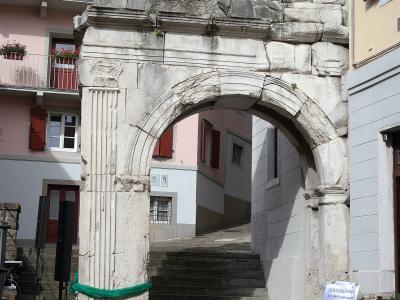
Arco di Riccardo
1st-century Roman arch in Trieste's old town lanes
Ancient Ruins · Historic Districts
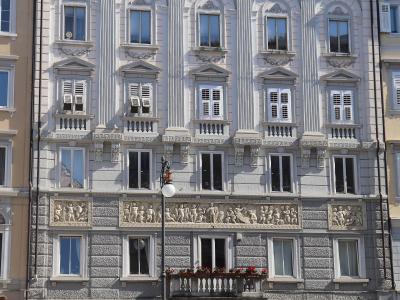
Borgo Teresiano
Habsburg-era merchant quarter with canals
Architectural Monuments · Harbor Views
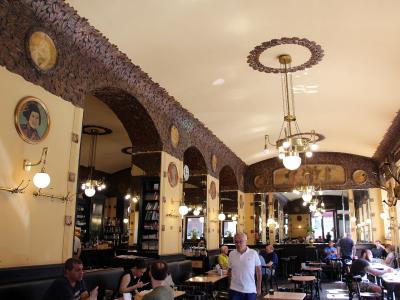
Caffè San Marco
1914 Viennese Secession café, James Joyce hub
Food & Gastronomy · History & Heritage
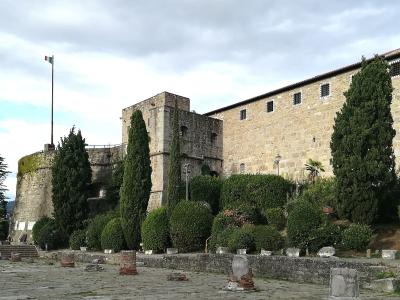
Castello di San Giusto
Medieval fortress housing a civic museum in Trieste
Archaeological Museums · Castles & Fortresses
Questions people ask
Quick Facts
Best Time to Visit
Visit between April and June or September and October for mild temperatures and fewer crowds.